AI summarized the main points
AI-generated summary. Please refer to the full article for precise details.
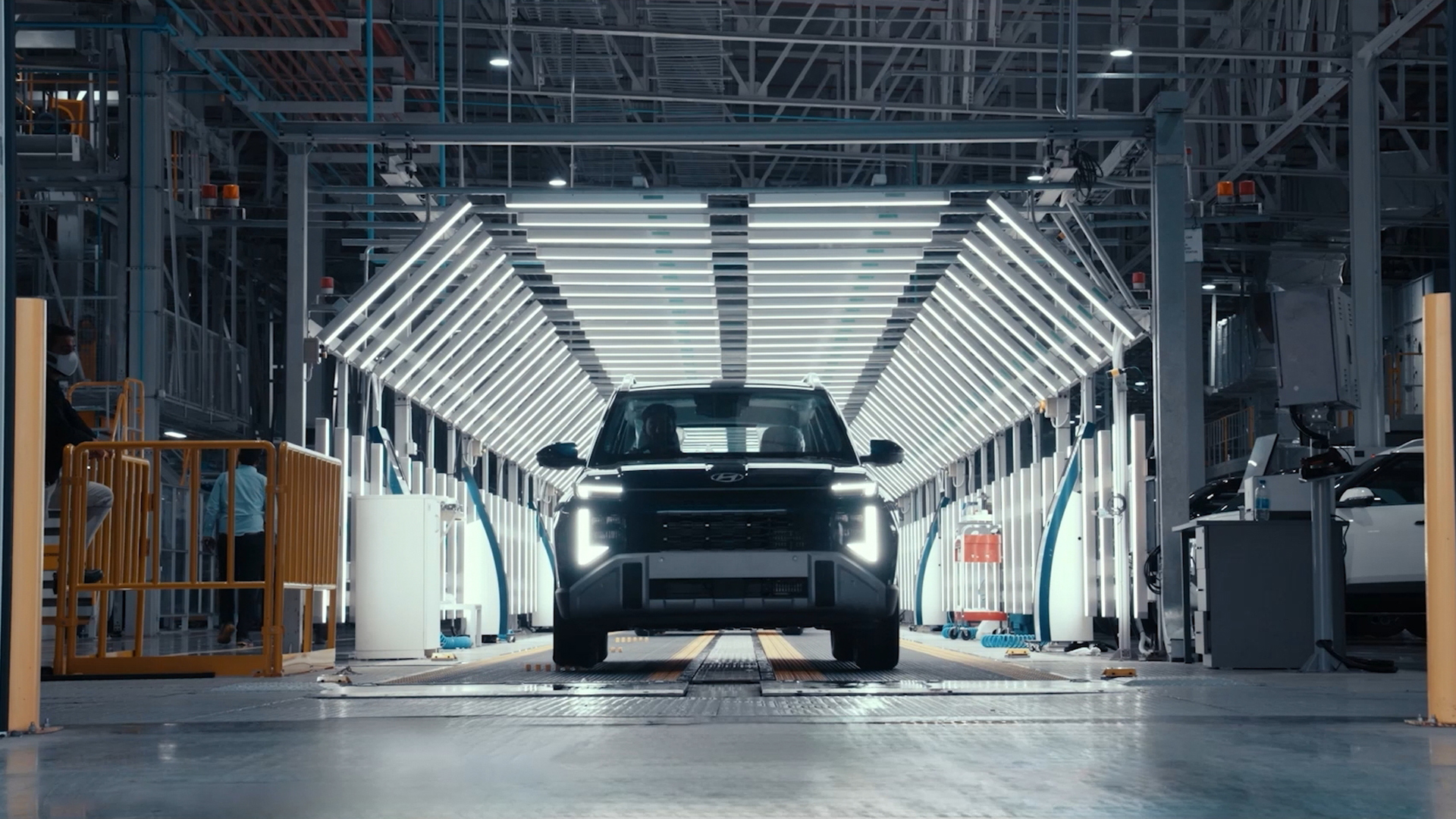
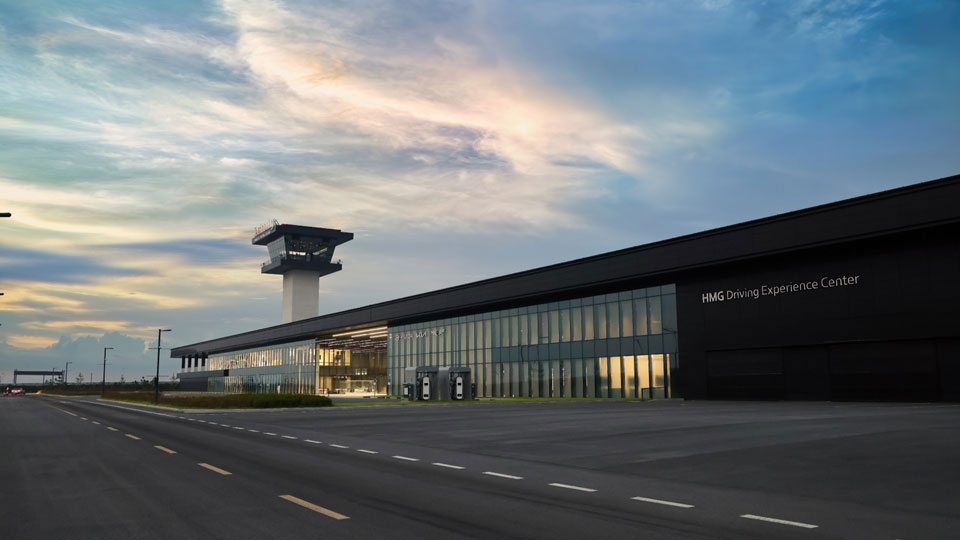
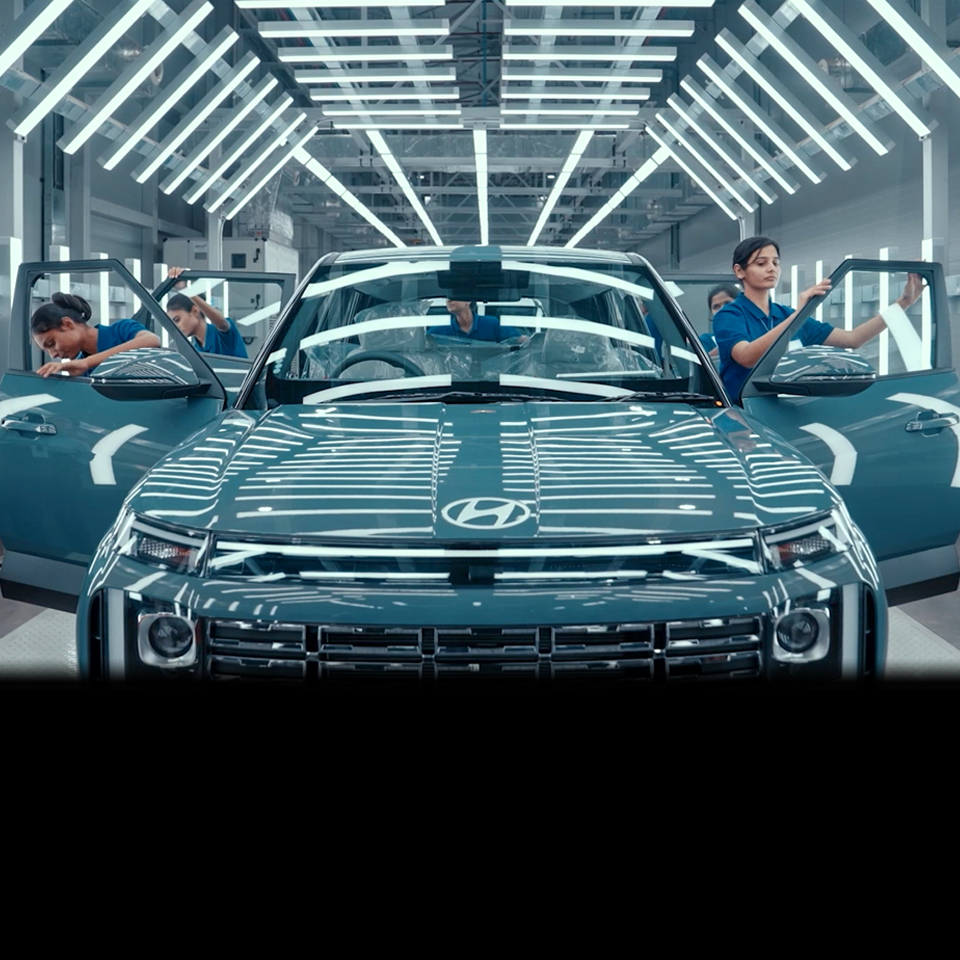
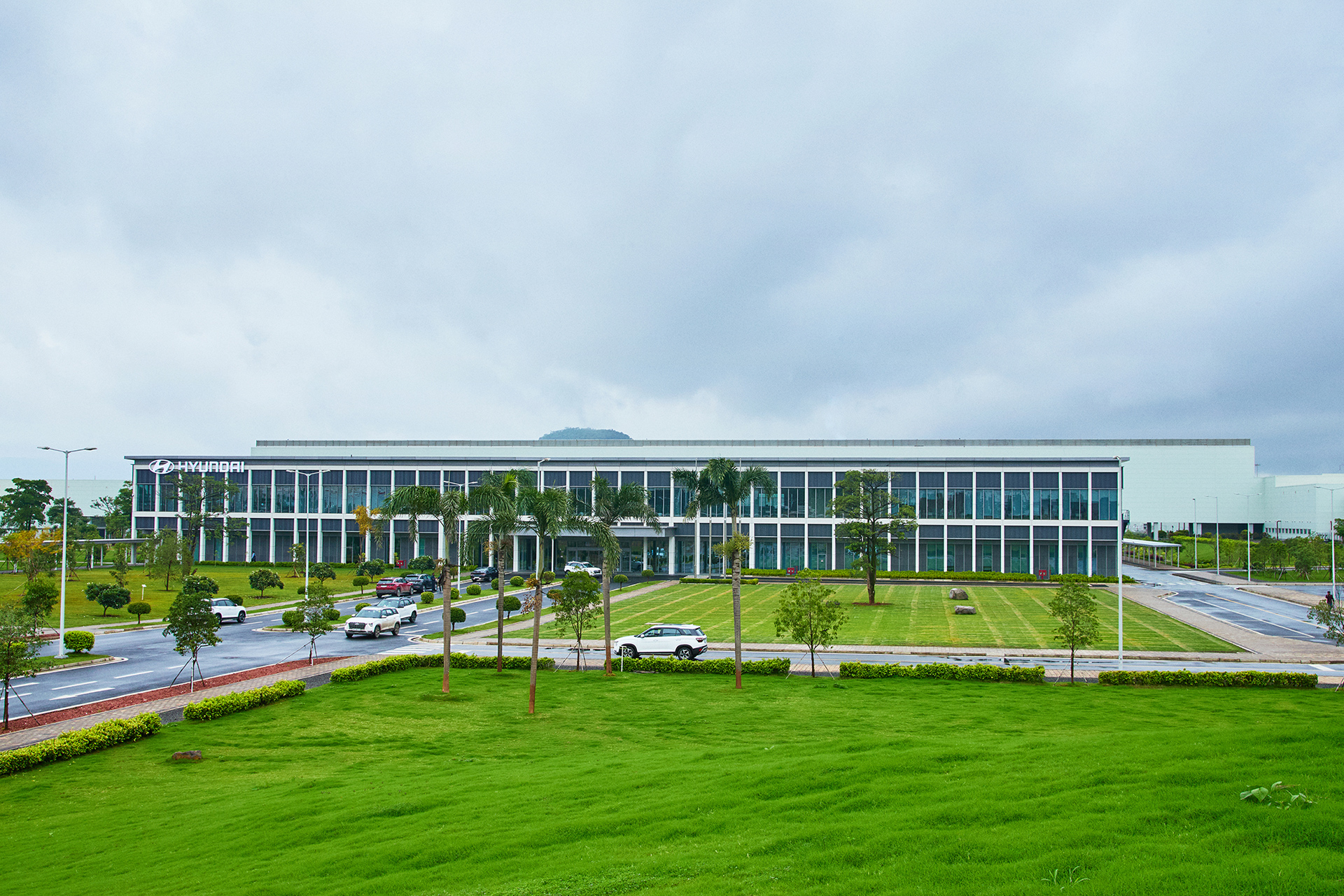
On October 14, Hyundai Motor India Limited held the inauguration ceremony for its Pune plant. Named after the host city in the western Indian state of Maharashtra, the Pune plant is Hyundai’s third production base in India, following the Chennai 1 and Chennai 2 plants in the south. A former GM plant, the previously idle facility was refurbished and brought back into operation. The Pune plant currently has an annual production capacity of 170,000 units.
The Pune plant is also a key hub set to drive the growth of Hyundai’s business in India, with annual production capacity rising to 320,000 units by 2030. The timing of its completion carries added significance: 2026 marks the 30th anniversary of Hyundai Motor’s entry into India. A new production base has arrived in a year that looks back on the past three decades while looking ahead to the next.
What ultimately drives this plant as it prepares for the next 30 years is its people: They rebuilt the plant into an advanced smart factory and stabilized operations in a remarkably short time. To follow a day in the life of the Pune plant, we spoke with two people who work there: Shyam Kumar Singh, Function Lead (Production – Pune) at Hyundai Motor India Limited (HMIL), who led the Pune plant’s construction and ramp-up and now leads its production, and Dheeraj Agrawal, a young engineer in its body shop.
Pune: A Hub of Industry and Education, Home to a People-Centered Smart Factory
Pune lies about 150 km southeast of Mumbai. Situated on the Deccan Plateau beyond the Western Ghats, it’s cooler than India’s coastal cities, and during the monsoon season, the entire city turns green. The Pune plant itself is surrounded by low hills, offering views of streams running down from the mountains when the rains come.
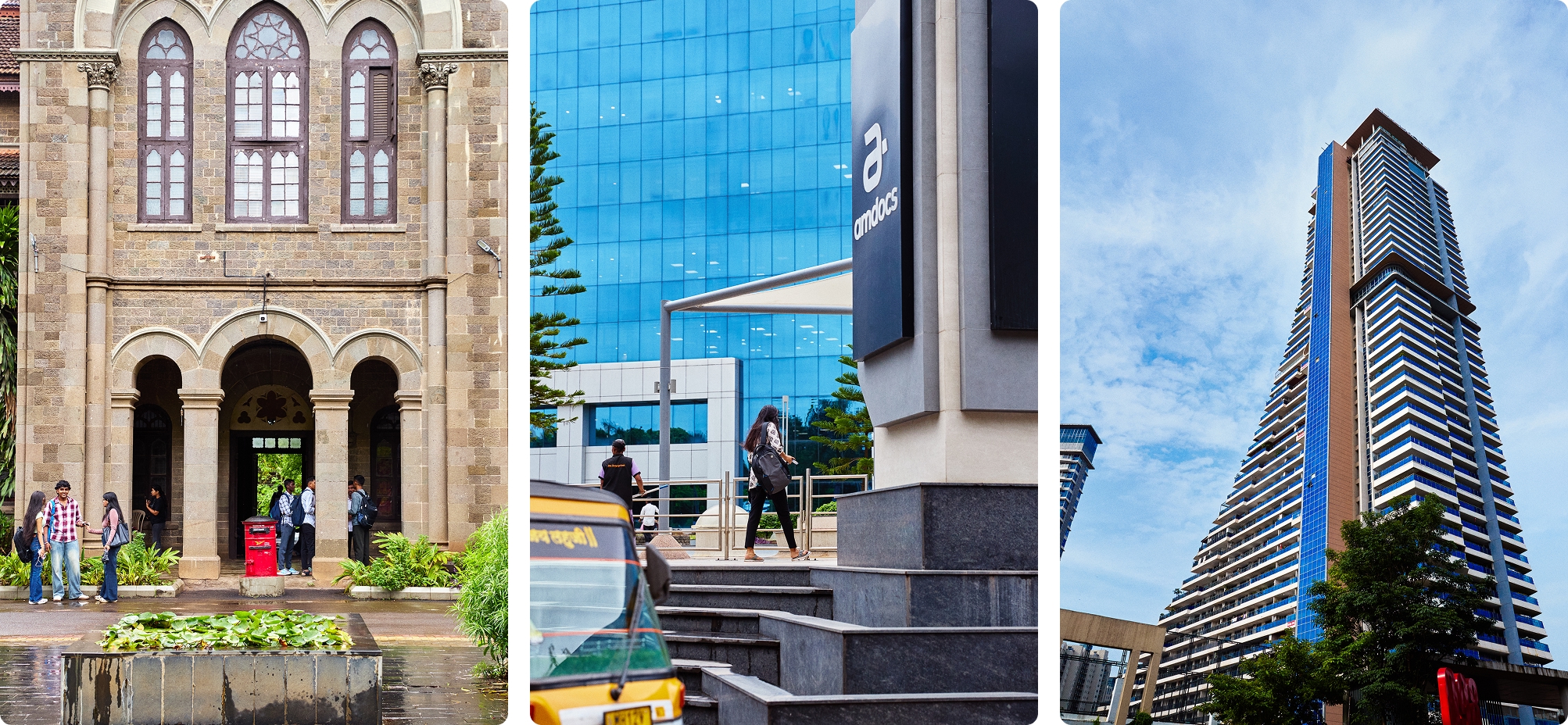
Pune is just as well known for education as it is for its natural surroundings. Prestigious universities and institutions have called the city home since the 19th century, and in 1848, Pune became the site of one of India’s first schools for girls — a history that earned it the nickname “Oxford of the East.” Today, large IT parks and automotive and parts plants have grown up alongside that academic tradition, which is why Pune is known as one of India’s leading IT and automotive hubs.
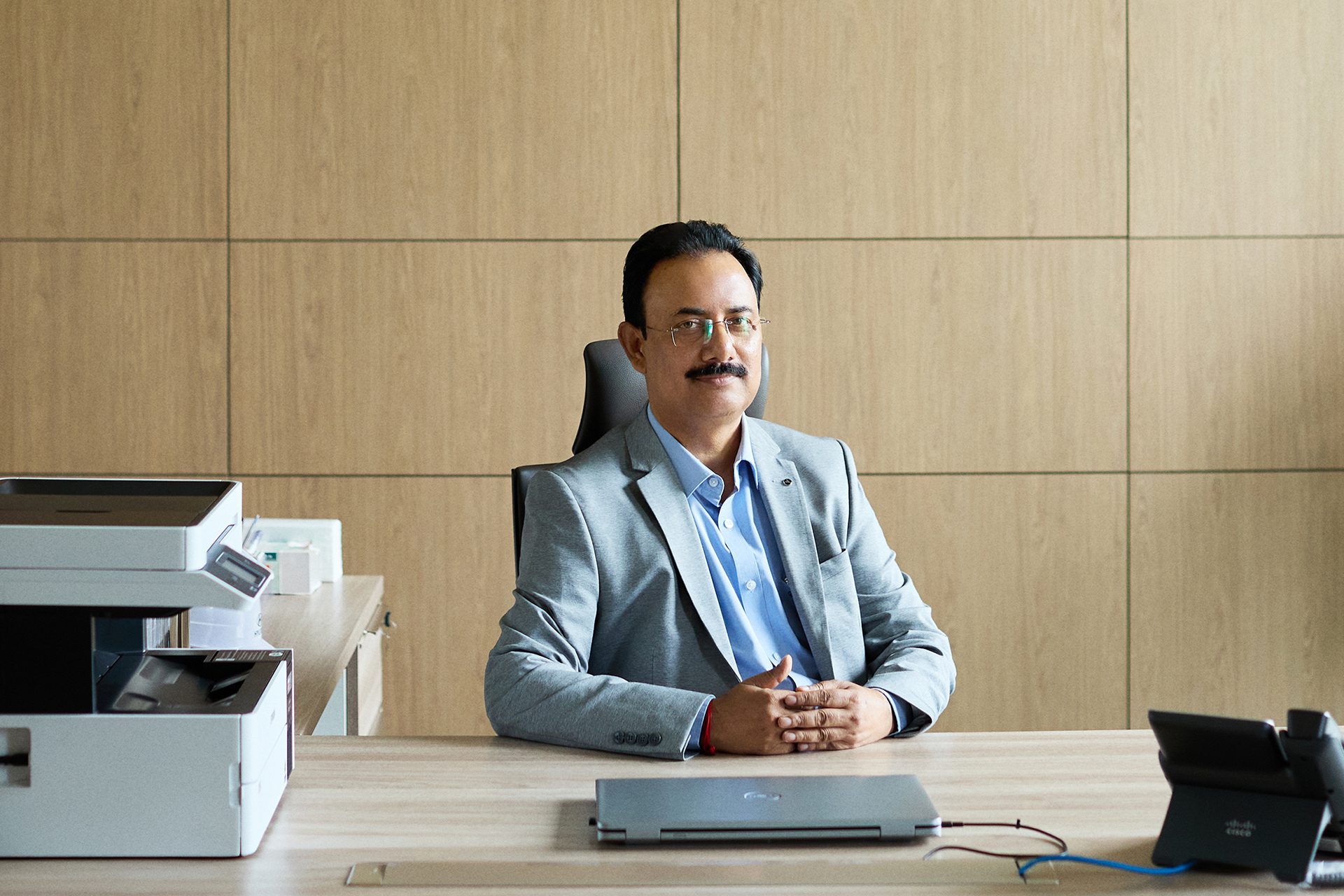
Function Lead (Production – Pune) Shyam Kumar Singh oversees the Pune plant’s production operations and joined partway through the mass-production (MP) project. He led the final stage of construction and quickly stabilized operations in the plant’s early days. Singh is now leading the plant’s expansion, which aims to raise annual capacity to 320,000 units by 2030. The expansion will play a key role in Hyundai’s push toward more than 1.14 million units of annual production capacity across India.
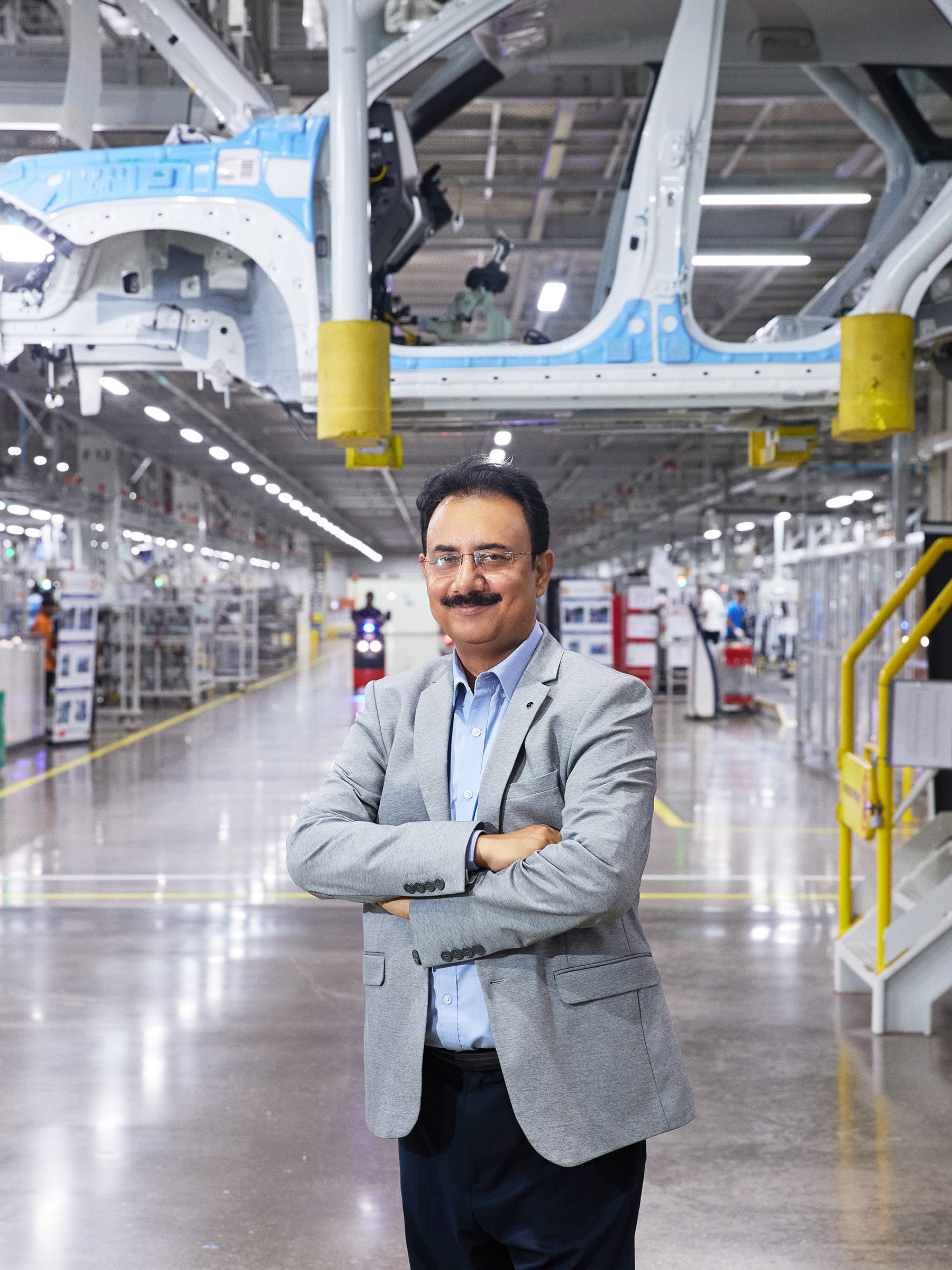
For Singh, the most memorable moment in preparing for the Pune plant’s completion was the day the first vehicle rolled off the line. He credits the achievement to the combined efforts of the plant’s engineering, production, quality, and purchasing teams, together with its partner companies — proof, in his view, that a factory’s real competitiveness ultimately comes from its people.
“Seeing our people, systems, and processes come together exactly as planned was truly special.”
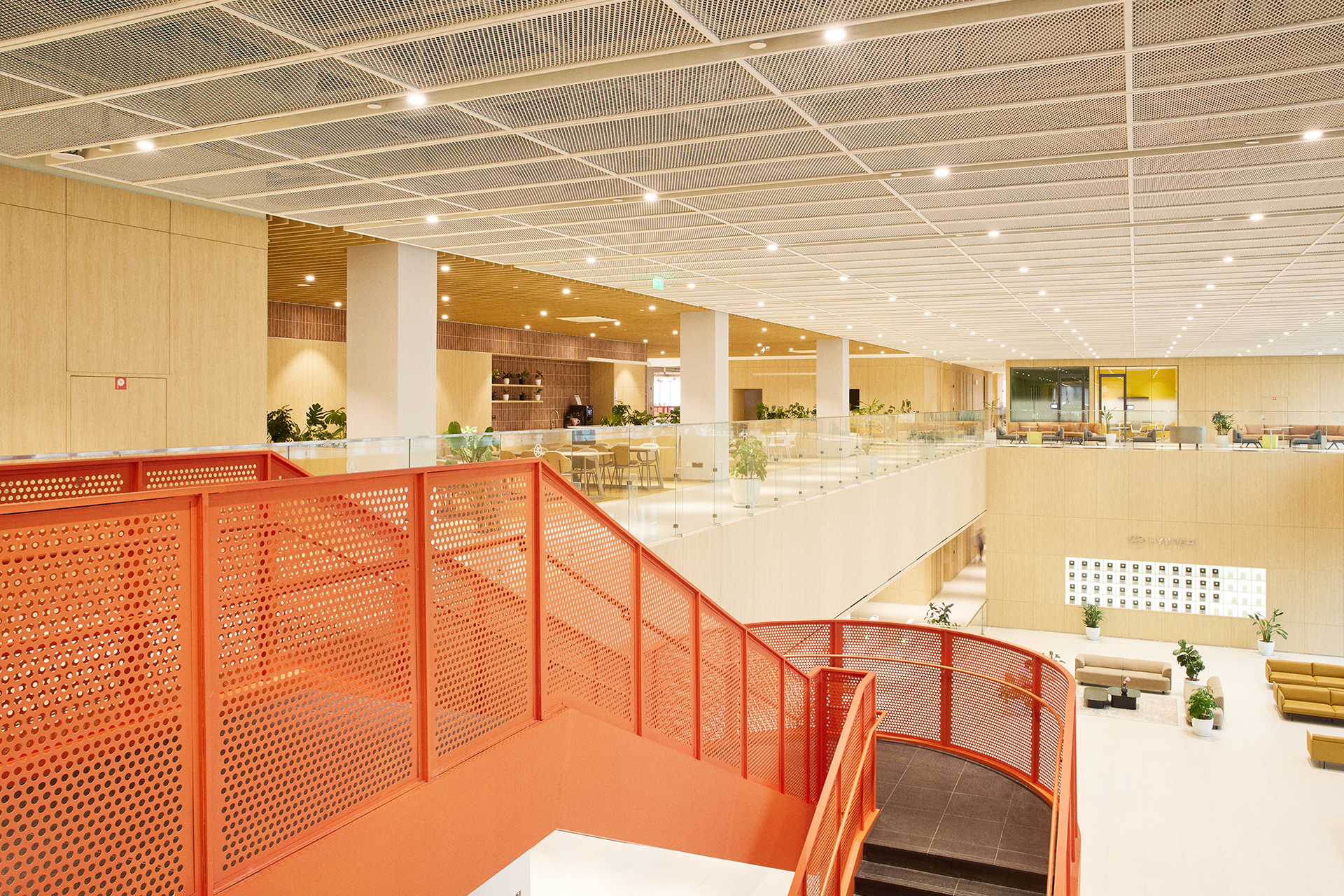
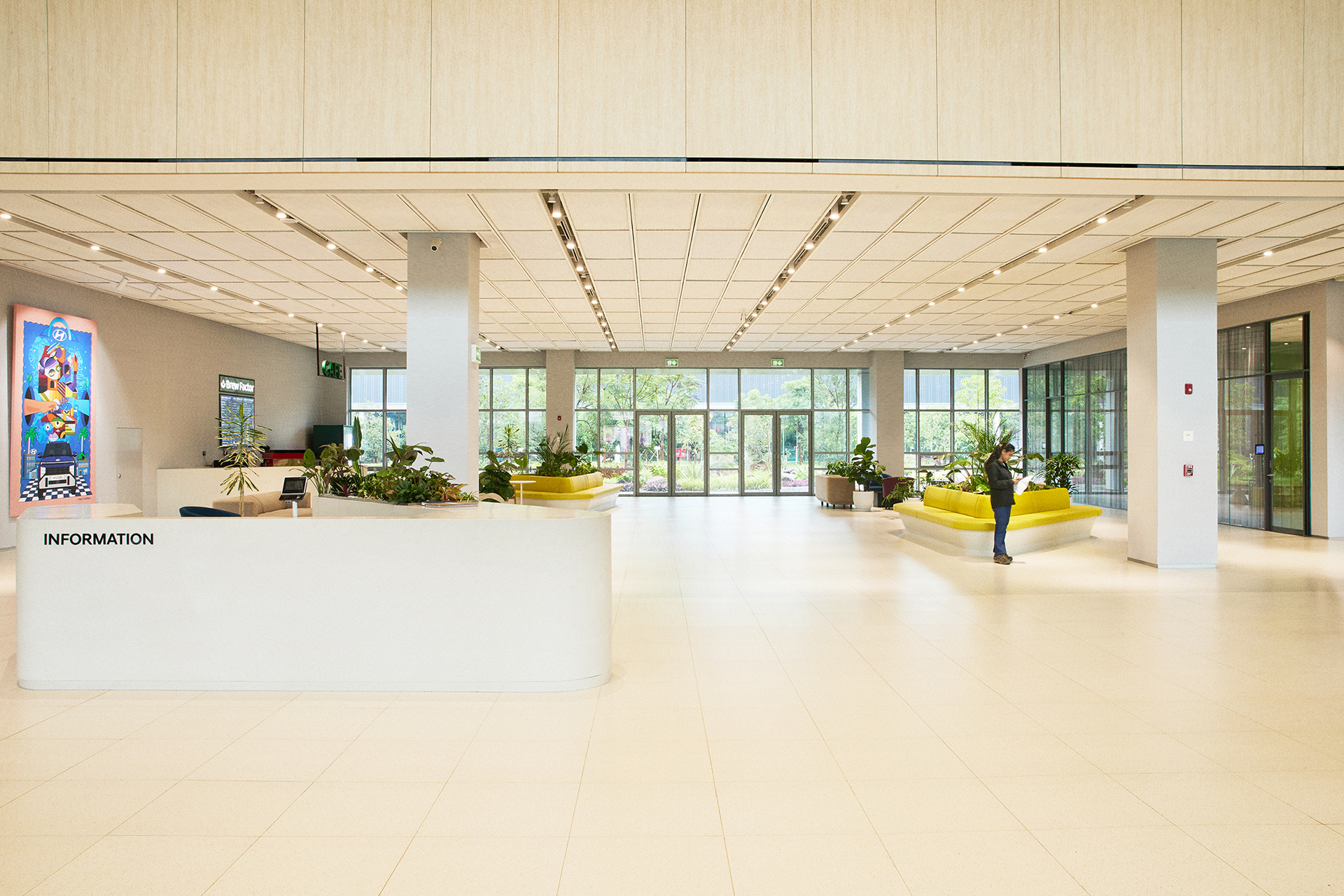
That philosophy carried through into the plant’s design. Its office and employee spaces, designed with collaboration and wellbeing in mind, won the Red Dot in the Brands & Communication Design category of the 2026 Red Dot Design Award. The plant also has cooling systems installed throughout the entire facility — a rarity among automotive plants in India — creating a more comfortable working environment. On top of that, an on-site Training & Skill Development Centre and Safety Experience Centre help build employees’ skills and reinforce a culture of safety.
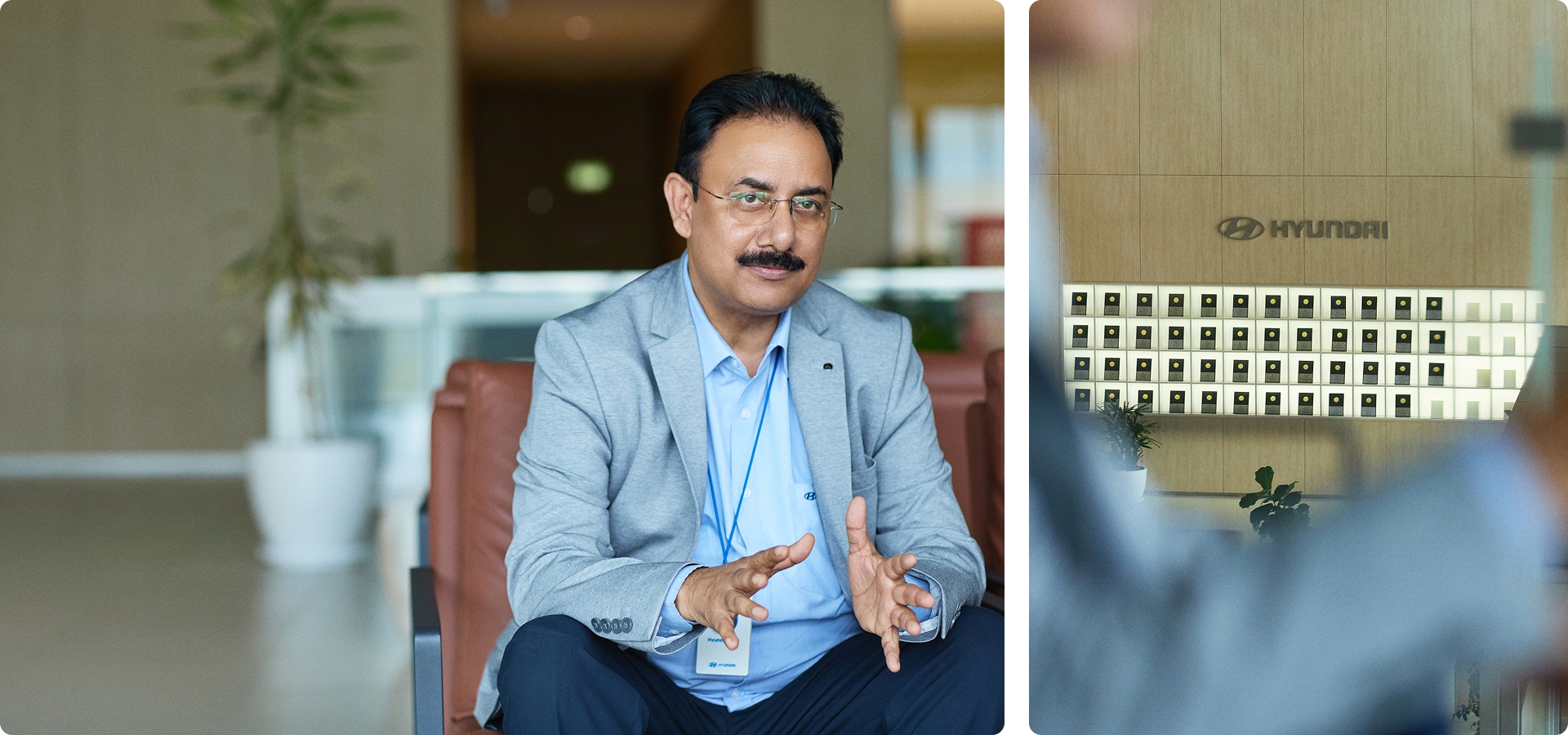
In this people-centered environment, Singh once again highlighted the people behind the Pune plant.
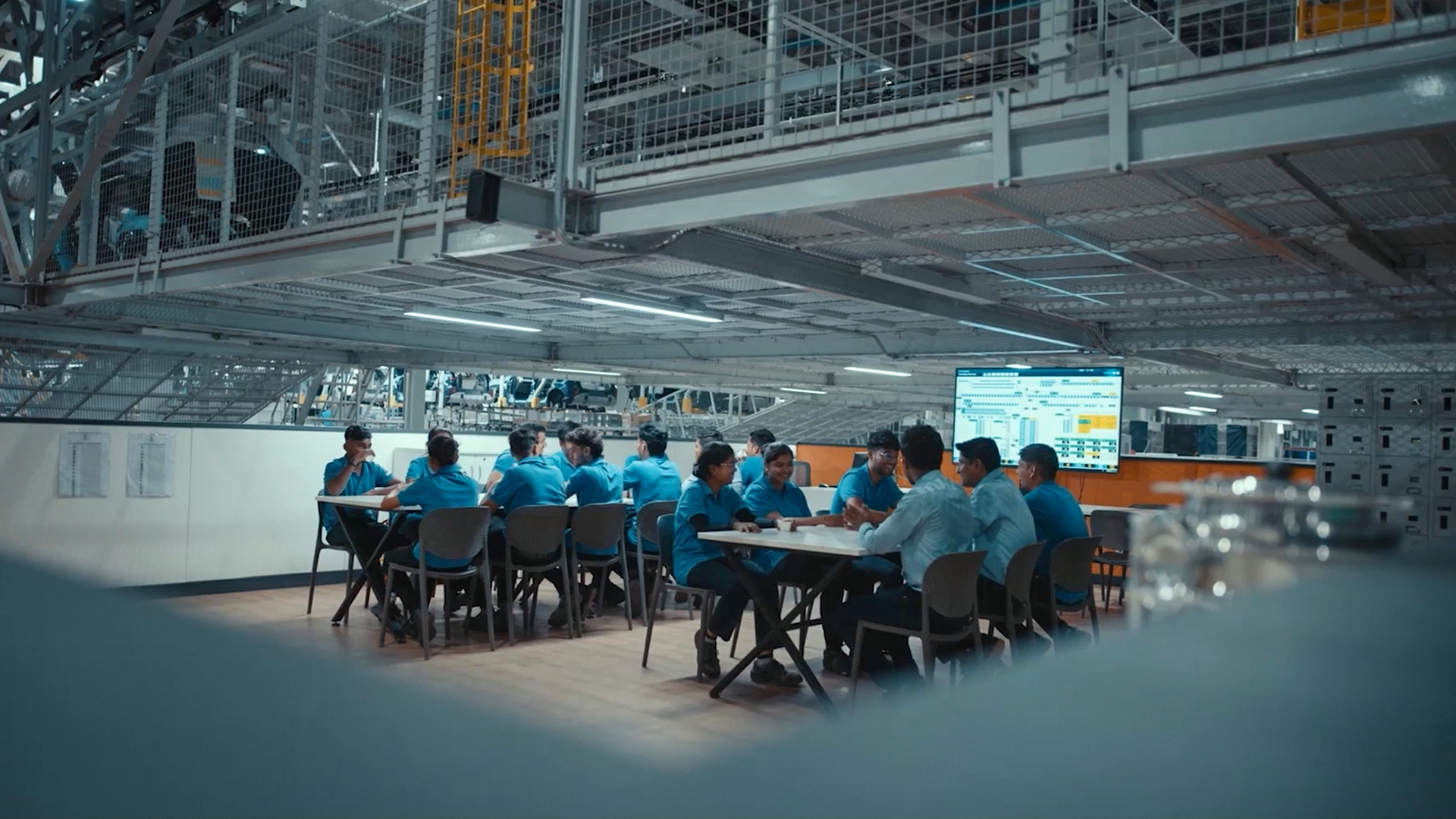
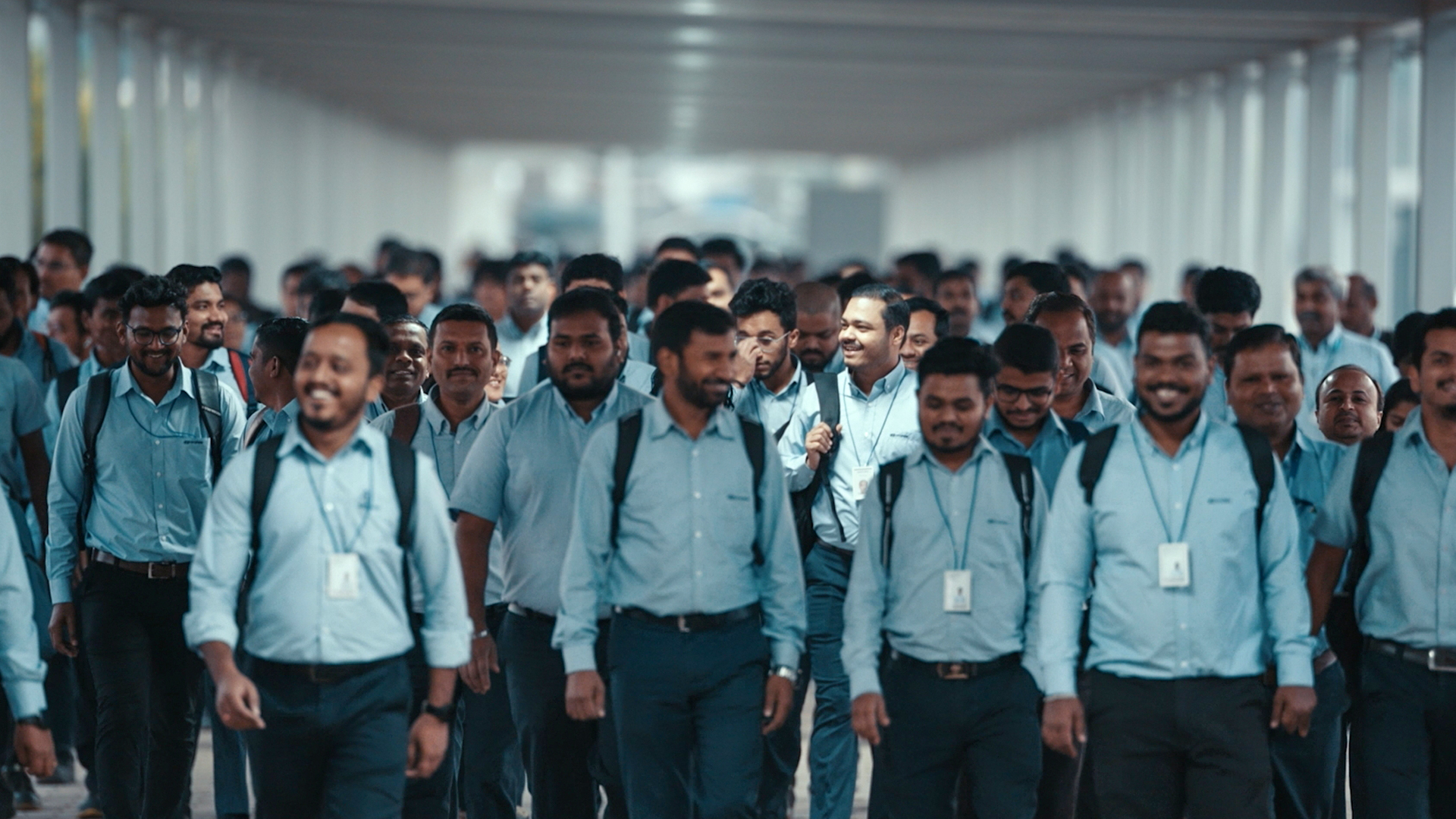
“Our greatest strength is our people. Pune’s educational institutions provide access to a highly skilled and multi-talented workforce, helping us build future-ready talent and drive innovation, and this young, talented, energetic, and diverse workforce has created a culture of continuous learning, innovation, collaboration, and operational excellence across the plant. Through close collaboration with our Chennai plants and a flat, communication-driven organizational culture, we’re building a place where our employees can fully realize their potential. Our aim is to create a benchmark plant by establishing a centre of manufacturing excellence.”
Beyond the Factory Walls: Employment, Inclusion, and Shared Growth with the Community
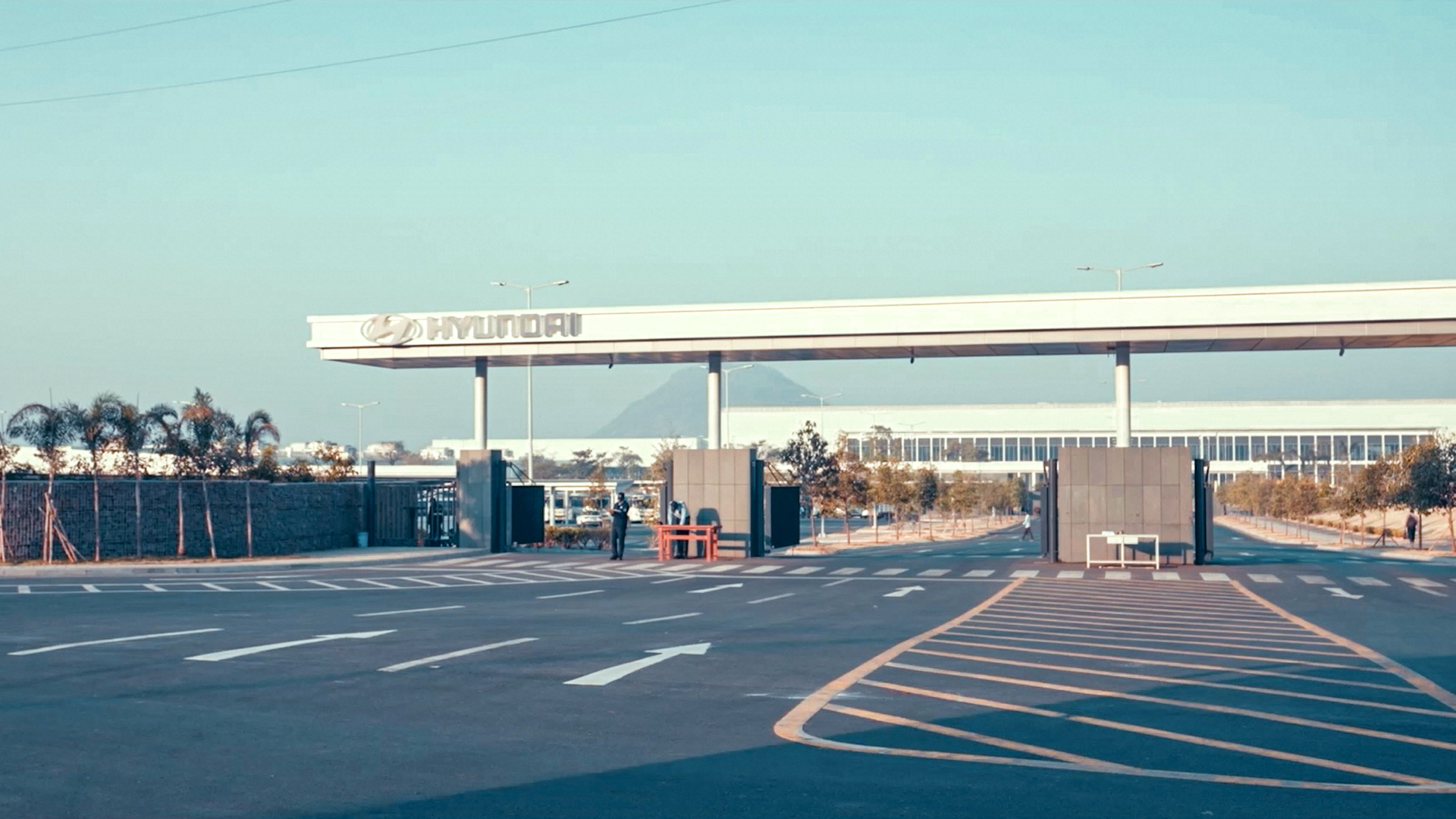
The Pune plant’s expansion extends beyond productivity within its walls to growth across the local ecosystem as a whole. It is generating direct and indirect employment across manufacturing, logistics, parts supply, and services, and as the business expands, a virtuous cycle is taking shape in which local small and medium-sized businesses and partner companies grow alongside it.
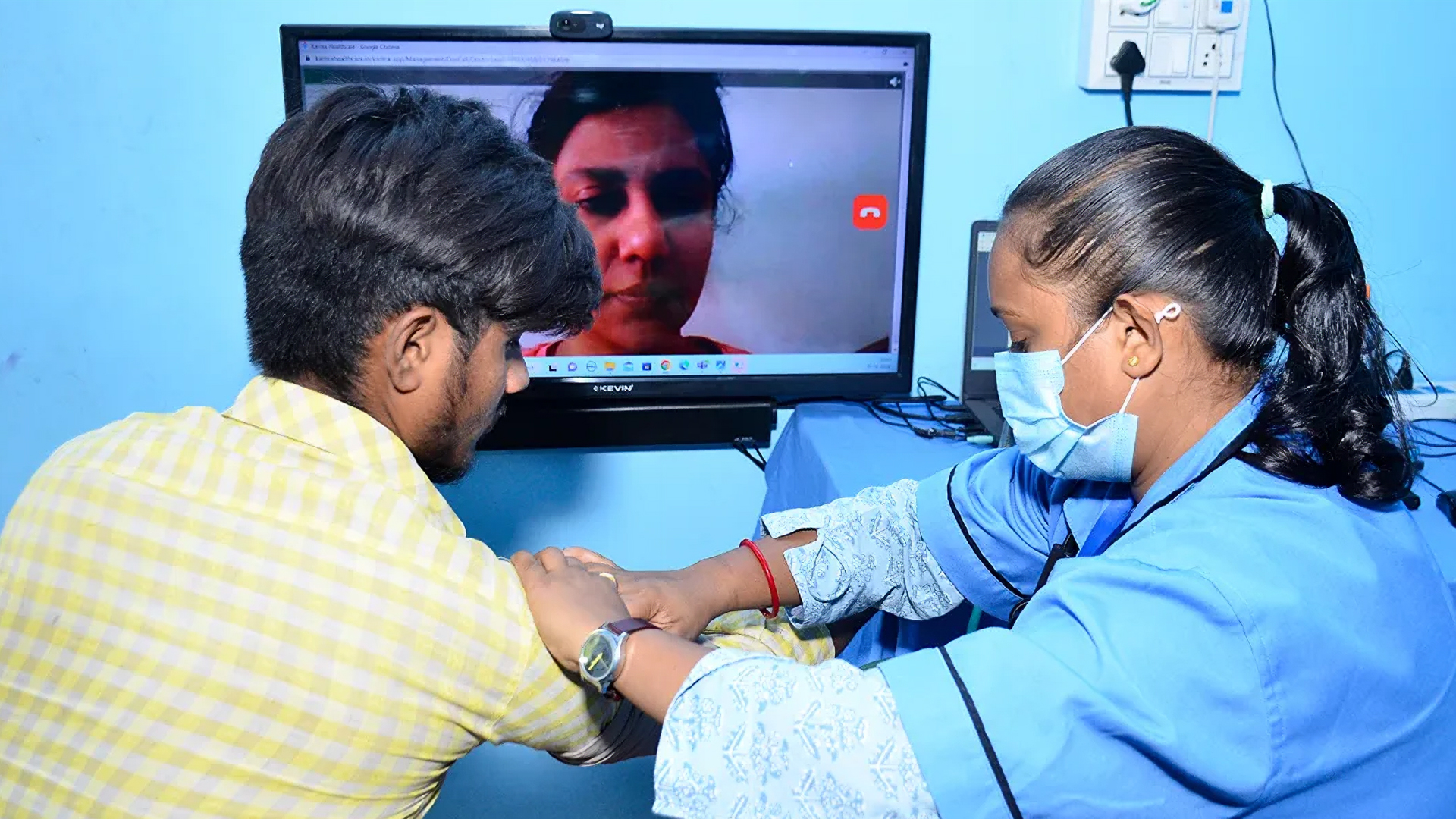
Hyundai Motor’s focus also extends well beyond the plant and deep into Indian society. Marking 30 years in the country, the company has been broadening the scope of its community programs in India and working to build a bridge between Korea and India. One example is Sparsh Sanjeevani, a Hyundai Motor India Foundation (HMIF)-run, technology-driven healthcare initiative that brings basic medical care to underserved areas. Combining mobile clinics with telemedicine centers equipped with digital technology, the program has benefited some 50,000 residents of rural areas.
Hyundai’s flagship community initiative, “IONIQ Forest,” has also made its way to India. On roughly 36.6 hectares, the project has planted one million trees, creating one of the largest urban forests in Maharashtra. Carried out in under a year, the reforestation effort — which includes planting 41 native species — is expected to help boost local biodiversity. Separately, “Art for Hope,” a program supporting emerging artists that launched in 2021, provides grants and exhibition opportunities to artists and organizations across India each year. This year, grants went to 50 recipients — 40 individual artists and 10 art collectives.
In this way, the Pune plant is growing its influence with an eye toward becoming more than a mobility hub; it will be a center for talent development, innovation, and long-term value creation for the local community.
A Day at Pune Plant, Driven by Learning and Passion
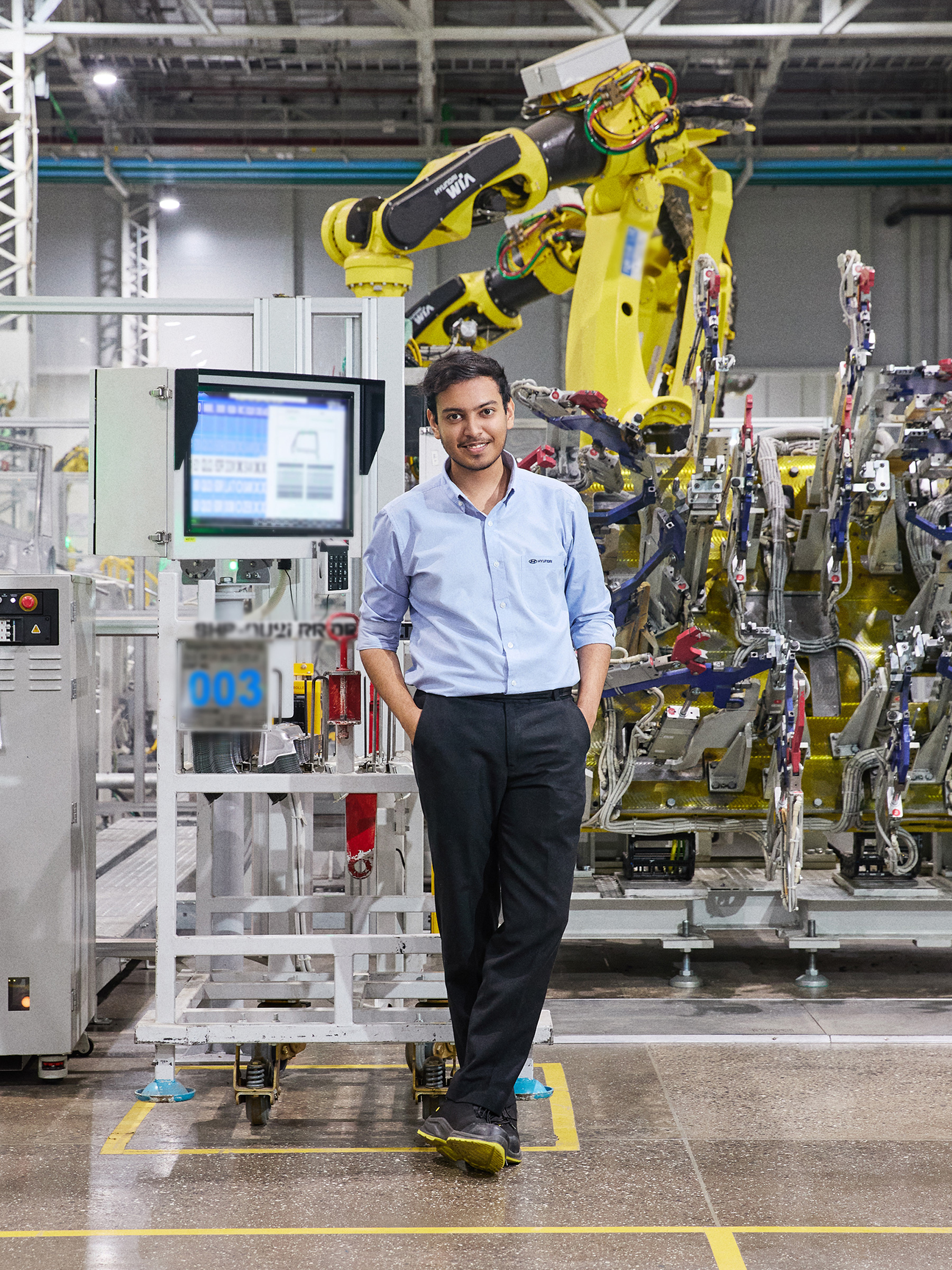
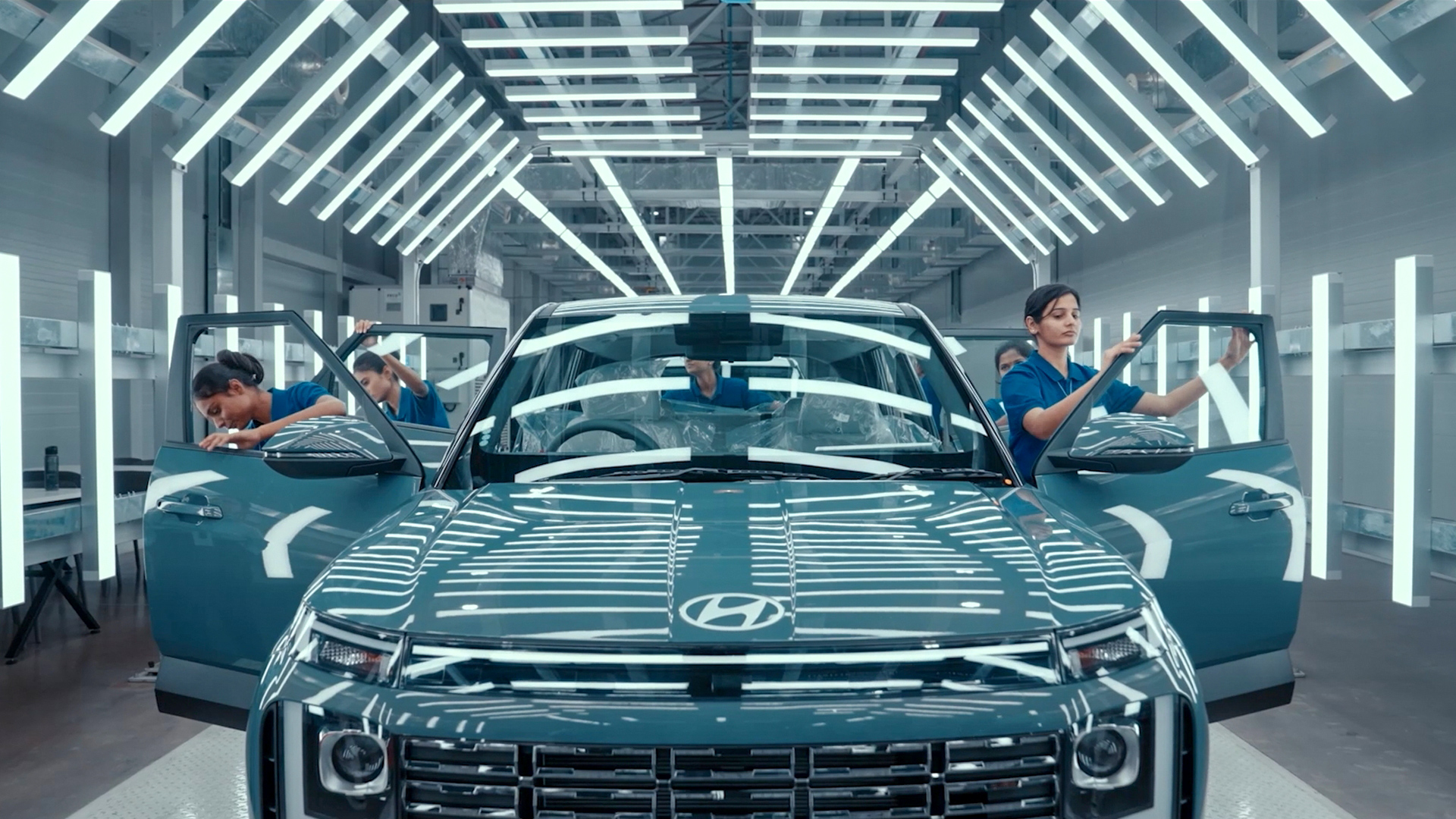
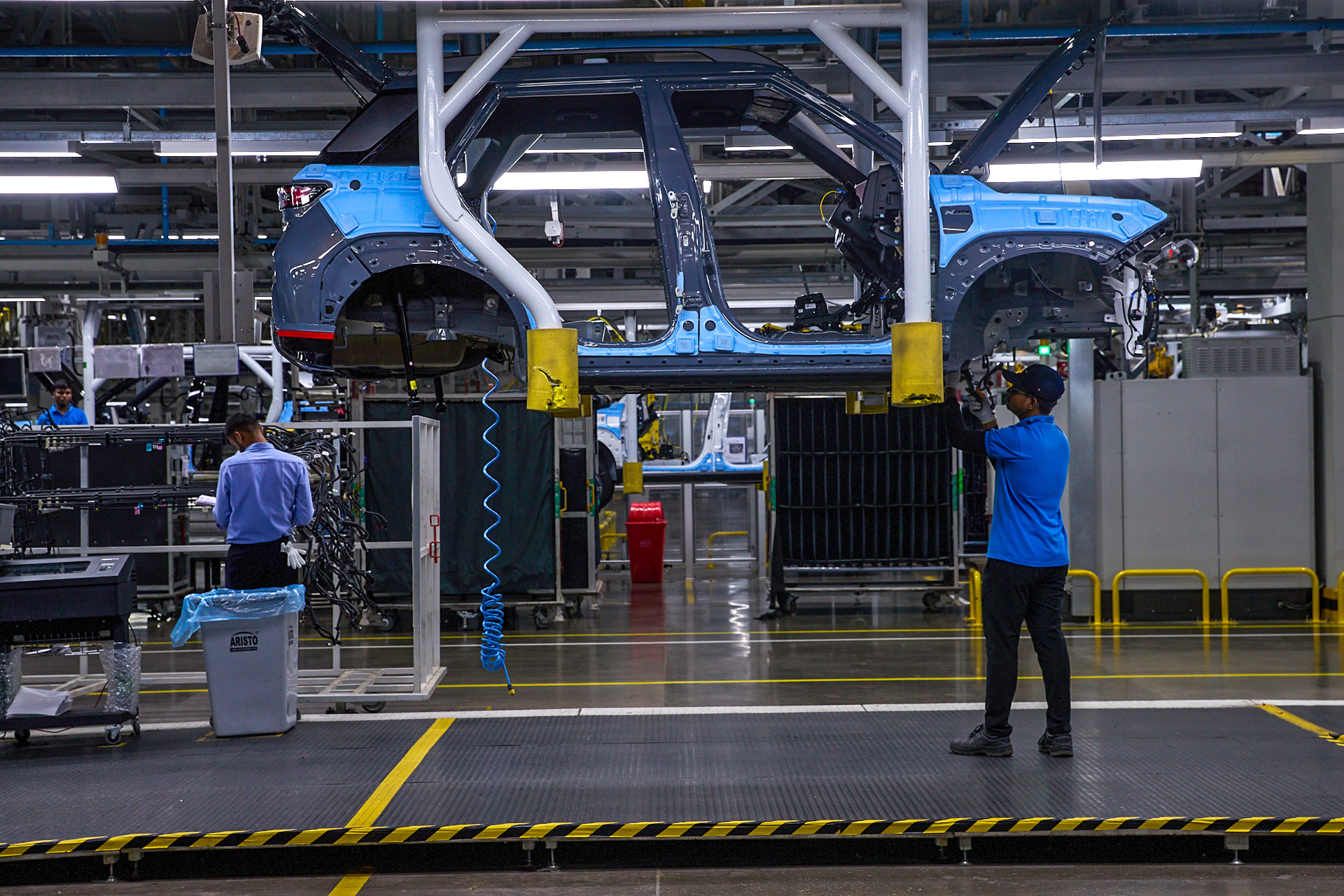
So what does the floor at the Pune plant feel like to the young engineers who run the line? The plant’s distinctive energy is what first came to mind for Dheeraj Agrawal, a novice engineer at work on his first factory floor.
“As soon as we enter the plant, the atmosphere changes; you can really feel the energy. People arrive with enthusiasm, teams gather for discussions, and everyone is focused on starting the day strong. Since many of us are young professionals, there’s a great mix of enthusiasm, curiosity, and willingness to learn. I think that positive energy is one of the things that makes working here enjoyable.”
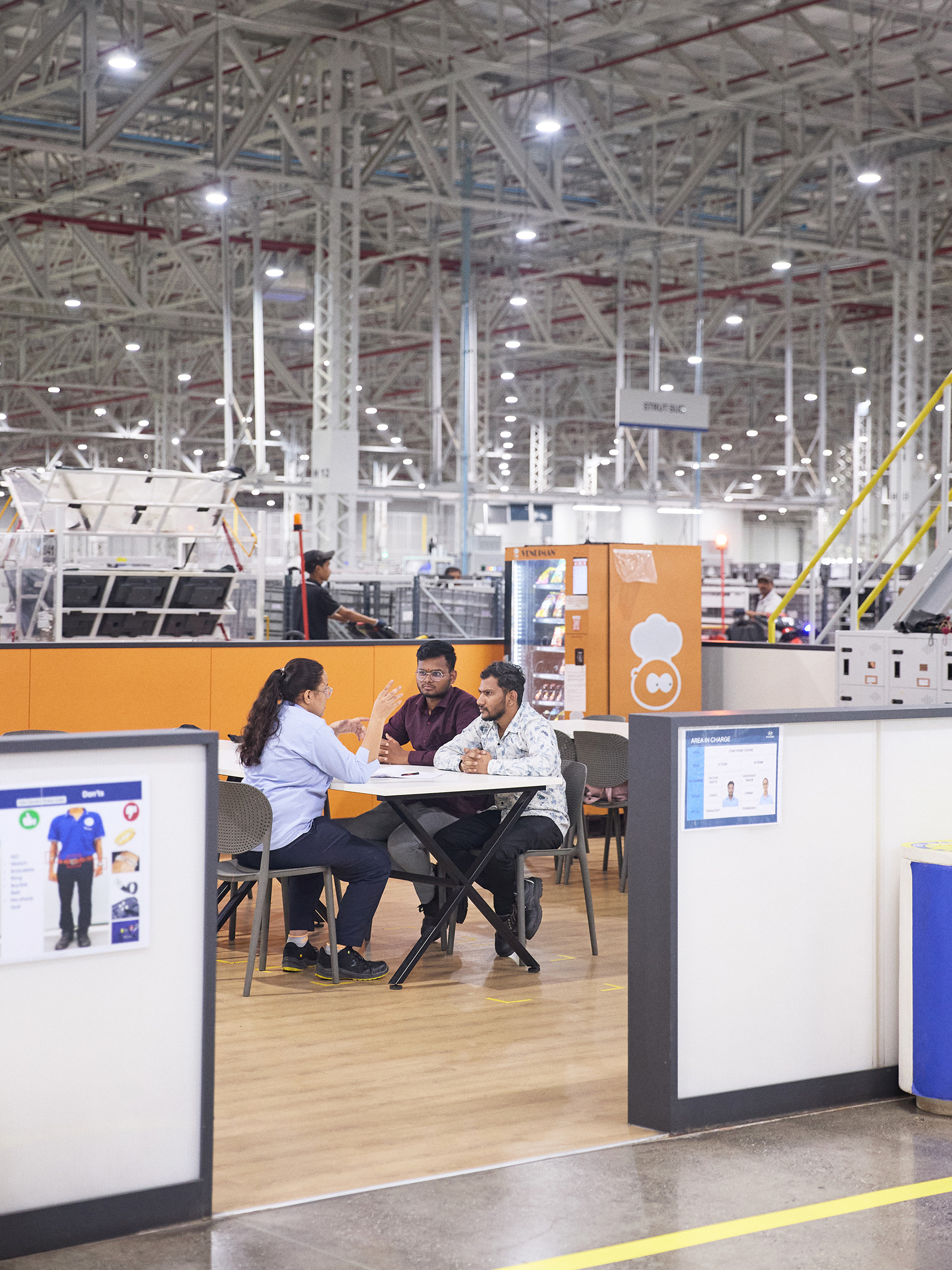
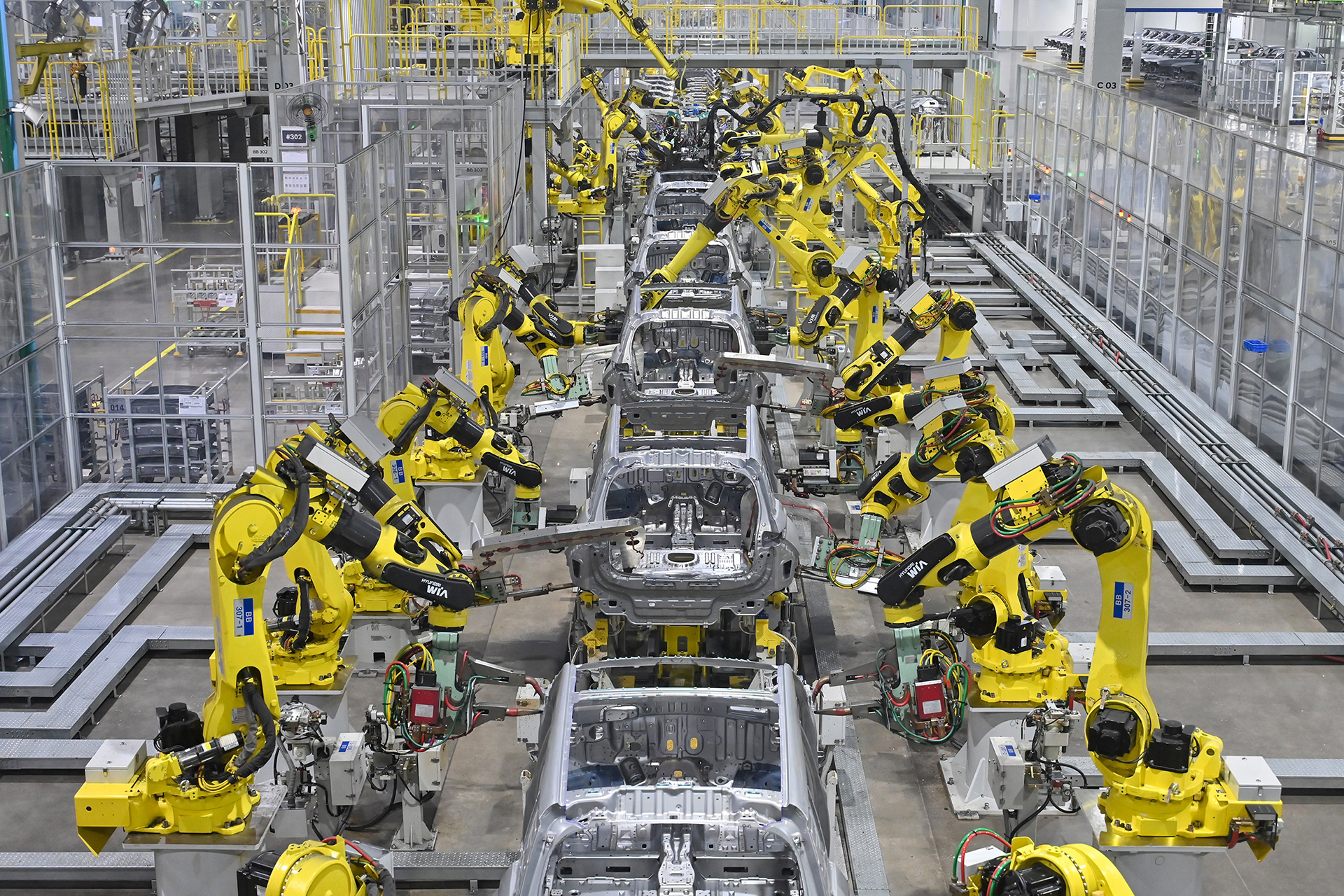
Agrawal is responsible for process planning tied to new-model launches and for upgrading equipment and facilities. He added the following about what he finds rewarding in his day-to-day work in the body shop:
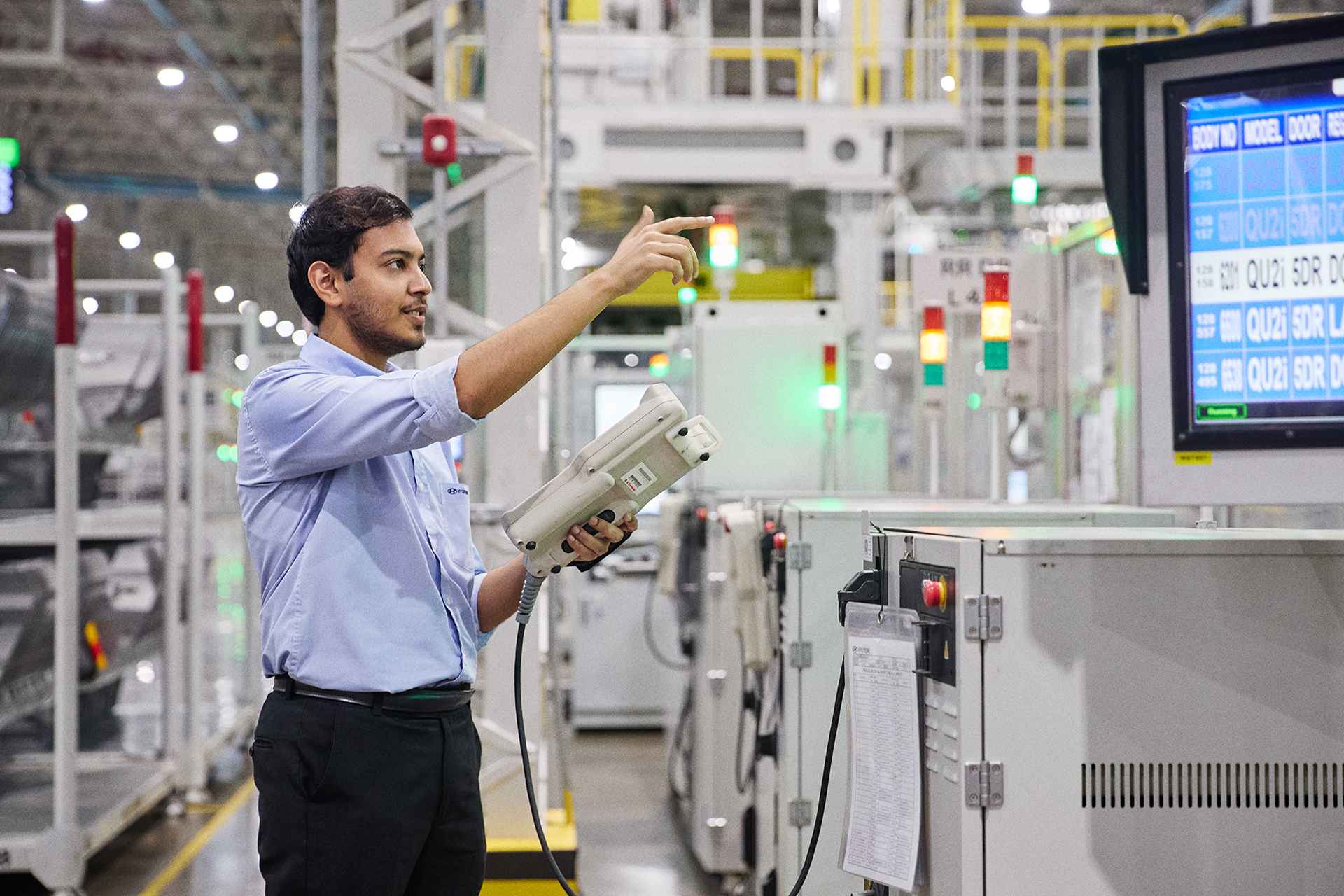
“My responsibility is to ensure that we build quality into the manufacturing process by defining robust processes, improving equipment, and implementing foolproof solutions that prevent defects before they happen. In college, everything ends at a report or a simulation. Here, when a process I helped set up or improve works smoothly and you watch it happen in front of you, that feeling doesn’t get old. It’s satisfying to know that your work contributes directly to quality and production.”
Agrawal considers it a major asset that he didn’t join an already-established production line, but instead took part in building and establishing a large-scale new plant from the ground up. Because the processes themselves were still being defined, he says he was able to witness the entire arc of problems arising and being solved firsthand on the floor — and that this has helped him grow far faster than when he was still learning theory.
Pune Plant’s Unique Synergy and Mobility for India
At the Pune plant, people from a wide range of backgrounds work side by side — local engineers drawn from across India and experienced engineers dispatched from Korea alike. As they prepare for mass production of the next new model to follow the VENUE, the India team and the Asan plant team in Korea are collaborating closely on the project. Even early in his career, Agrawal works in direct communication with Korean expatriate staff.

“One thing I really appreciate is the culture of learning. Even as one of the younger engineers, I get the opportunity to interact directly with experienced Korean expatriates. Their guidance and willingness to share their knowledge make even complex challenges much easier to understand. Working alongside both Indian and Korean colleagues means I’m absorbing two work cultures at once: the Korean team’s discipline and depth of process, and the Indian team’s creative, resourceful problem-solving. That combination is making me a much better engineer.”
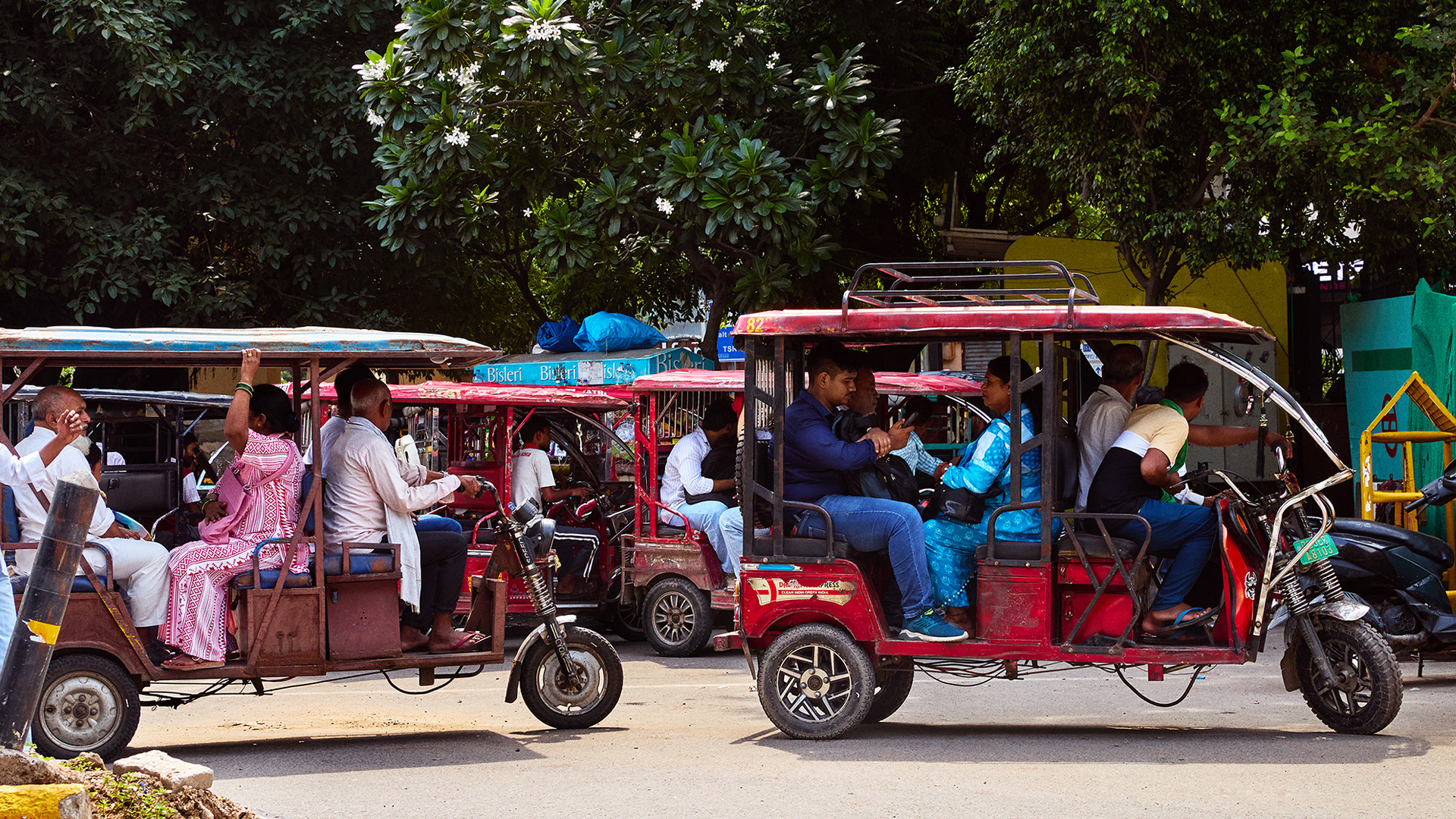
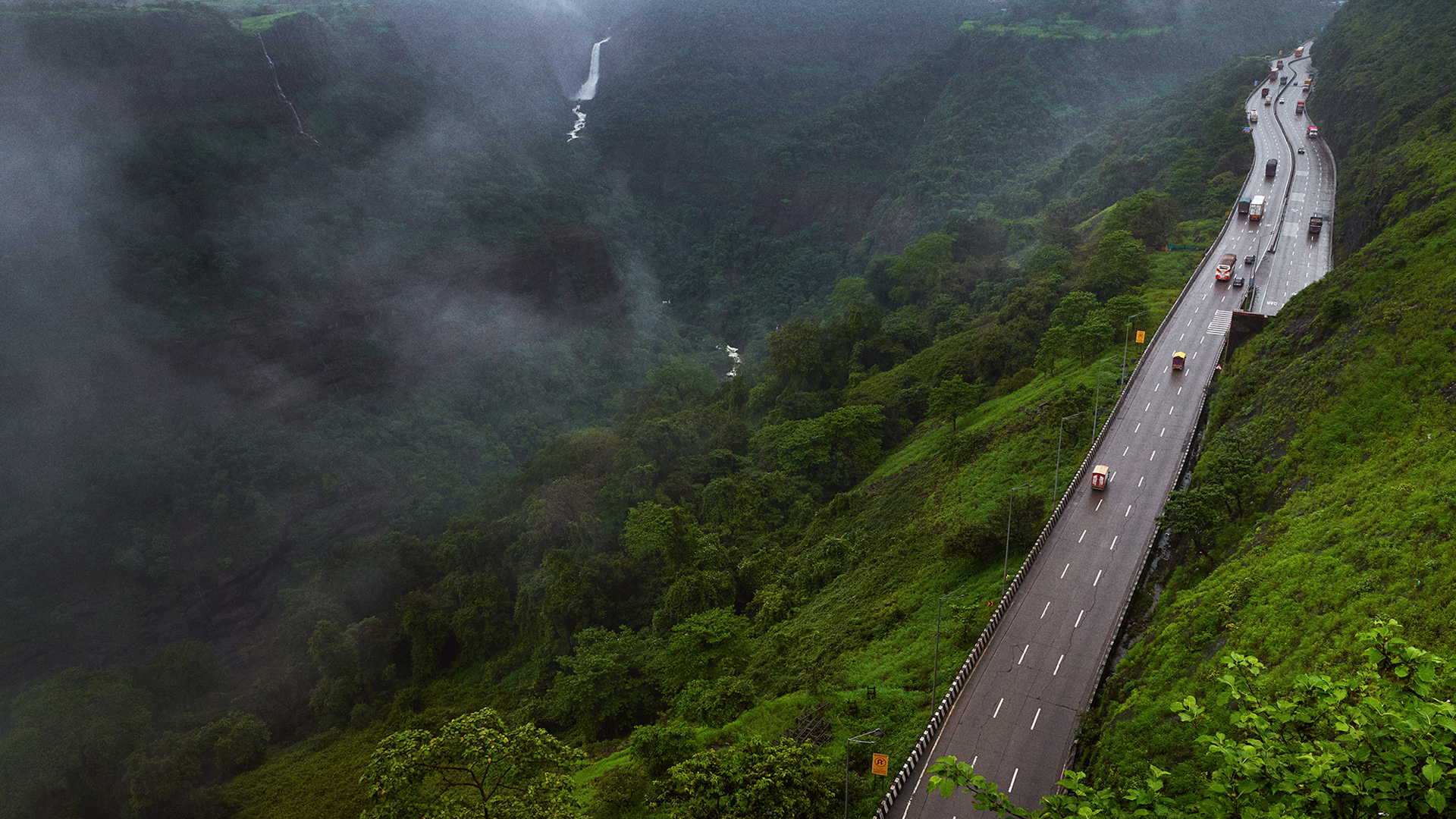
Such learning ultimately feeds into the vehicles that will drive on India’s roads. Driving conditions across India are remarkably diverse — from snow-capped mountain terrain to roads lashed by monsoon downpours and unpaved tracks. Rickshaws, bicycles, motorcycles, and other modes of transport often share the same road. Agrawal explained what a vehicle needs to handle conditions like these.

“Some days you’re navigating city traffic, and other days you’re out on a trip, driving on highways or unpaved roads. These days, customers also want spacious interiors, safety, connected technology, and a comfortable ride, all together. I think the ideal mobility is a vehicle you can trust, with the ground clearance, comfort, and practicality suited to the full range of India’s roads.”
To build cars customers desire, the engineers building them have to evolve too. With the auto industry in the midst of a major shift toward electrification and smart manufacturing, Agrawal said he hopes to “grow into an engineer who stays open to new technologies and takes on challenges on the floor head-on.”
The growth of young talent like Agrawal is also part of the future Singh envisions for the Pune plant. He closed the interview by saying he hopes the Pune plant “creates value for our customers, employees, and the community for many years to come, and becomes a place where local talent can grow and thrive.”
Hyundai’s journey in India, which began in Chennai 30 years ago, is now opening a new chapter in Pune. And it’s the people who head to the Pune plant every morning who are writing its first pages.
Photos. Hansoo Lim