- Series
The Journey Back into the Flames: National Fire Hospital Documentary “Re:boot”
- Hyundai Motor Group
- 2026-11-13
- 분량10min
- 조회수 290Views
AI summarized the main points
AI-generated summary. Please refer to the full article for precise details.
- In the Skies and on the Roads: Helicopters and ST1-Based Ambulances Safeguard Transport
- X-ble MEX: Helping Patients Take Their First Steps Again and Walk Independently
- The First Specialized Hospital for Firefighters
- A Place Where Firefighters Are Evaluated Prior to Returning to the Field
- Continuous Support: From the Accident Site to the Hospital
Every working person has their own workplace—from physically demanding field sites to tension-filled offices. Some professionals willingly rush into disaster zones where steel structures are twisted and the air is thick with toxic fumes. These are firefighters who save lives in moments of crisis. We call them “heroes” with deep respect for their dedication.
Though they are publicly lauded for their life-saving work, the physical and emotional wounds that firefighters sustain in the flames often remain out of sight. Rushing to scenes of destruction whenever called is demanding. The pressure is just as great following injuries when firefighters push themselves to recover enough to return to their colleagues’ sides. Where and how can an injured firefighter get back on their feet?
In June of this year, the National Fire Hospital (NFH)—Korea’s first medical facility dedicated to firefighters—opened its doors. At the opening ceremony held on August 11, Hyundai Motor Group joined this effort by donating vehicles and rehabilitation equipment, including ST1-based ambulances and the medical exoskeleton “X-ble MEX.” The documentary “Re:boot” follows the journey of firefighters as they get back on their feet—from transport to rehabilitation and their return to the field. Every step of the way, the documentary showcases the technology that supports them.
In the Skies and on the Roads: Helicopters and ST1-Based Ambulances Safeguard Transport
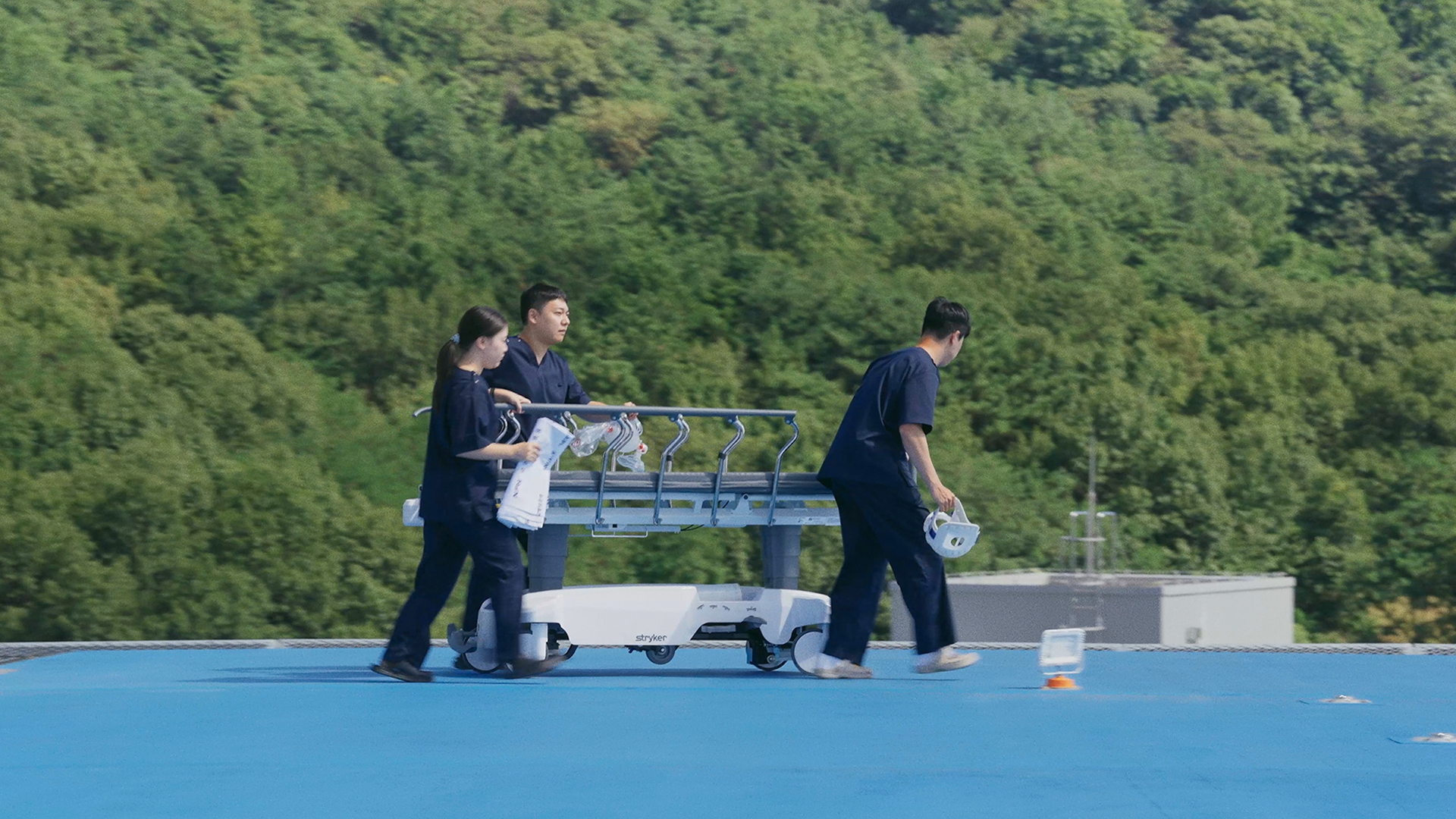
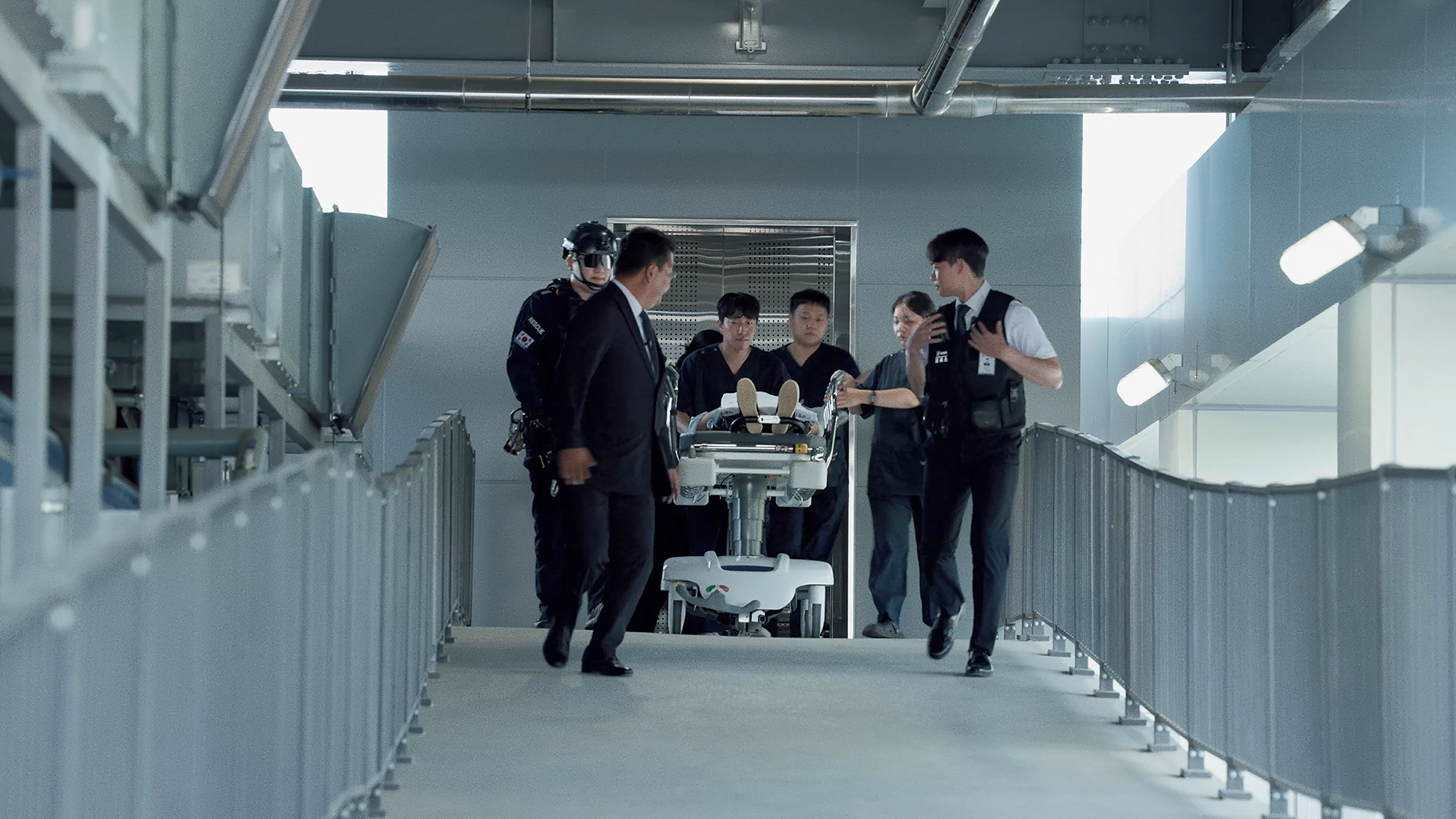
The documentary begins in the emergency room with a “Level 1 Trauma” alert. At this stage, the emergency resuscitation team is summoned to care for a patient who has arrived with the most severe trauma. The attending staff check the patient’s vital signs, secure a cervical collar, rapidly administer IV fluids, and prepare for emergency surgery. This simulated drill began 15 minutes earlier on the hospital’s rooftop helipad to prepare for an unforeseen disaster.
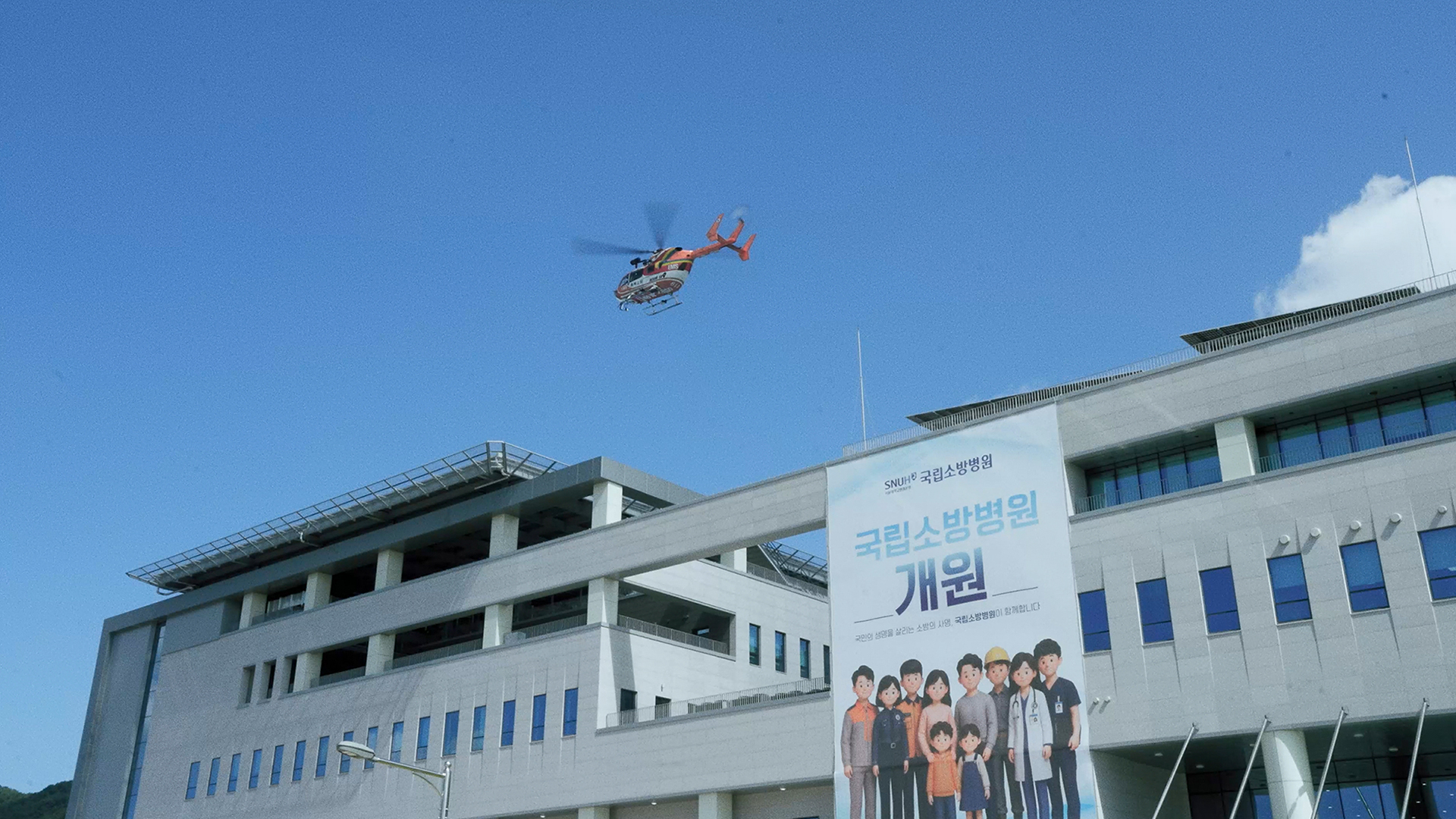
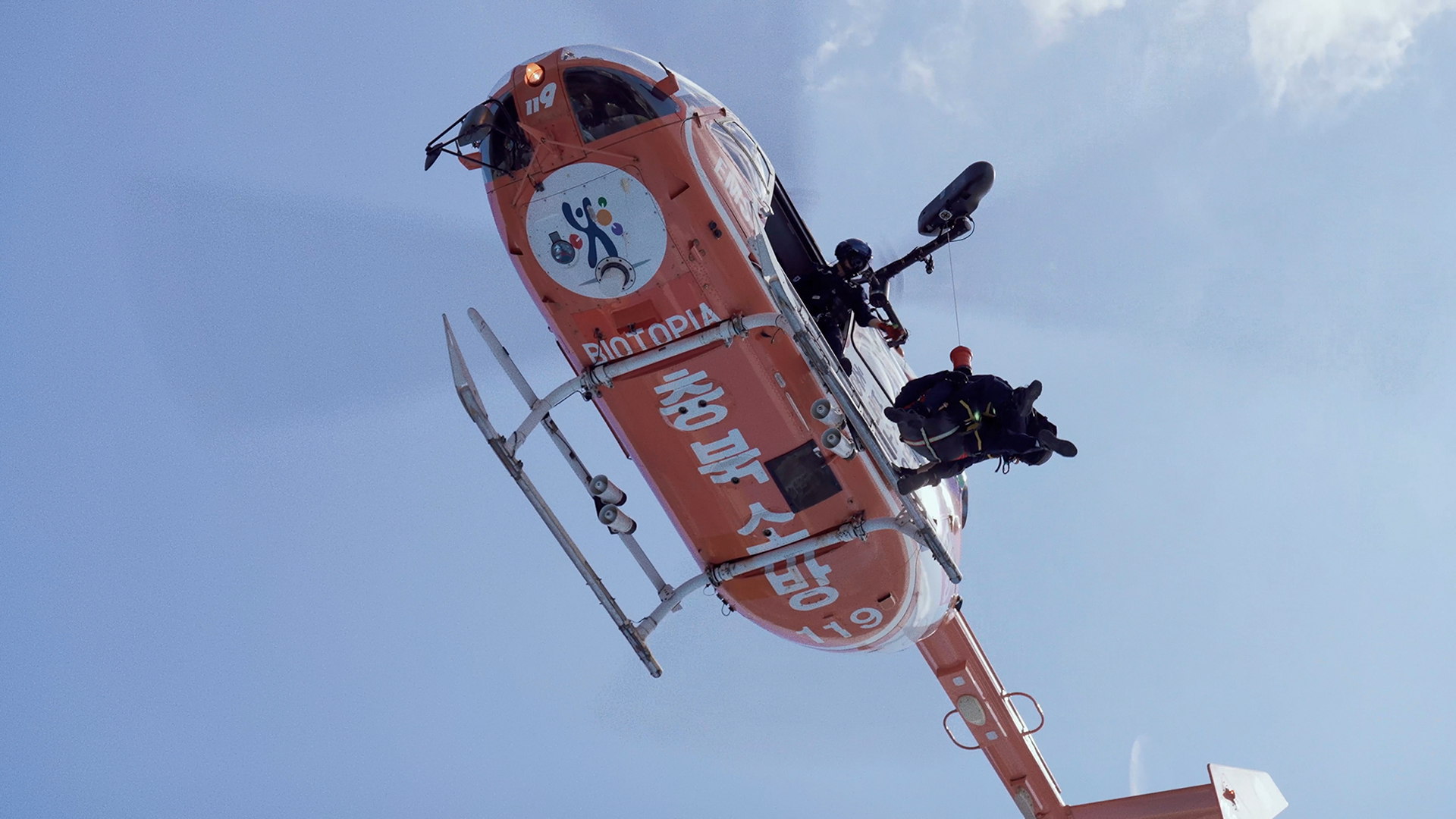
The purpose of the simulation is to develop the skills needed to respond quickly to any patient who arrives. The Chungbuk 119 Special Response Team, participating in the drill, practices “helicopter hoist” rescue operations, in which a rope is lowered from a helicopter to lift a person. This is because, at disaster sites where ground access is cut off, rescue operations must be conducted from the air.
-
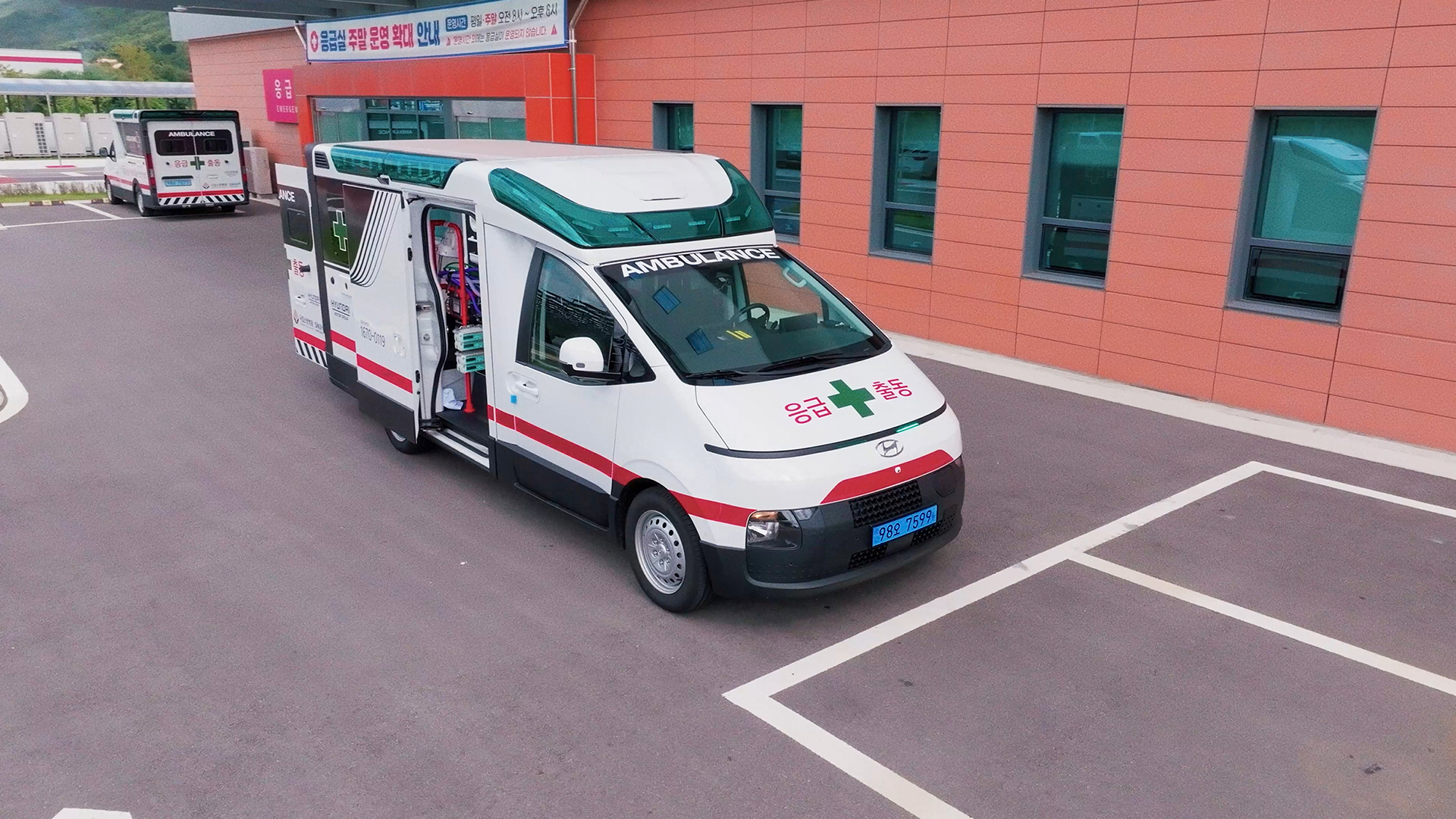
Specialized ambulance based on the ST1 -
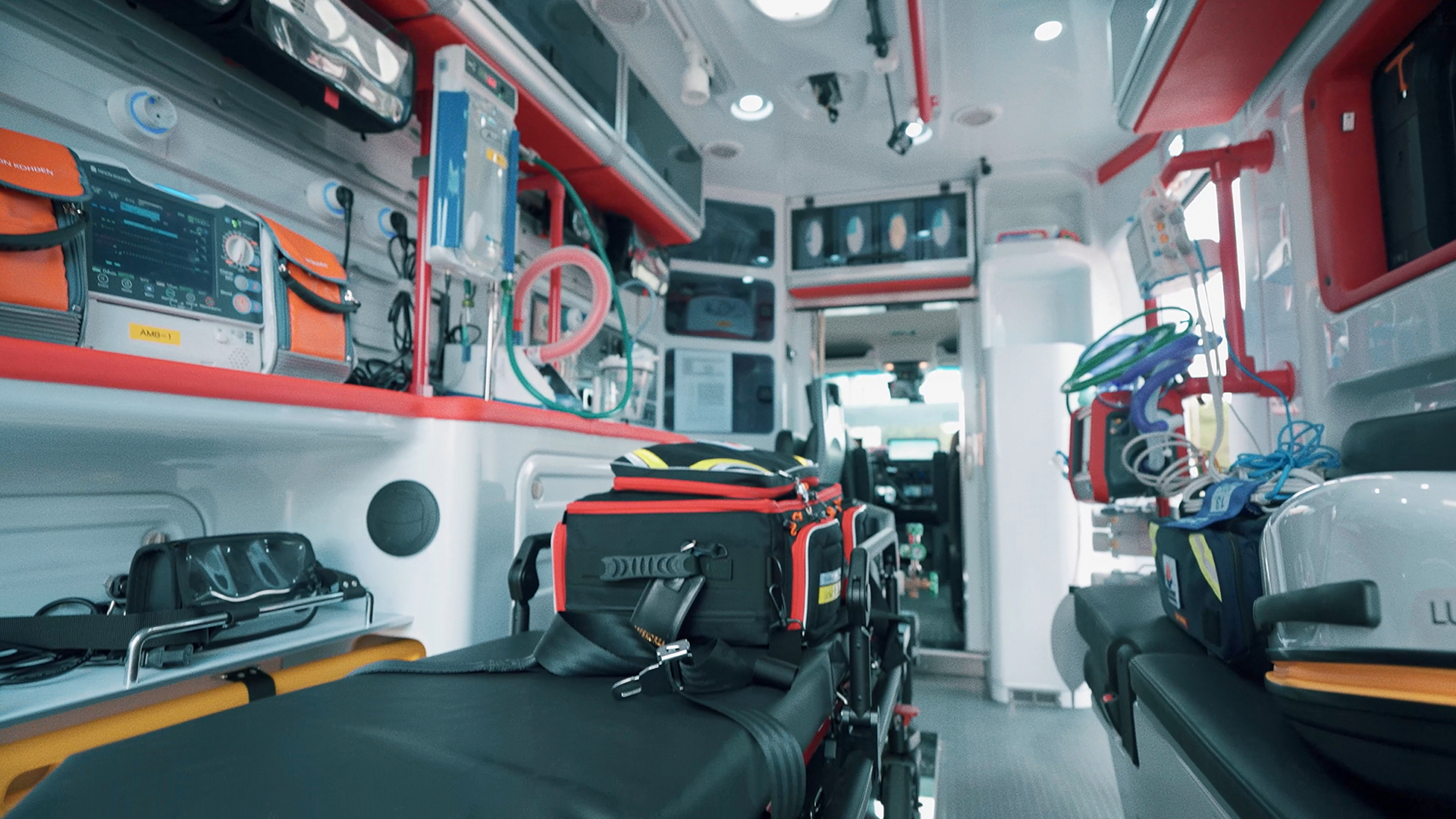
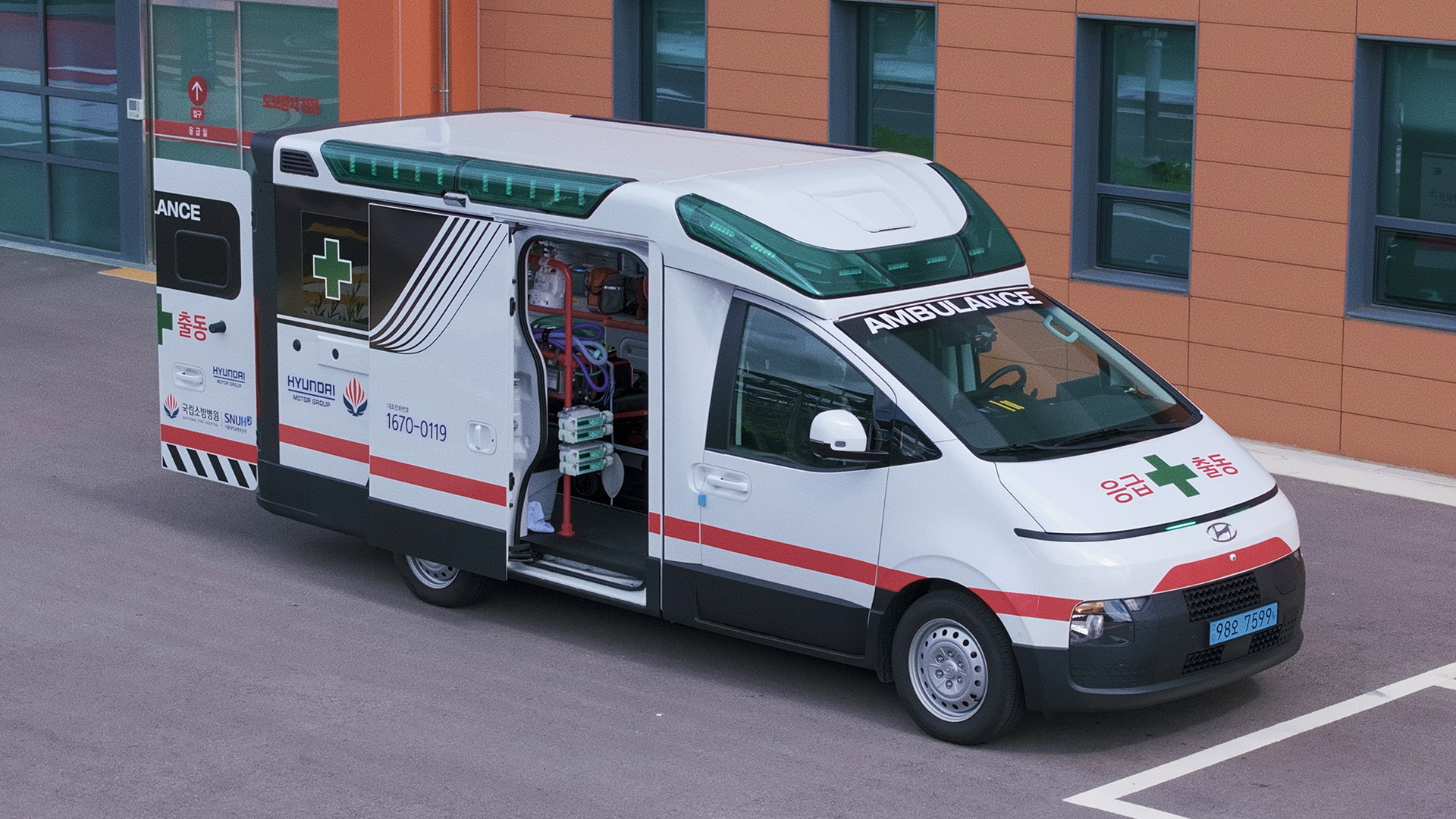
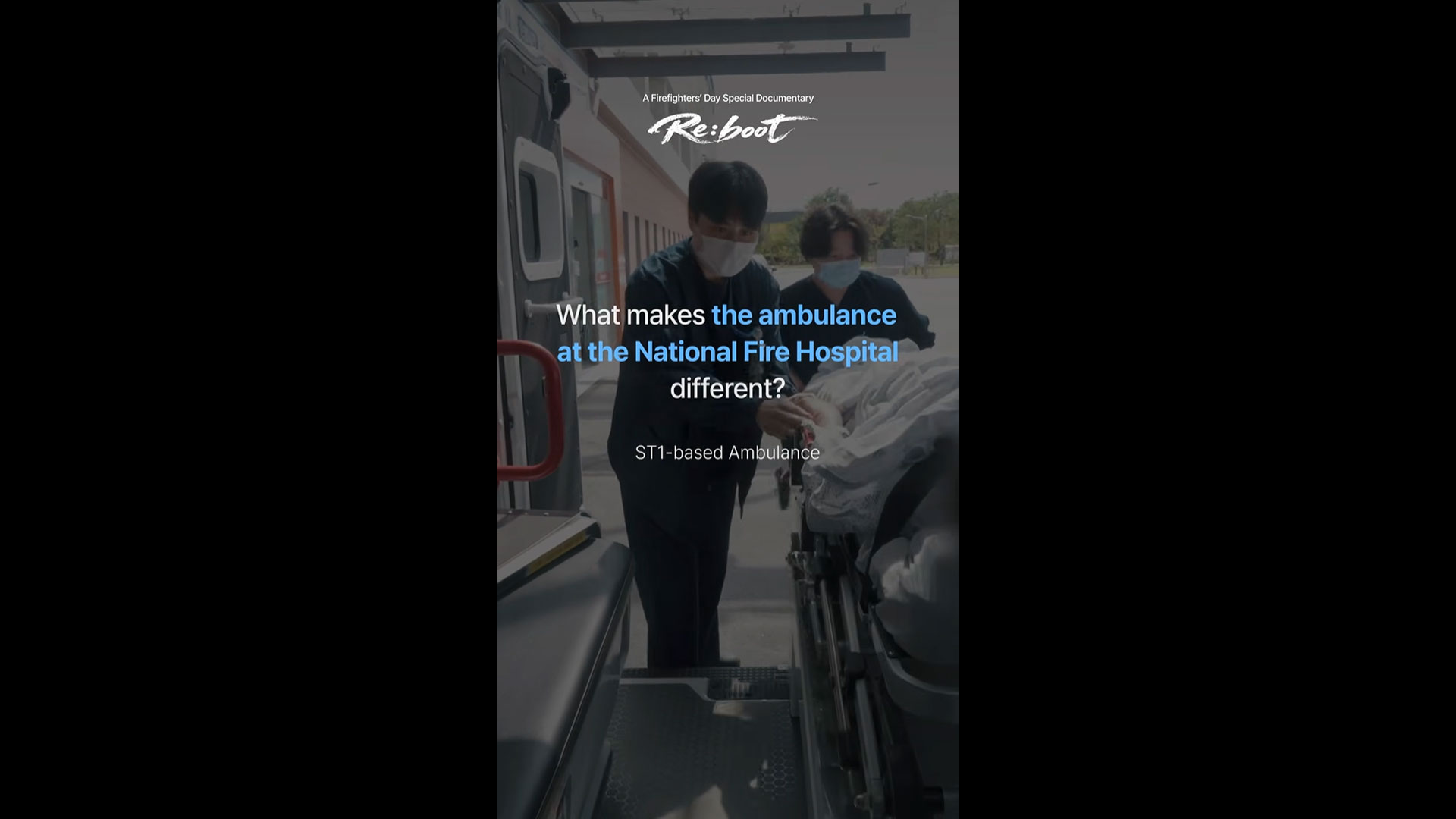
While helicopters handle air transport, it is the ambulance’s role to transport patients from the scene to the hospital via road. At NFH, two “ST1-based ambulances” donated by Hyundai Motor Group fulfill this role.
The ST1-based ambulance is a vehicle modified from Hyundai Motor’s ST1 for patient transport and emergency care, and it already meets the standards of the revised Emergency Medical Service Act (often referred to as the “Ambulance Act”), which takes effect on April 2, 2027. Built on Hyundai Motor’s Purpose-Built Vehicle (PBV) platform—which allows the interior space to be tailored to specific applications—the ambulance is fully outfitted with vital medical equipment optimized for emergency care. Its overall length is 5,975 mm, 350 mm longer than the ST1 Cargo. Additionally, it features an 855 mm long emergency treatment area—more spacious than that of existing ambulances—enabling a level of care inside the vehicle that is comparable to that received in a hospital.
The ST1-based ambulance also offers enhanced responsiveness during transport. Its walk-through door provides the driver and seated passengers up front direct access to the patient compartment, allowing additional crew members to immediately assist with treatment in the event of an emergency. The patient compartment is equipped with removable mounting rails for medical devices, so equipment configuration can be adjusted to accommodate the scene and the patient’s condition. The low floor height and ample headroom make it easy to load and unload patients.
Patients can receive care promptly thanks to ST1-based ambulances that enable treatment during transport and helicopters that drastically cut the time needed to transport them. Hyundai Motor Group has also applied its technology to in-hospital treatment and rehabilitation to ensure that those whose lives are saved at disaster sites can ultimately experience full recovery.
X-ble MEX: Helping Patients Take Their First Steps Again and Walk Independently
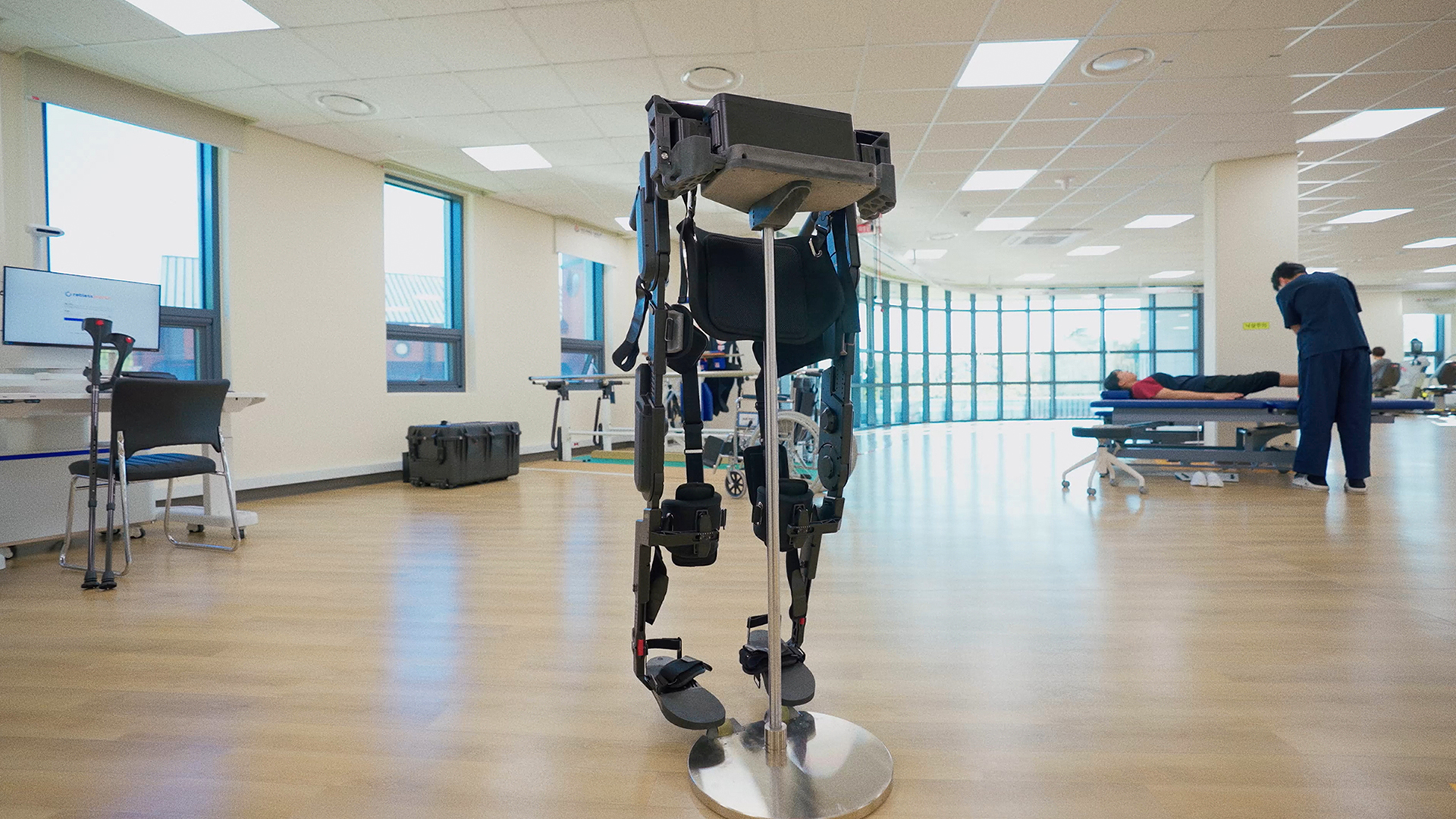
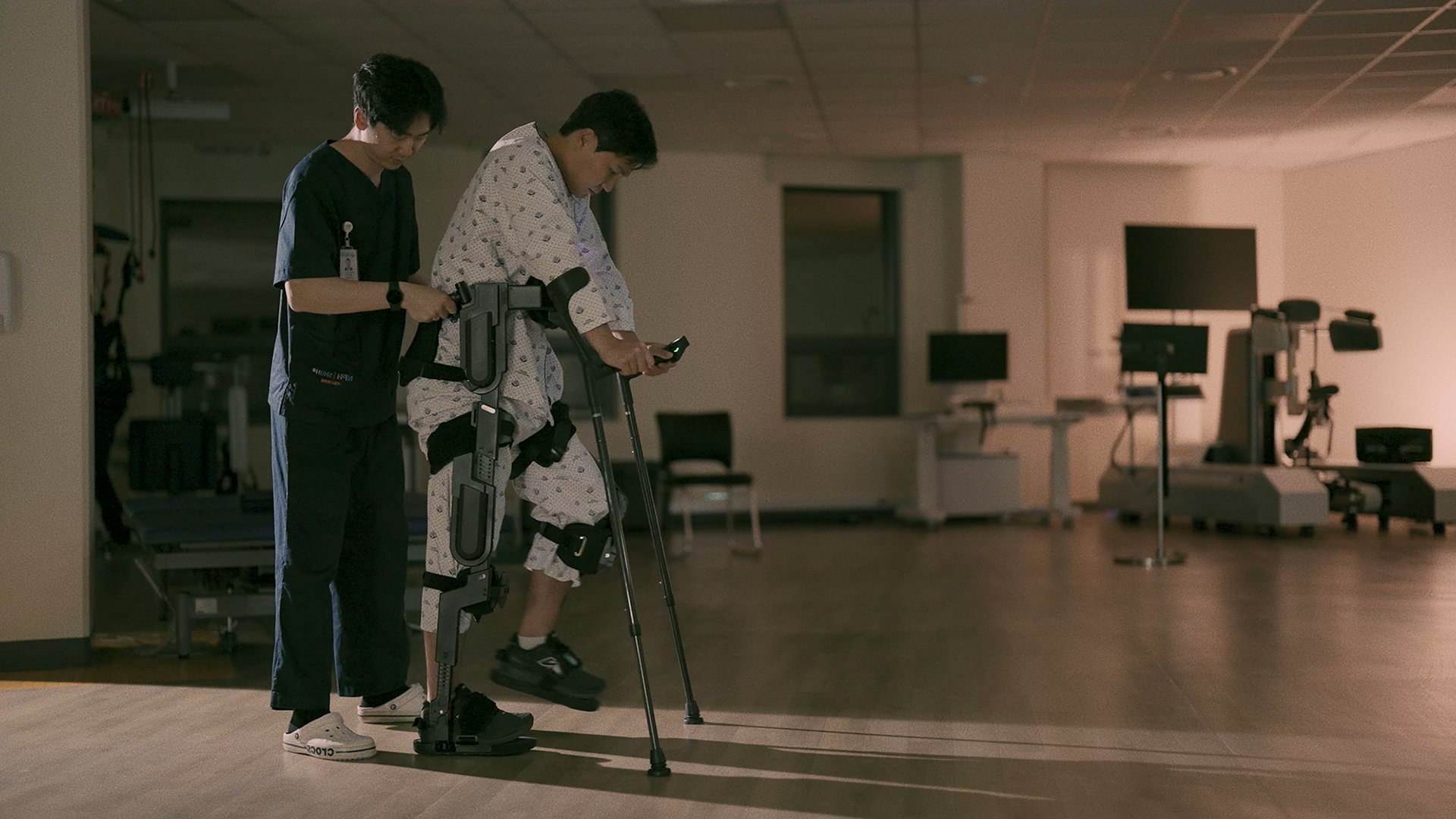
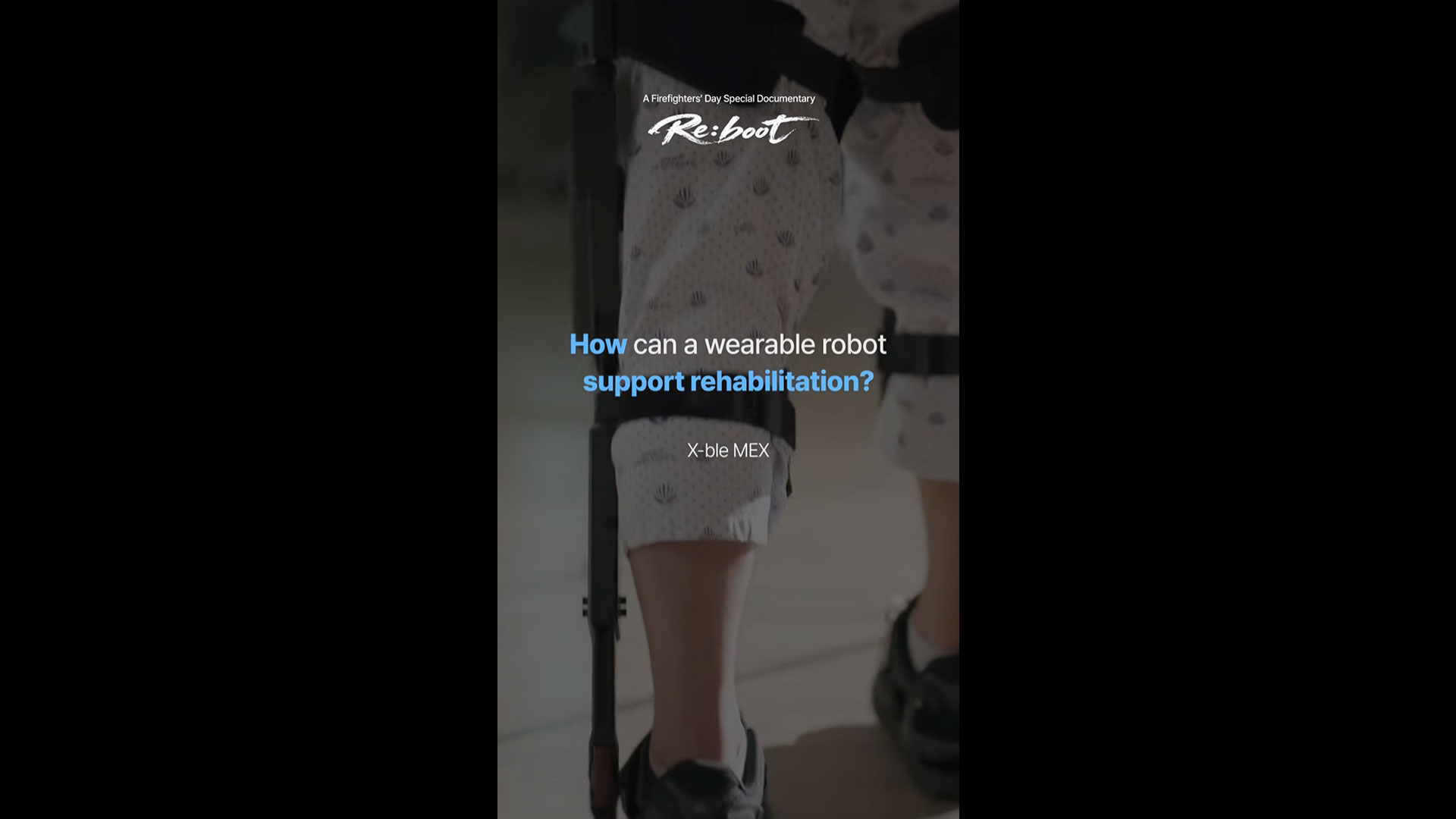
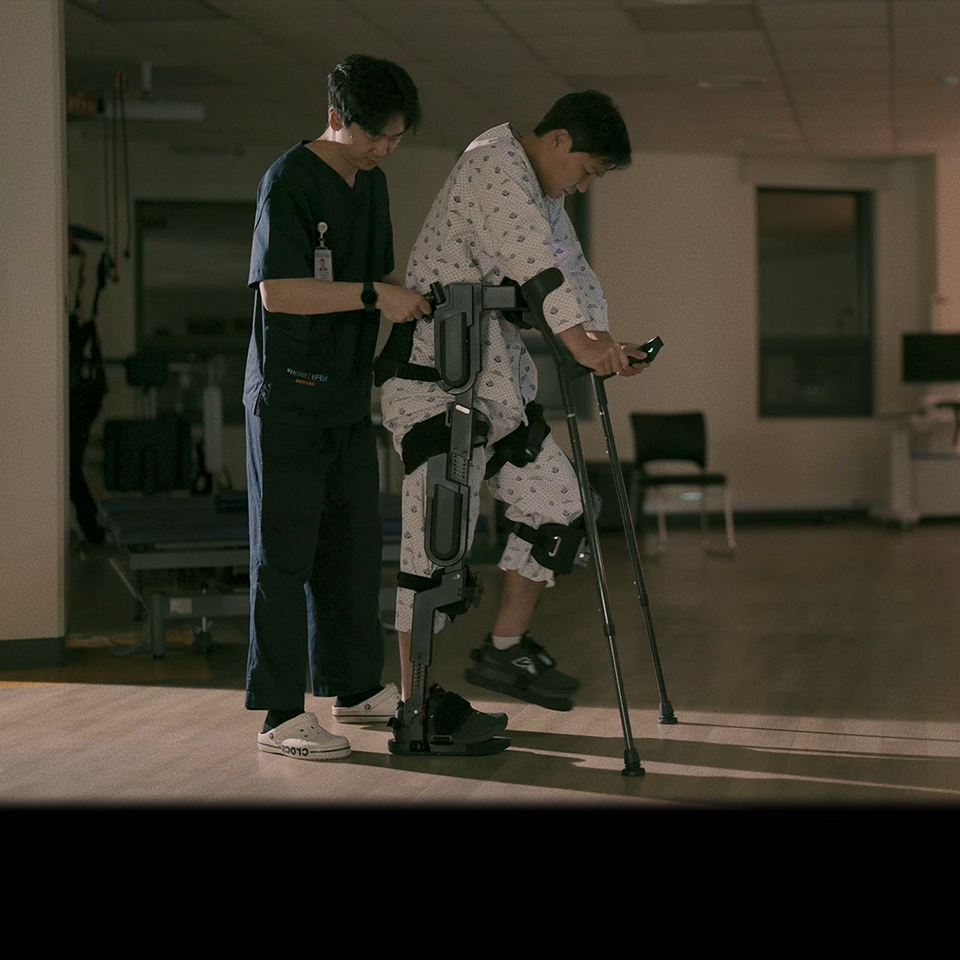
In hospital rehabilitation therapy rooms, the “X-ble MEX,” a wearable gait rehabilitation robot developed in-house by Hyundai Motor Group’s Robotics LAB, helps firefighters return to duty. X-ble MEX is a medical wearable robot designed to help restore lower-limb muscle strength and joint mobility. It supports a variety of movements such as walking, standing, sitting, climbing and descending stairs, and turning left and right.
Since rehabilitation requires consistent, long-term effort, the patient’s determination is paramount. Unlike conventional rehabilitation devices that require passive repetition of set movements in a fixed position, X-ble MEX enables even patients in wheelchairs to walk and rehabilitate on their own, fostering more active participation.
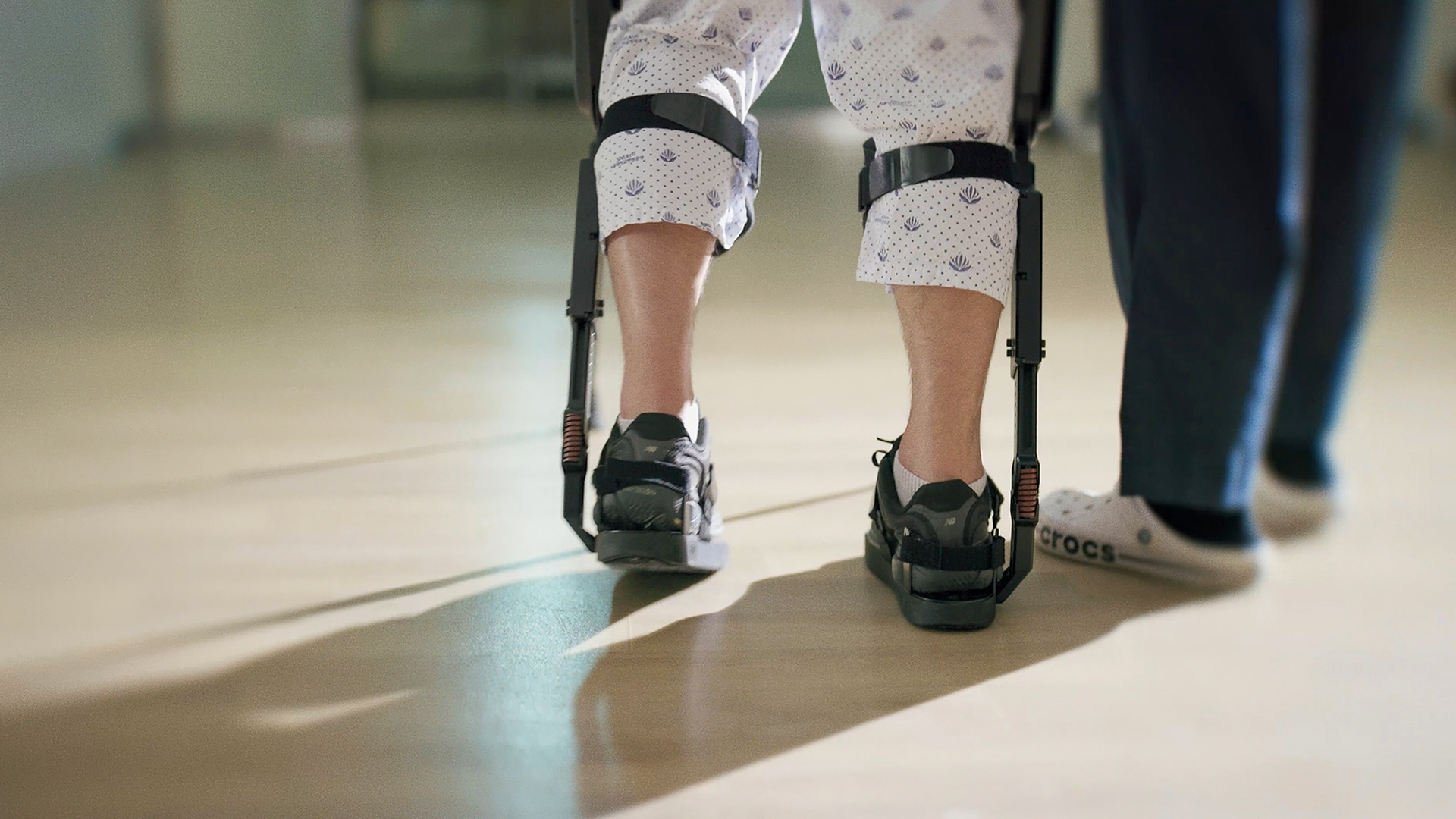
Designed to wrap around the user’s legs and pelvis, this robot allows for section-by-section length adjustments to fit the wearer’s physical condition. It also enables changes to stride length and walking speed. In November 2025, it received Class III medical device approval from Korea’s Ministry of Food and Drug Safety, clearing it for use not only for patients with lower-body paralysis but also for stroke patients and others who have difficulty walking on their own and need gait rehabilitation.
Besides the two ST1-based ambulances, three rehabilitation robots, including the X-ble MEX, Hyundai Motor Group is helping firefighters return to their jobs and normal lives by donating a hyperbaric oxygen therapy unit, two mental health treatment devices, and one cardiopulmonary rehabilitation exercise testing device. The documentary “Re:boot” shows all of these devices in use as it chronicles the firefighters’ treatment and recovery process.
The First Specialized Hospital for Firefighters
Until now, there has been no specialized hospital for those who are often the first responders to scenes of disaster—firefighters. Injured firefighters had to receive treatment at general hospitals. NFH operates around four specialized centers tailored to the specific needs of the firefighters in its care: the Integrated Rehabilitation Center, Burn Center, Mental Health Center, and Health Promotion Center. Yoonsoo Cho, Director of the Integrated Rehabilitation Center at NFH, explains the need for the hospital as follows.

“I believe the primary reason a hospital is needed for firefighters is the difference in how well their work is understood. The scenes firefighters encounter are far more dangerous than we realize.”
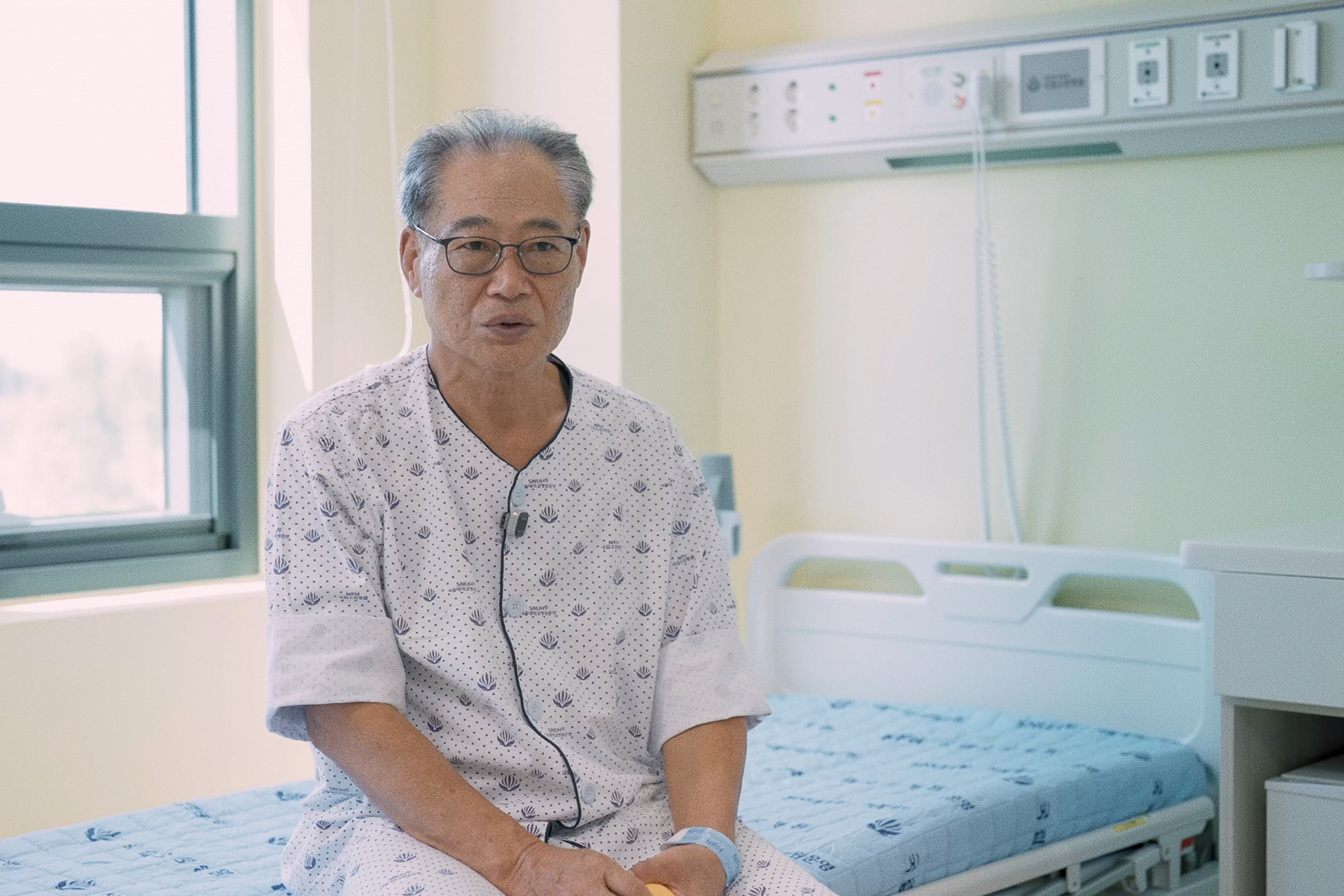
The care provided by NFH extends beyond active-duty firefighters. The hospital also treats firefighters who have left the service. Jaecheon Lee, who retired after 28 years as a firefighter, is undergoing speech therapy and rehabilitation here after suffering a stroke. When he first arrived at the hospital, he relied on a cane, but after rehabilitation sessions, he began walking without it.
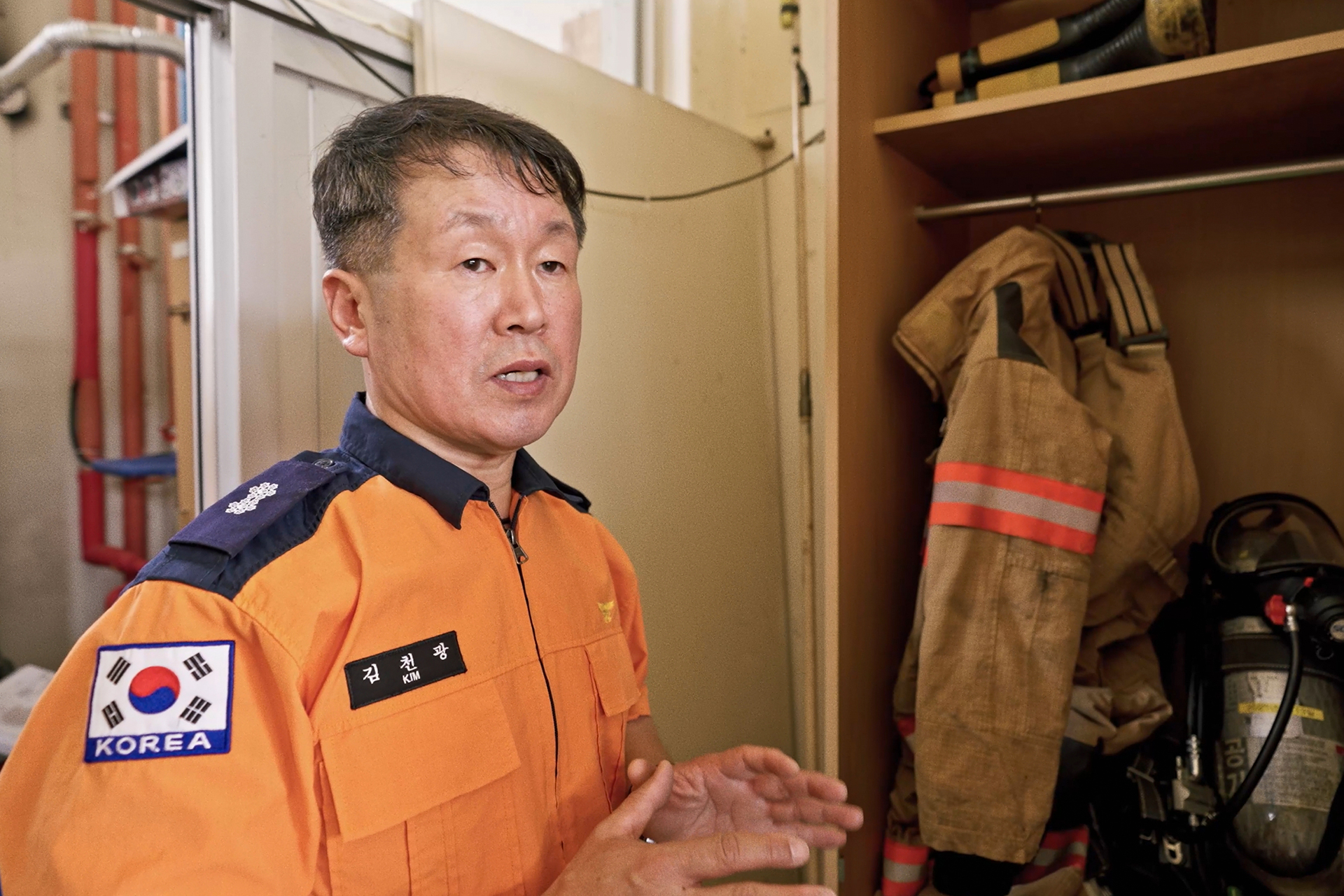
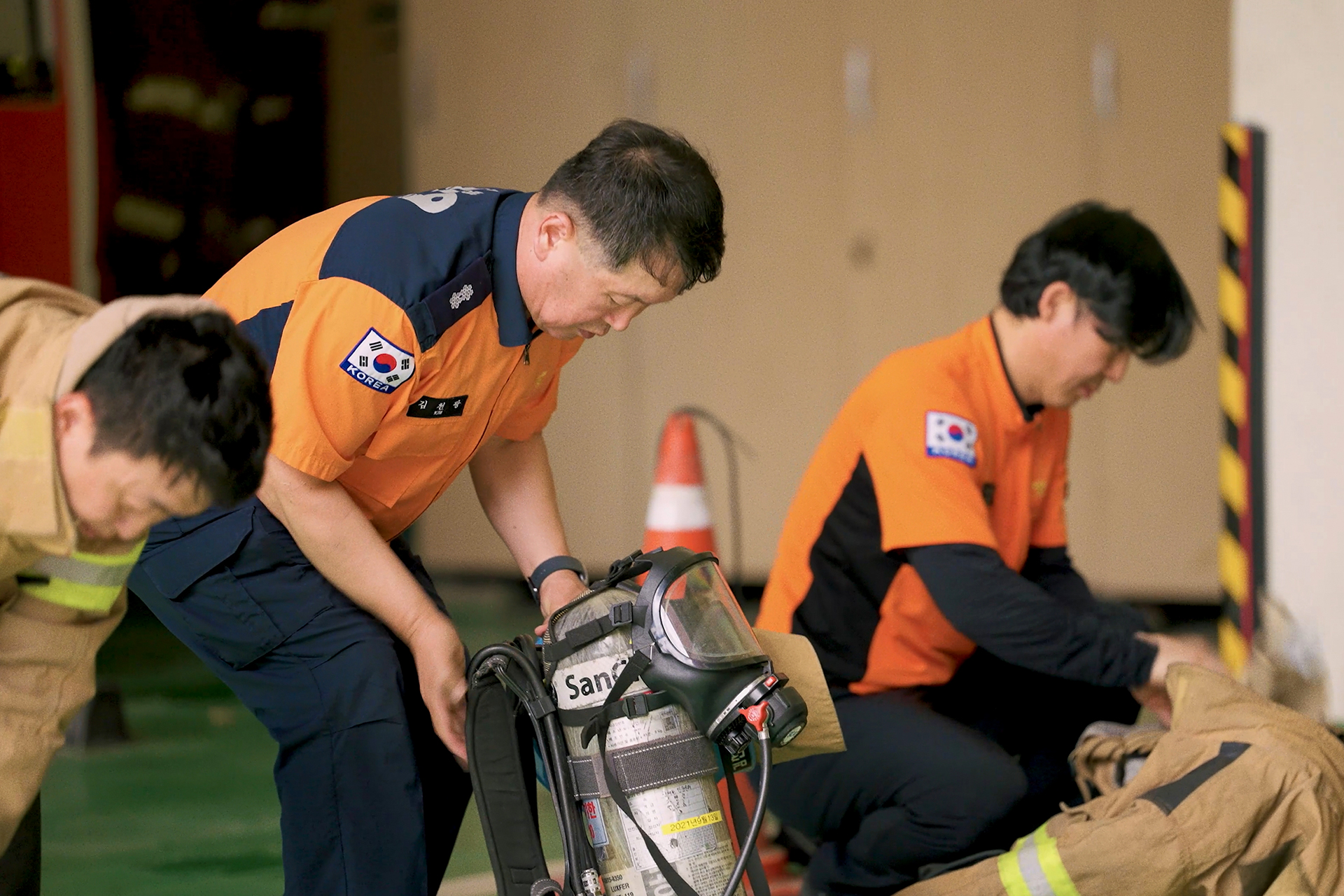
Physical injuries are only one component of the care. Cheongwang Kim, Chief of the Gwanghyewon 119 Safety Center in Jincheon, North Chungcheong Province, is one year away from retirement and recalls that the people he was unable to save from the flames still haunt his thoughts. He responded to a massive fire at a nearby construction materials factory last August. Although he suffers from wrist pain and plantar fasciitis due to long hours on the job, what lingers with him even longer are the memories of those he could not save. He says the image of a resident trapped inside a burning house is still vivid in his mind.
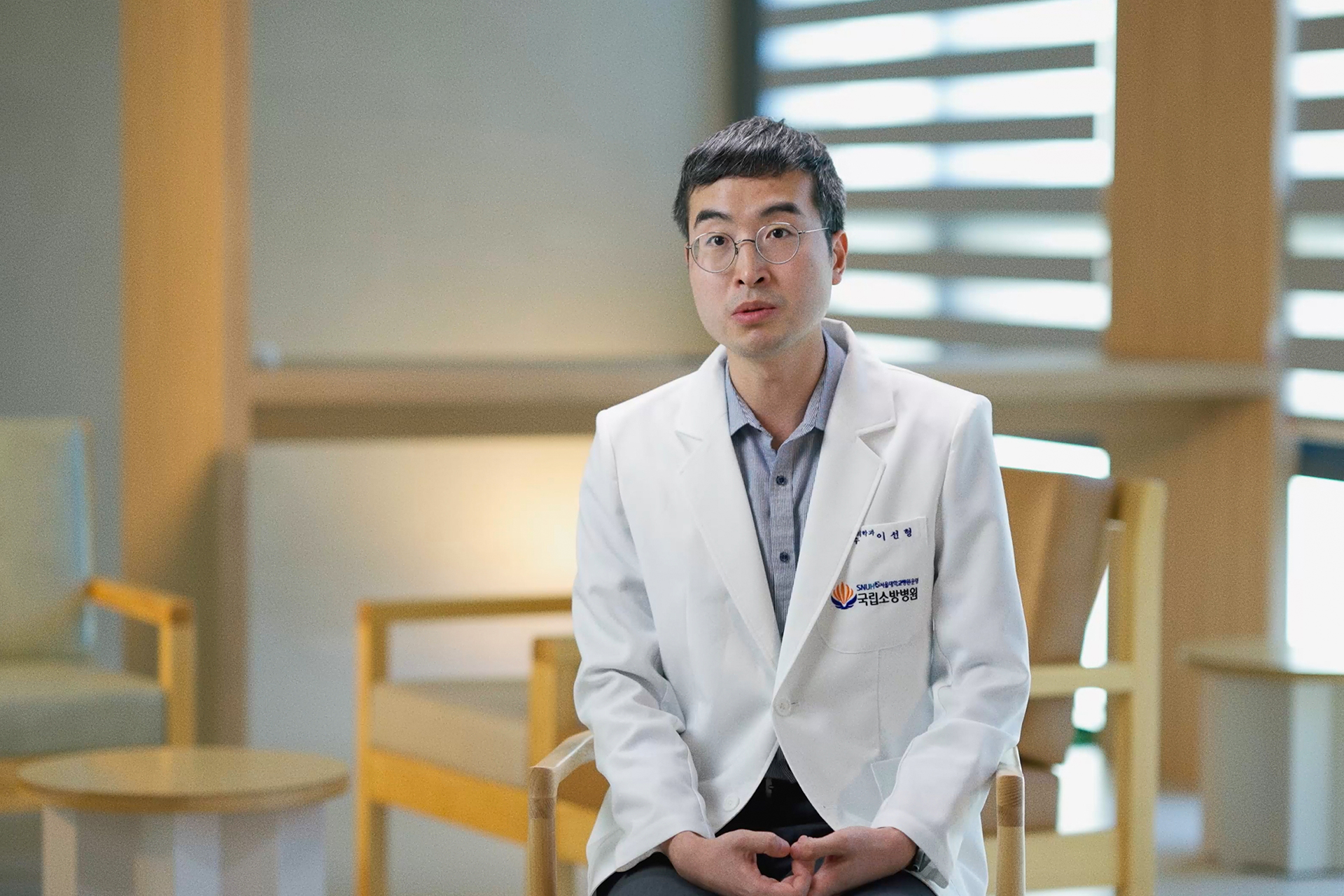
Seonhyeong Lee, Director of the Mental Health Center at NFH, explains that since firefighters repeatedly encounter scenes of fatal accidents or severe trauma—experiences that most people might face only once in a lifetime, if at all—it is inevitable that they have a high prevalence of post-traumatic stress disorder. He emphasizes that this is not a matter of individual vulnerability but a structural issue requiring attention due to the nature of their work. The hospital is also using two mental health treatment devices donated by the Group to aid firefighters in their psychological recovery.
A Place Where Firefighters Are Evaluated Prior to Returning to the Field
Since the physical strain on the body increases significantly when firefighters are in full gear with their suits, hoods, helmets, and other equipment, they must undergo a separate assessment—apart from treatments such as surgery and rehabilitation—to determine whether their physical condition allows them to endure the demands of work out in the field.
In the documentary, the return-to-duty assessment process is observed being performed on Hyeokgyu Kwon, a firefighter at the Geumwang 119 Safety Center in Eumseong, North Chungcheong Province. He had injured his left elbow while hauling a 120-kg load from a height equivalent to five stories. Although he received treatment at a nearby hospital, his condition worsened, leading to surgery in January of this year. At the time of filming, his rehabilitation at NFH had progressed to the point of examinations to determine his fitness to return to duty.
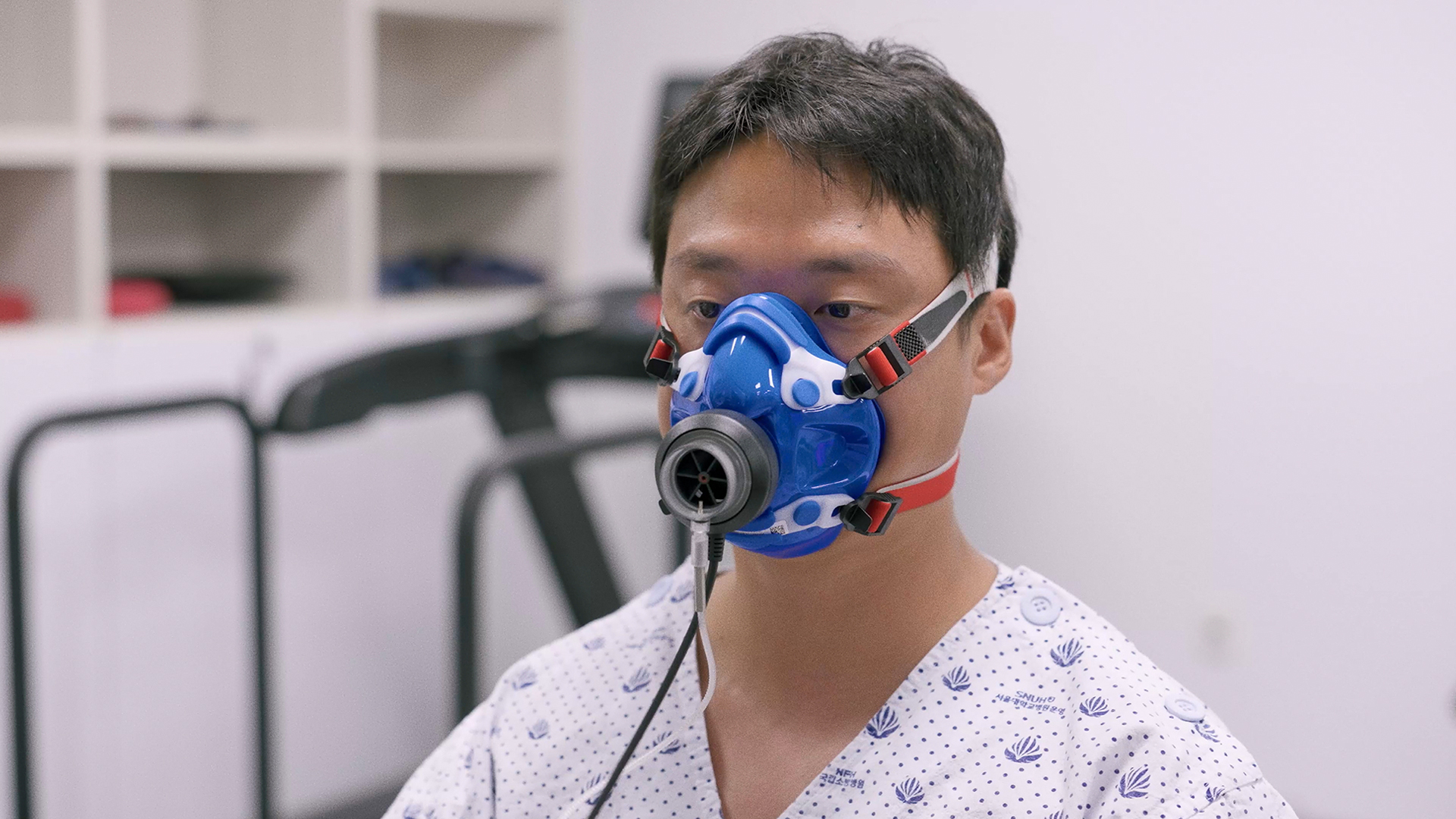
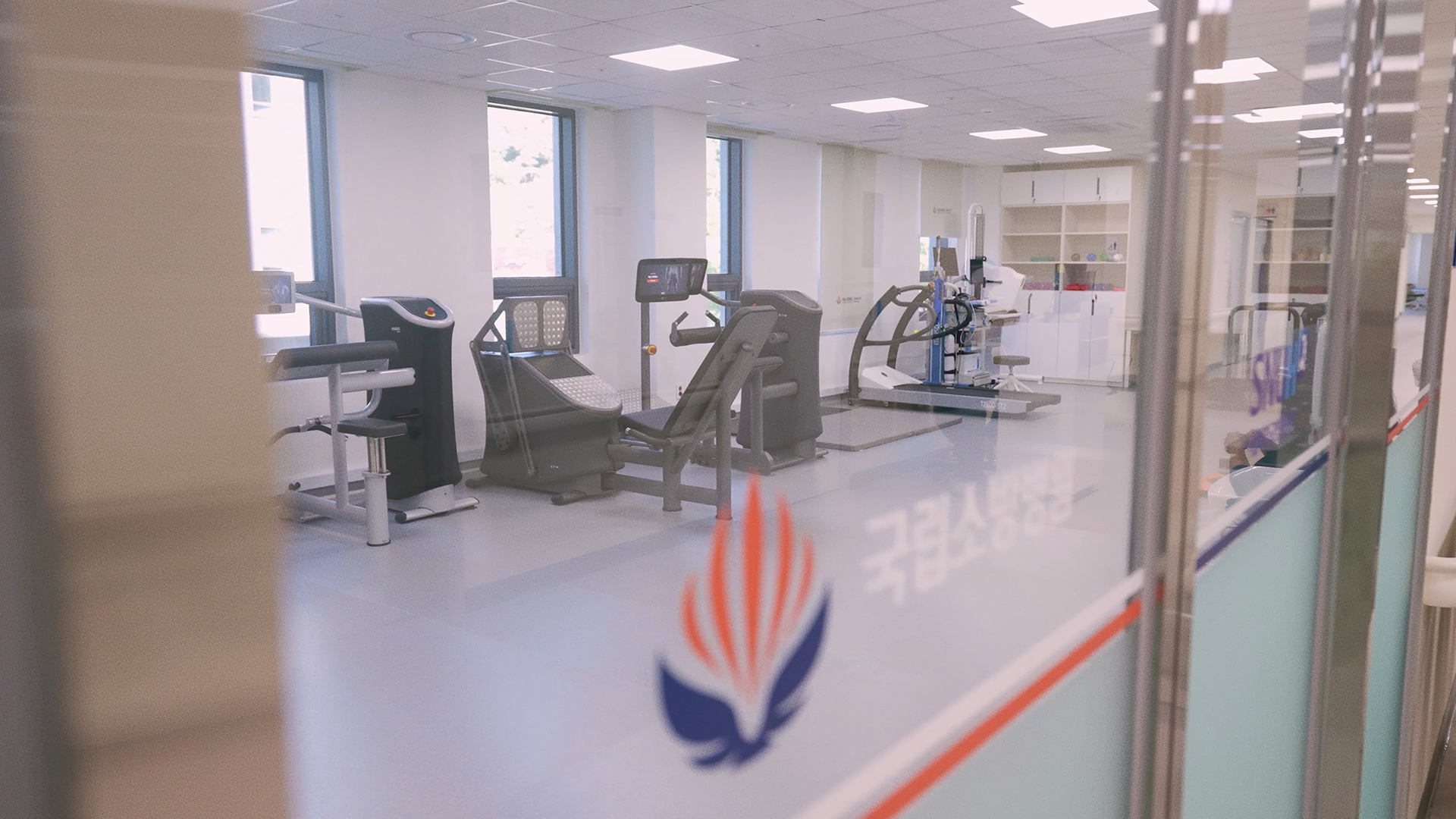
The specific test on camera is being conducted in the Functional Optimization Room. Here, treatment focuses on a return to duty, and staff assess whether the patient will be able to perform their regular duties safely. Firefighter Hyeokgyu Kwon is undergoing an exercise stress test—using cardiopulmonary rehabilitation equipment donated by Hyundai Motor Group. As the test progresses, the incline and speed increase. Even during the test, as he became short of breath, his thoughts turned to his colleagues.
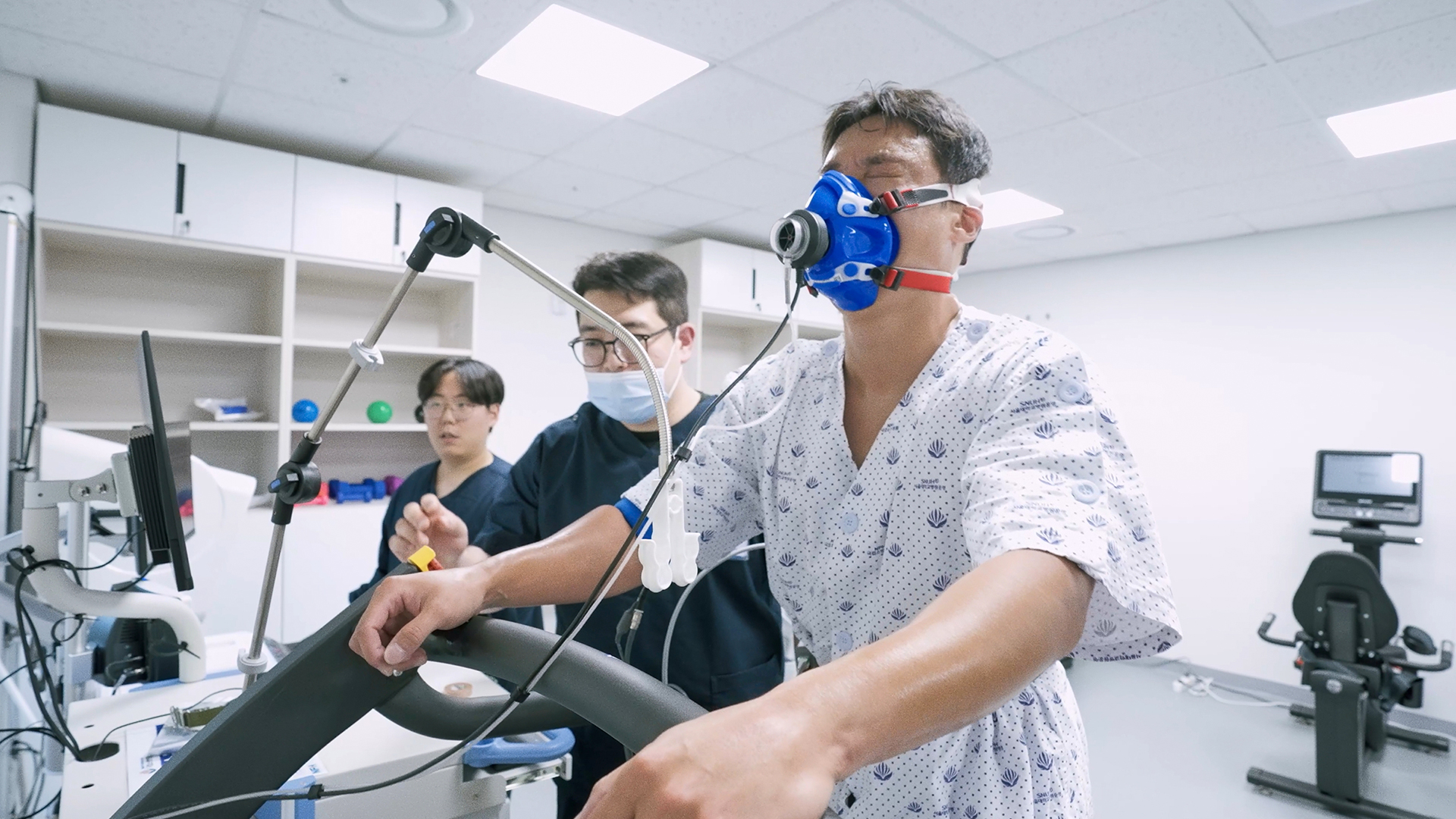
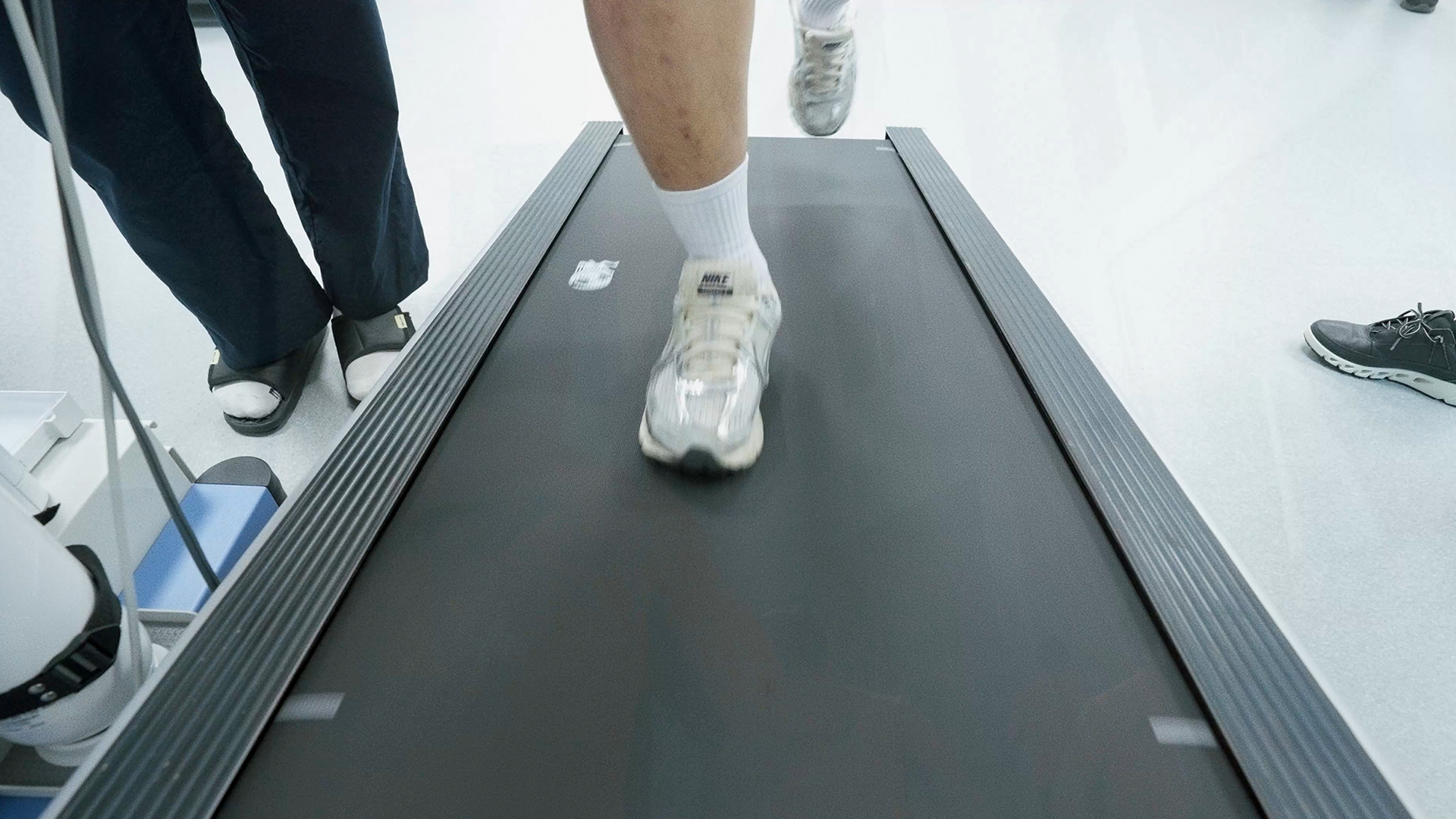
“If I’m out of the picture, someone has to fill my spot, and once someone fills it, then someone else has to fill theirs. I think I worked hard at my treatment with that mindset.” Through technology, Hyundai Motor Group expresses its gratitude to and support for the firefighters striving through treatment to return to their colleagues’ sides.
Continuous Support: From the Accident Site to the Hospital
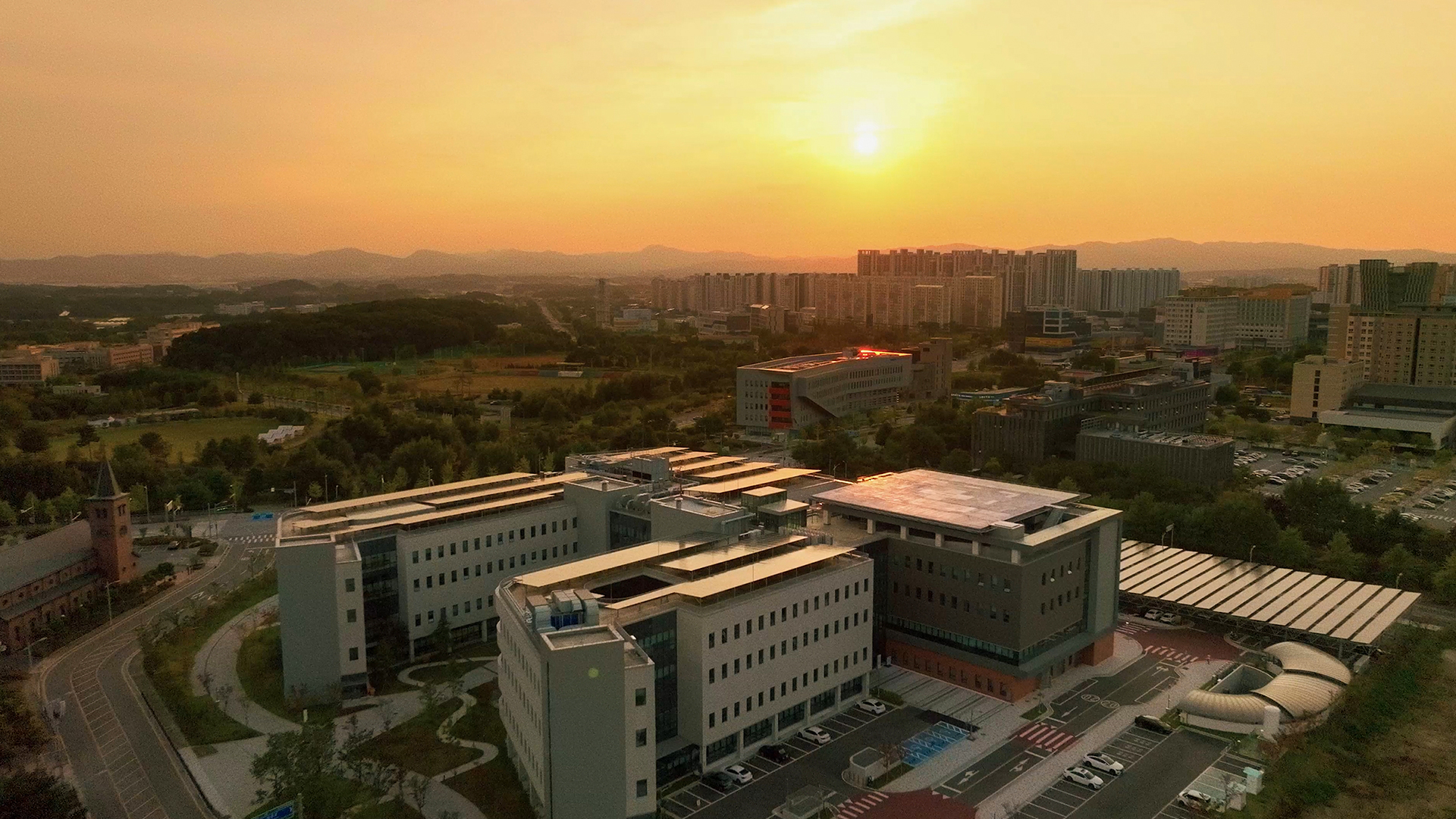
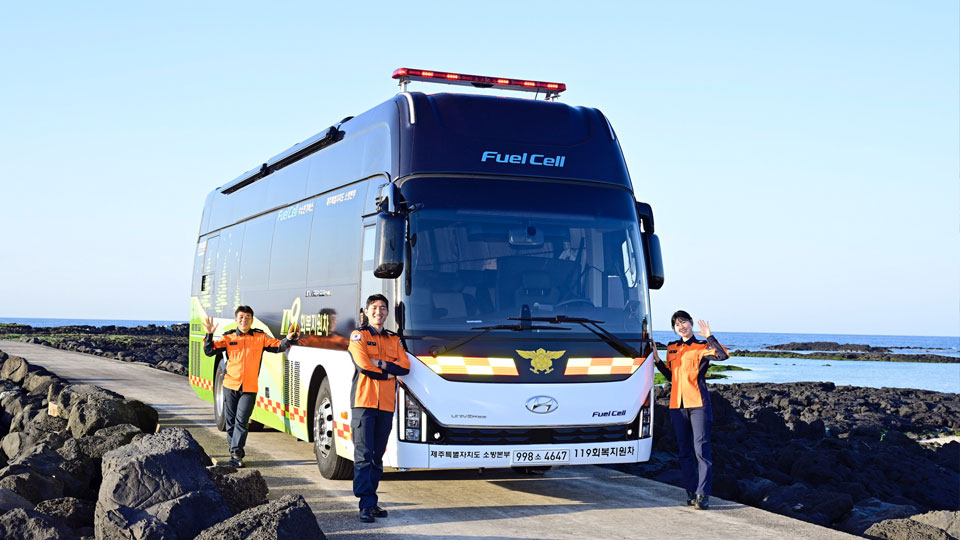
The video concludes with a scene outside the hospital. Hyundai Motor Group has been actively supporting firefighters on the front lines in collaboration with the Korea National Fire Agency. To ensure firefighters deployed for extended periods at disaster sites can rest and recharge adequately, the Group has been donating “Hydrogen Fuel Cell Support Buses”—modified versions of the Hyundai Universe Mobile Office model—since 2023.
These mobile recovery stations use a hydrogen fuel cell system to supply the power needed for interior heating and cooling, providing a comfortable rest area for firefighters who have battled flames in extreme environments filled with harmful dust and gases. In addition to comfortable seating and a meeting space, they are equipped with both high-pressure air and water guns to wash away any contaminants picked up in the course of fighting fires.
In 2024, Hyundai Motor Group extended support for firefighting by developing the “EV-Drill Lance.” This fire suppression device for electric vehicles drills through battery packs to spray water inside. The Group has donated 250 units to the National Fire Agency.
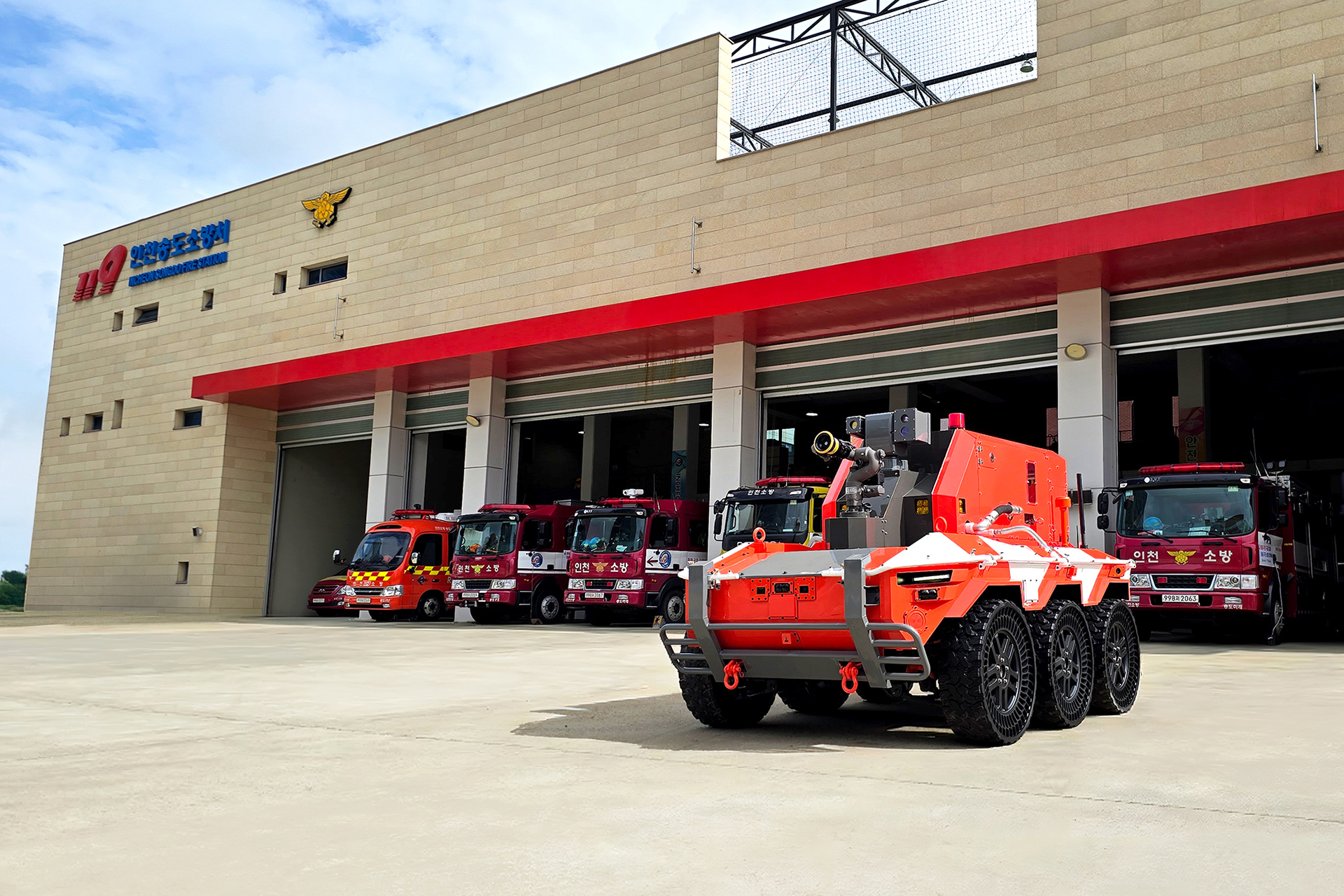
In February of this year, Hyundai Motor, Kia, Hyundai Rotem, and Hyundai Mobis donated four “Unmanned Firefighting Robots” developed in collaboration with the National Fire Agency. Based on Hyundai Rotem’s electrified multipurpose unmanned vehicle, the HR-Sherpa, these robots are equipped with water cannons, self-spraying systems, and vision-enhancing cameras. They are deployed first to scenes where human entry is difficult due to risks of collapse or explosion, extreme heat, or toxic gases. They can suppress fires remotely and search the scene, buying critical time while reducing firefighters' exposure to danger.
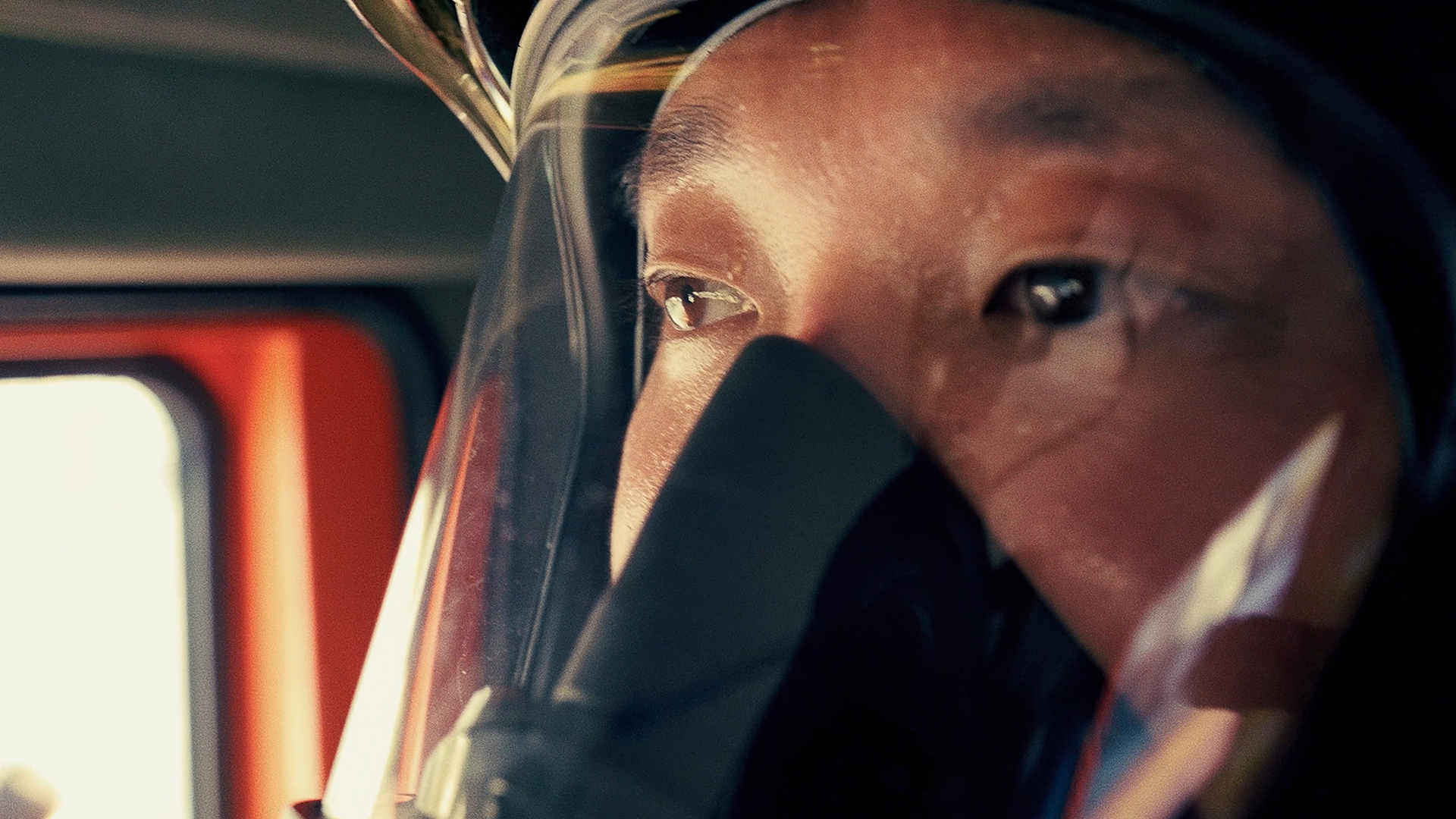
From safety at the scene of an emergency to on-site rest, treatment, and rehabilitation at hospitals, Hyundai Motor Group’s support is rooted in a sincere desire for the well-being and health of firefighters.
Those who rush into the flames and risk their lives to save strangers need a strong support system to sustain them every day. Hyundai Motor Group’s commitment to supporting the actions and health of firefighters on the front lines continues to help ensure their dedication never wanes.