- Series
Hyundai Motor Group’s Customized Technology Supporting Firefighters’ Recovery
- Hyundai Motor Group
- 2026-11-13
- 분량10min
- 조회수 256Views
AI summarized the main points
AI-generated summary. Please refer to the full article for precise details.
The National Fire Hospital (NFH), which opened in Eumseong, North Chungcheong Province, last June, is South Korea’s first comprehensive hospital specializing in firefighting-related services. It serves as a regional hub hospital, safeguarding the health of firefighters while also providing essential critical and emergency care as well as public health services to local residents. In particular, the hospital is dedicated to helping firefighters—who battle fires on the front lines to protect public safety—recover from injuries sustained during duty so they can safely return to their daily lives.
A typical day at the NFH is vividly captured in the “Re:boot” video released by Hyundai Motor Group on November 10. Based on a deep understanding of firefighters’ work environments—from patient transport via helicopters and ambulances to emergency treatment, symptom-specific rehabilitation training, and psychiatric counseling—the hospital delivers specialized care. To provide tangible support to injured firefighters and medical staff, Hyundai Motor Group has recently supplied the NFH with new robotics technology and mobility-based equipment.
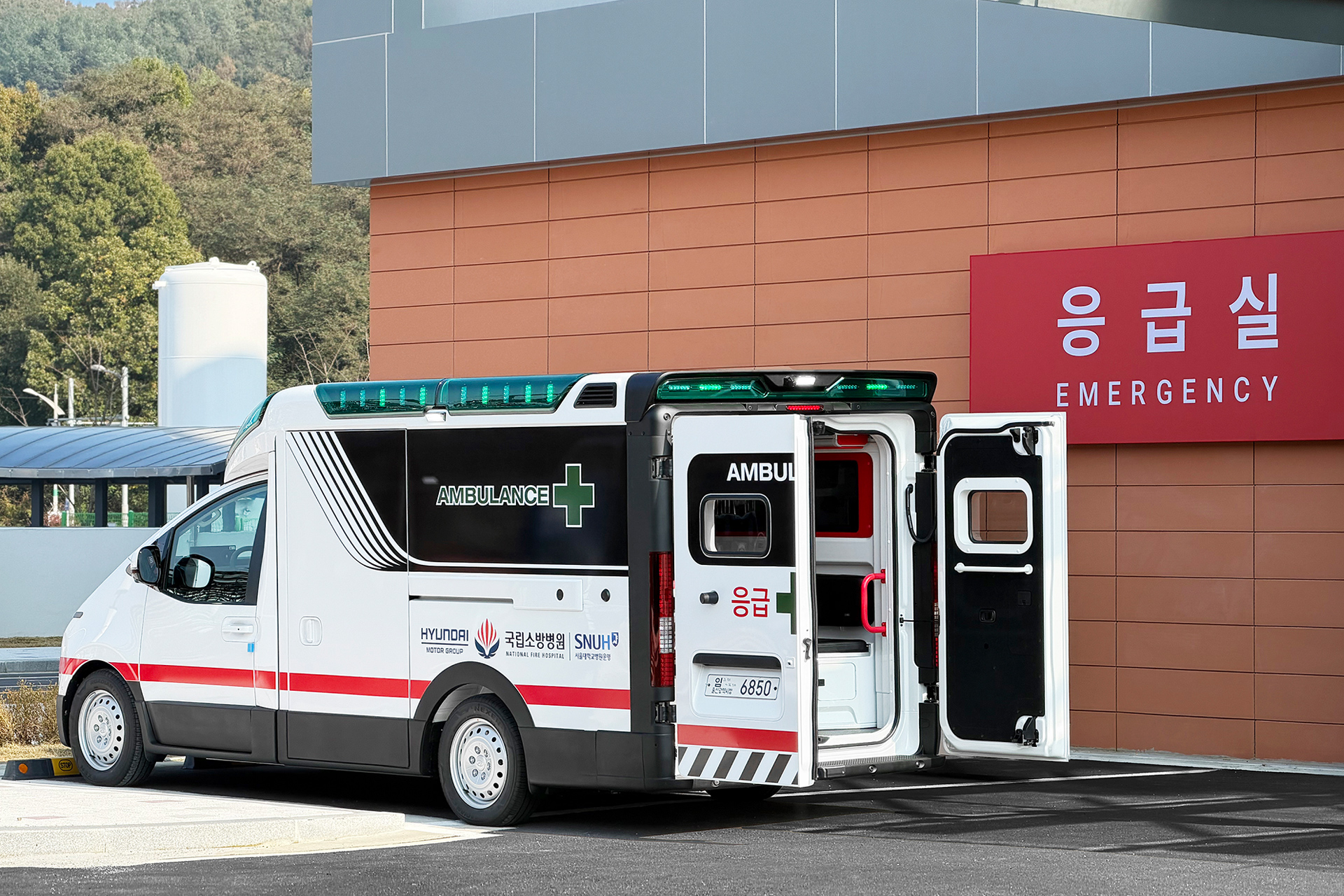
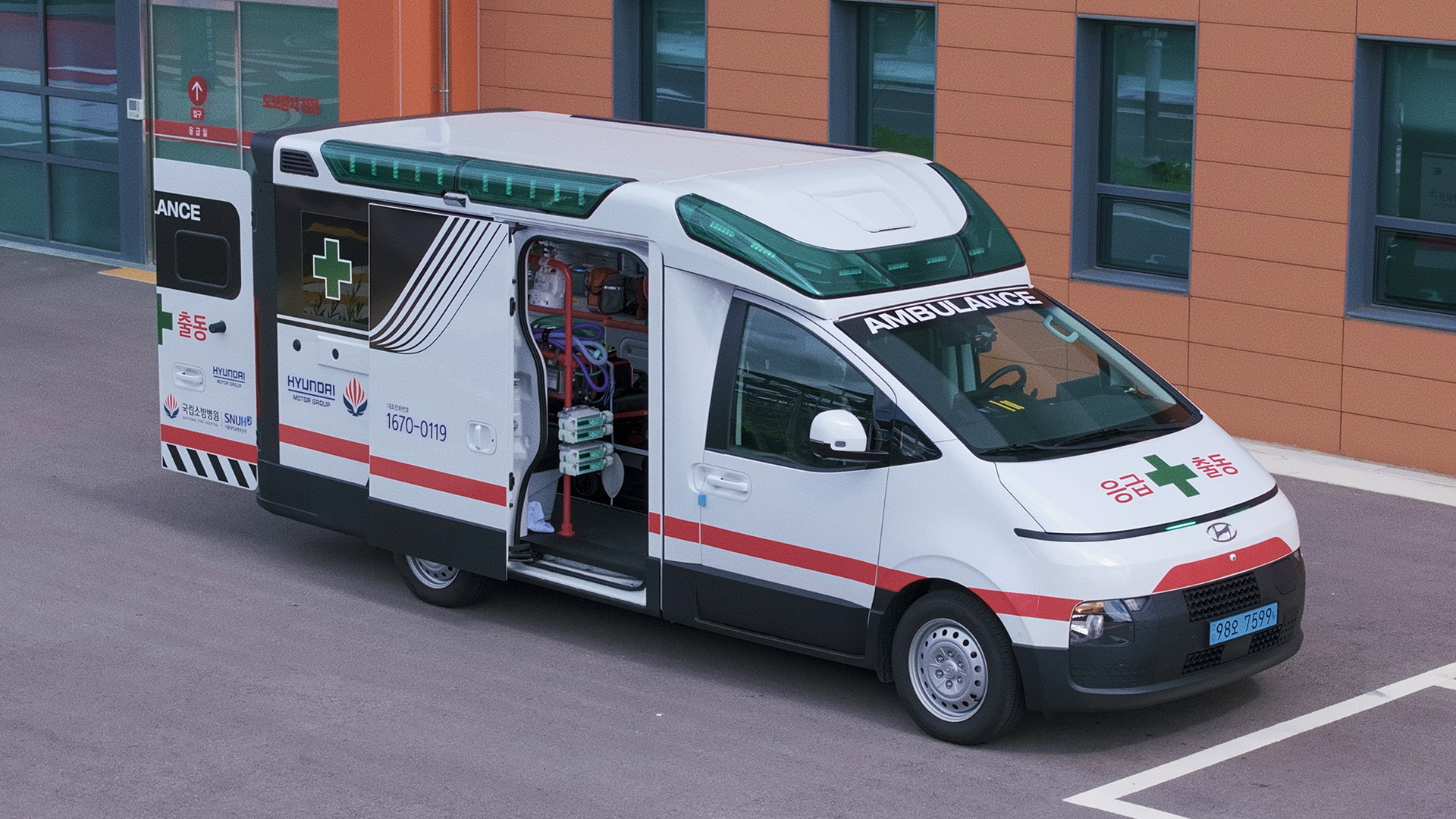
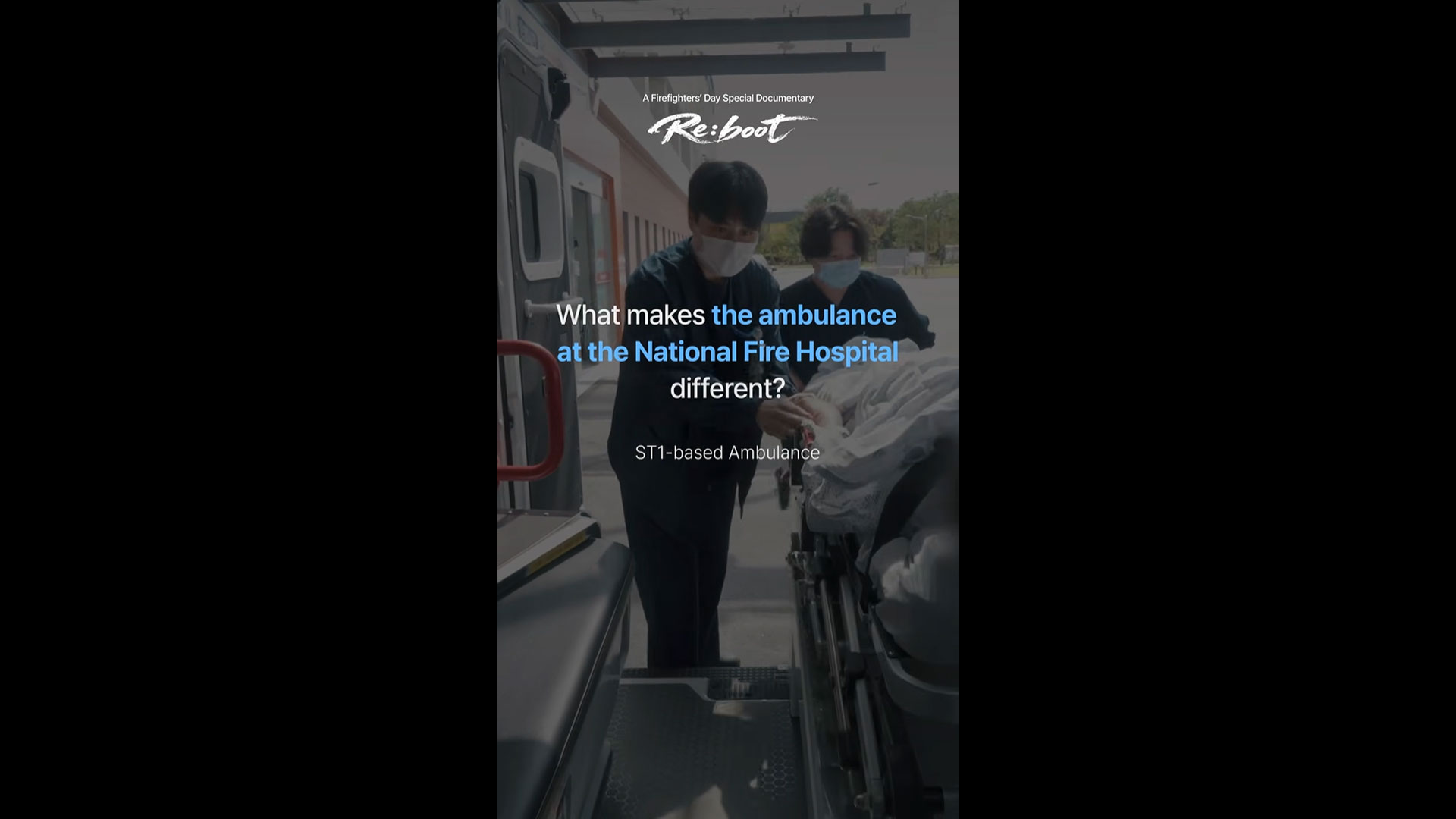
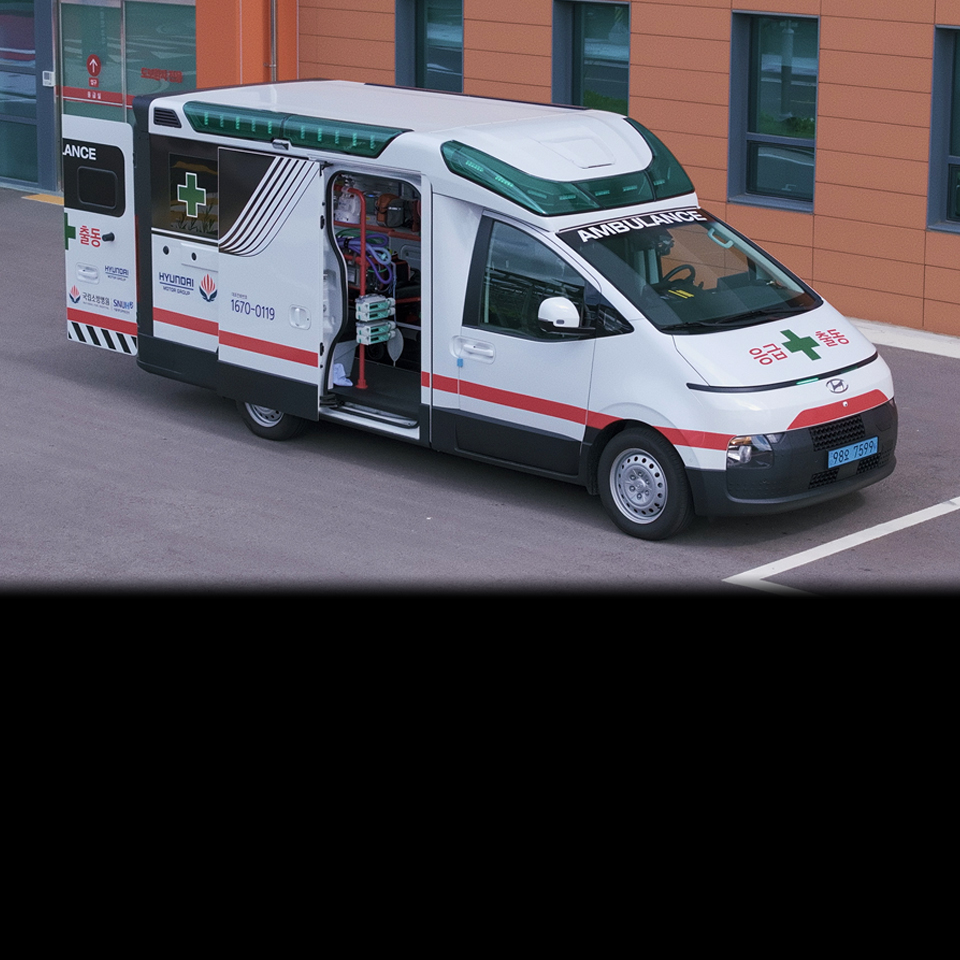
At the heart of this support are the “ST1-based ambulance” and the “X-ble MEX.” The ST1-based ambulance is a vehicle designed from the perspective of the medical staff who transport patients. It features a spacious interior that improves the convenience of administering first aid and maximizes space utilization by accommodating a variety of medical equipment.
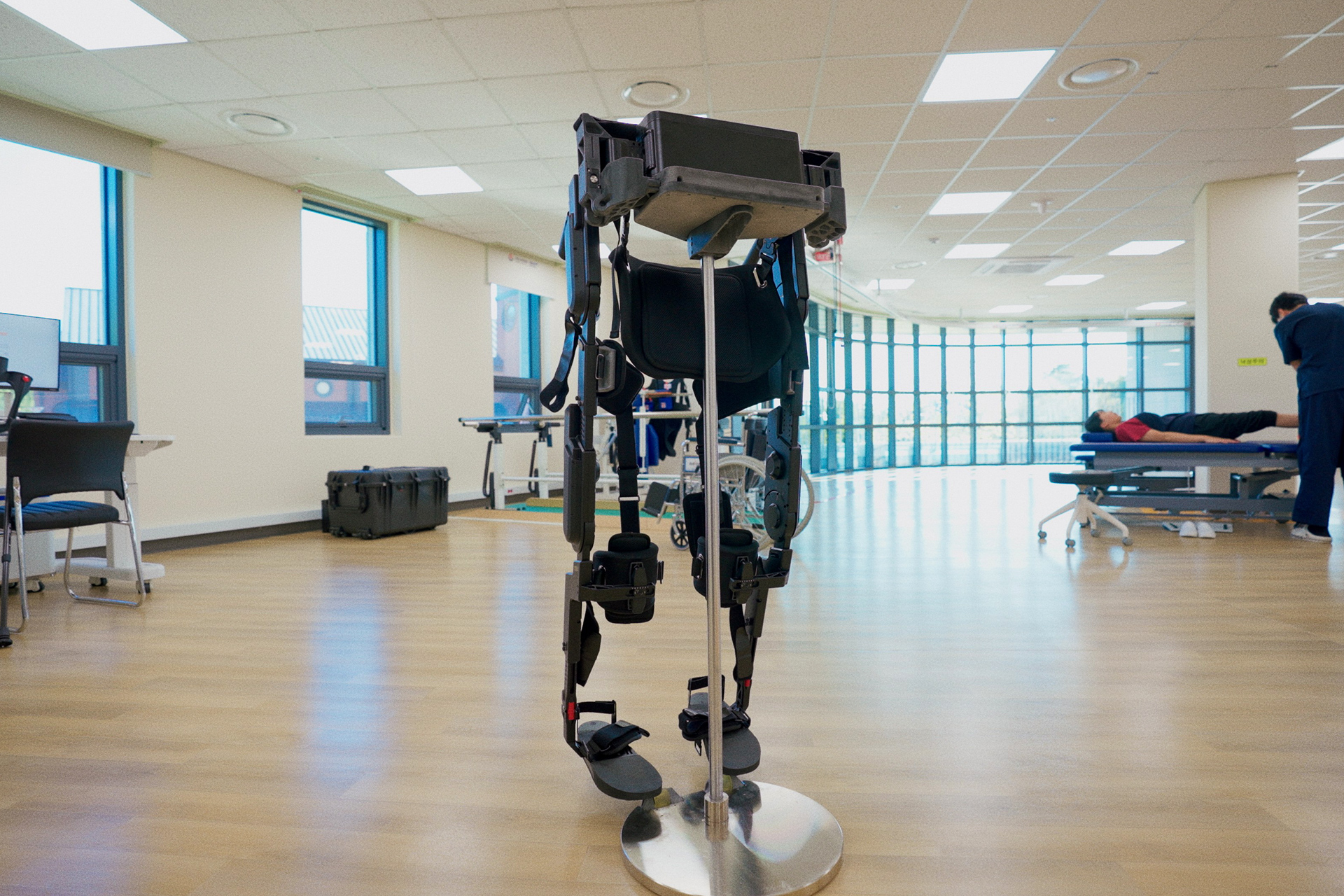
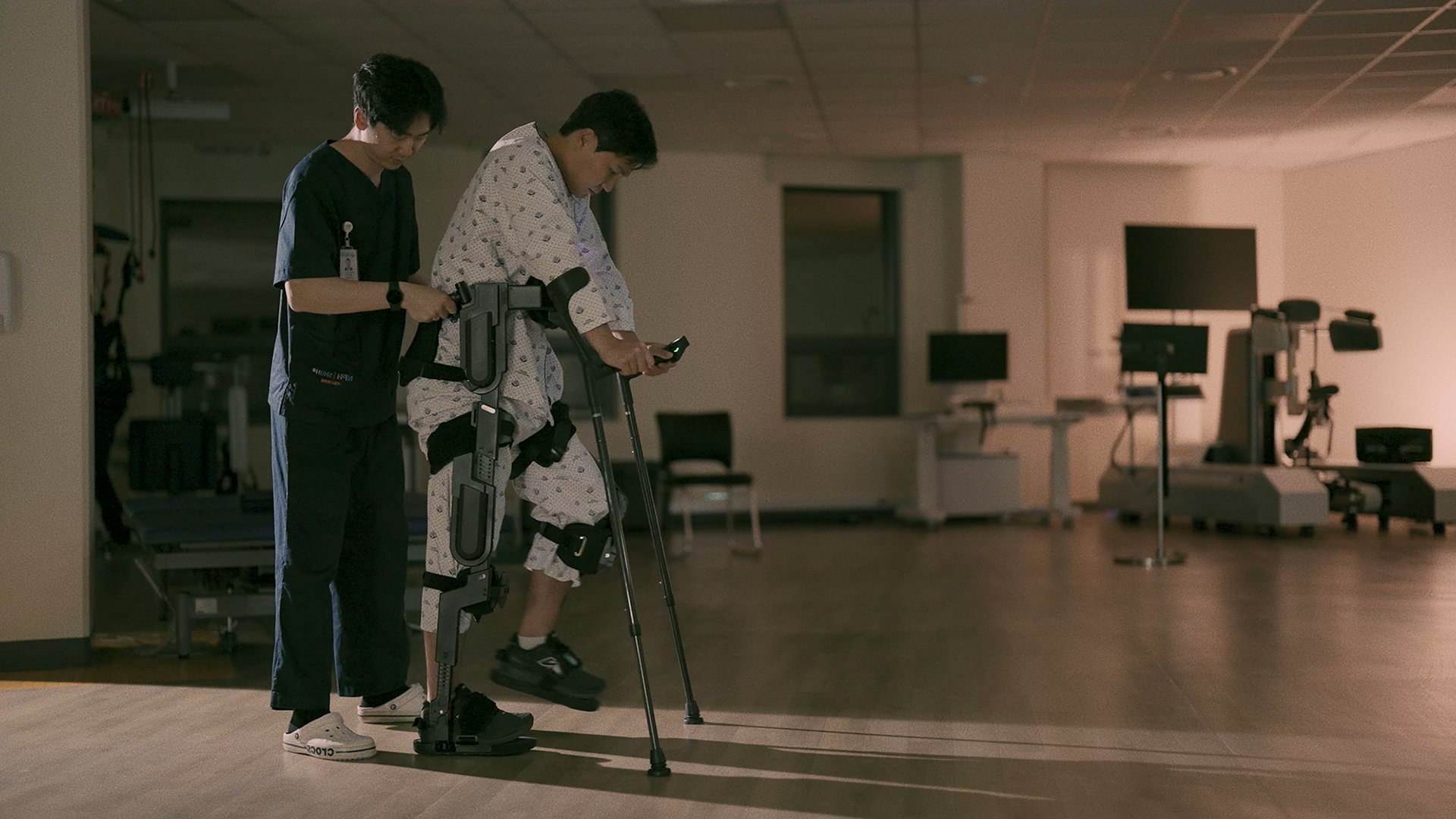
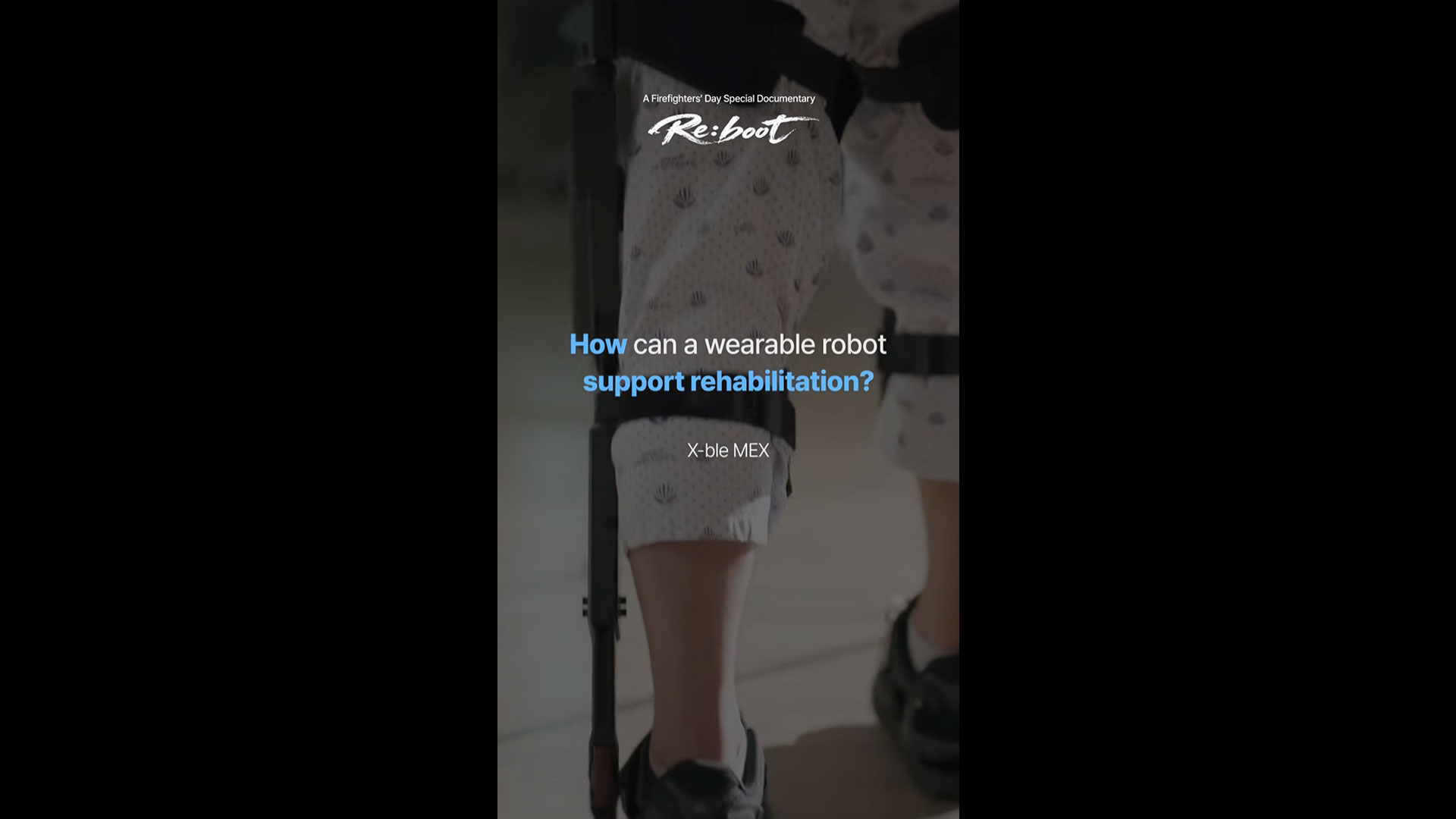
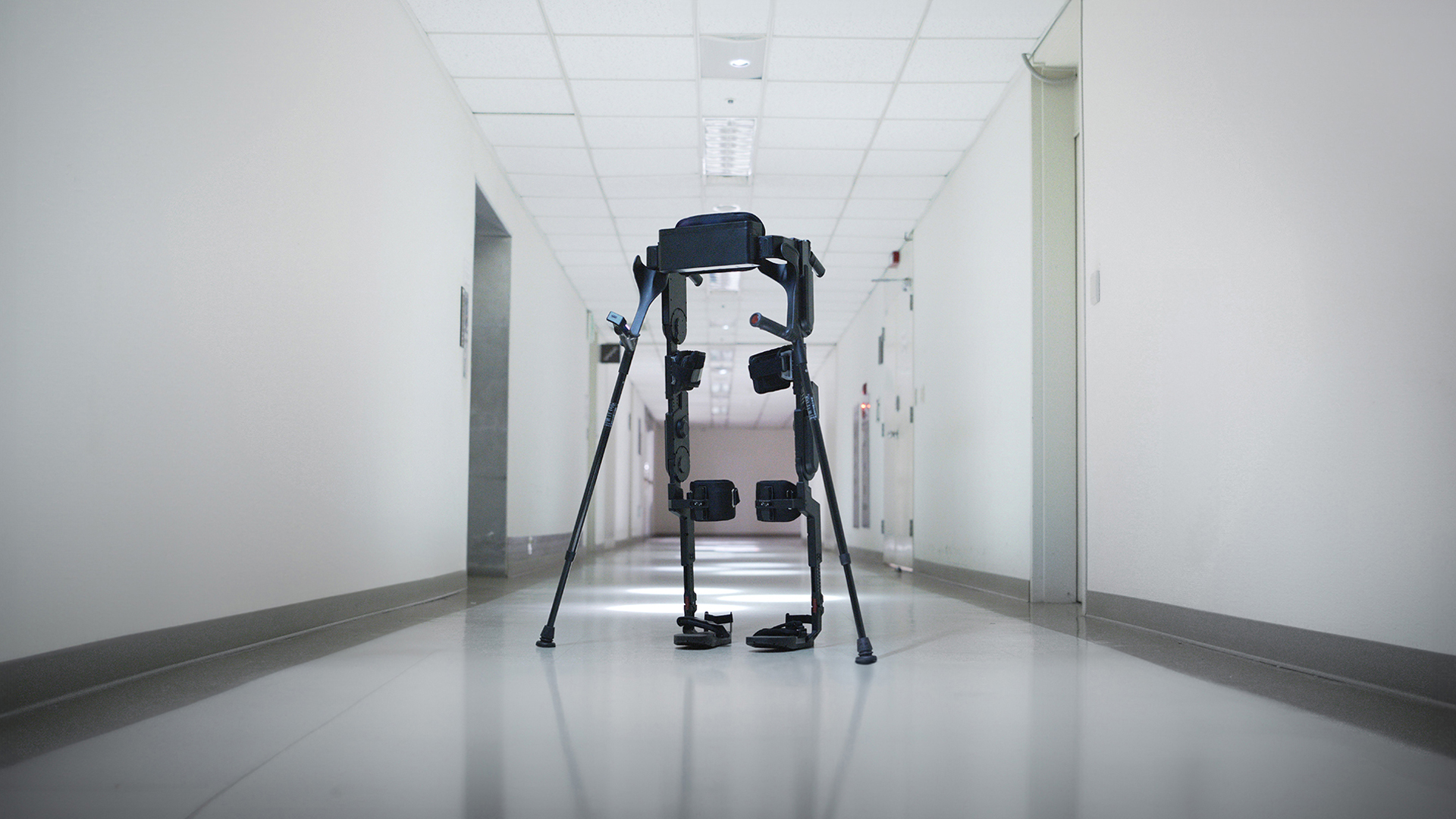
The X-ble MEX is a medical exoskeleton developed in-house by Hyundai Motor Group’s Robotics LAB. Designed to support muscle recovery and restore joint mobility in patients with lower-body impairments, it enables patients to walk independently by facilitating various movements required for daily life. To gain a deeper understanding of the technologies behind these products—which support the rehabilitation and mobility of injured firefighters—we sat down with the development team.
A Mobile Treatment Room Designed from the Perspective of Emergency Medical Technicians

Q. How does the ST1-based ambulance overcome the existing limitations of standard ambulances?
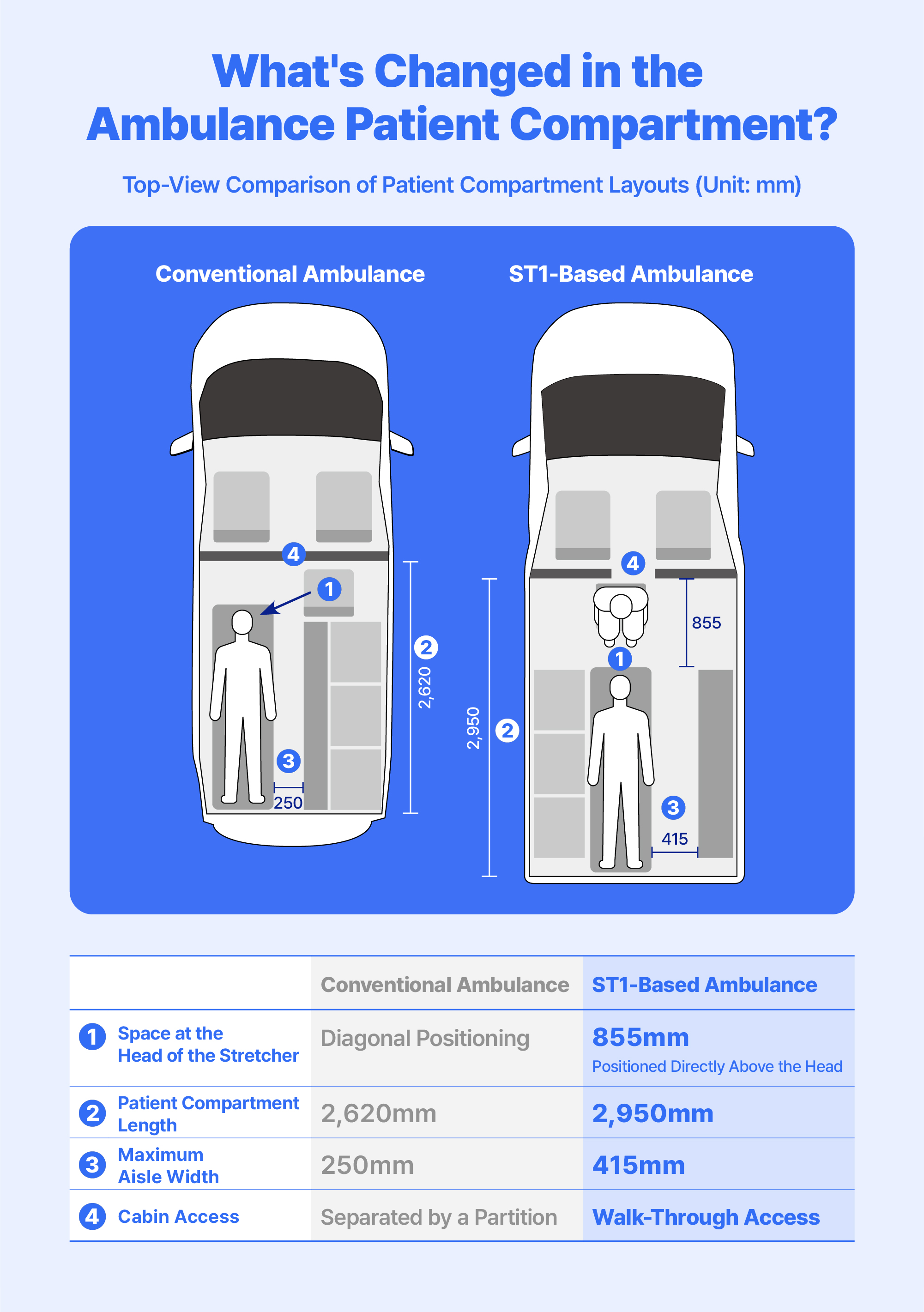
The most important consideration was the size of the patient compartment. There were concerns that standard ambulances lacked sufficient space around the patient’s head, forcing medical staff to perform airway management procedures diagonally from an unstable position. In contrast, the patient compartment of the ST1-based ambulance allows medical staff to administer emergency care directly above the patient’s head. This is made possible by installing a chair in the 855-mm-long emergency care space, which was created by extending the cargo area by 350 mm compared to the stock model. For reference, the interior length of the patient compartment is 2,950 mm. These specifications meet the revised ambulance standards, which require a minimum of 2,900 mm from the driver’s compartment partition to the inner surface of the rear door. The 855-mm space at the patient’s head also complies with the revised Emergency Medical Service Act, which mandates a minimum of 700 mm between the partition and the stretcher.
Q. What are the additional benefits of a spacious patient compartment?
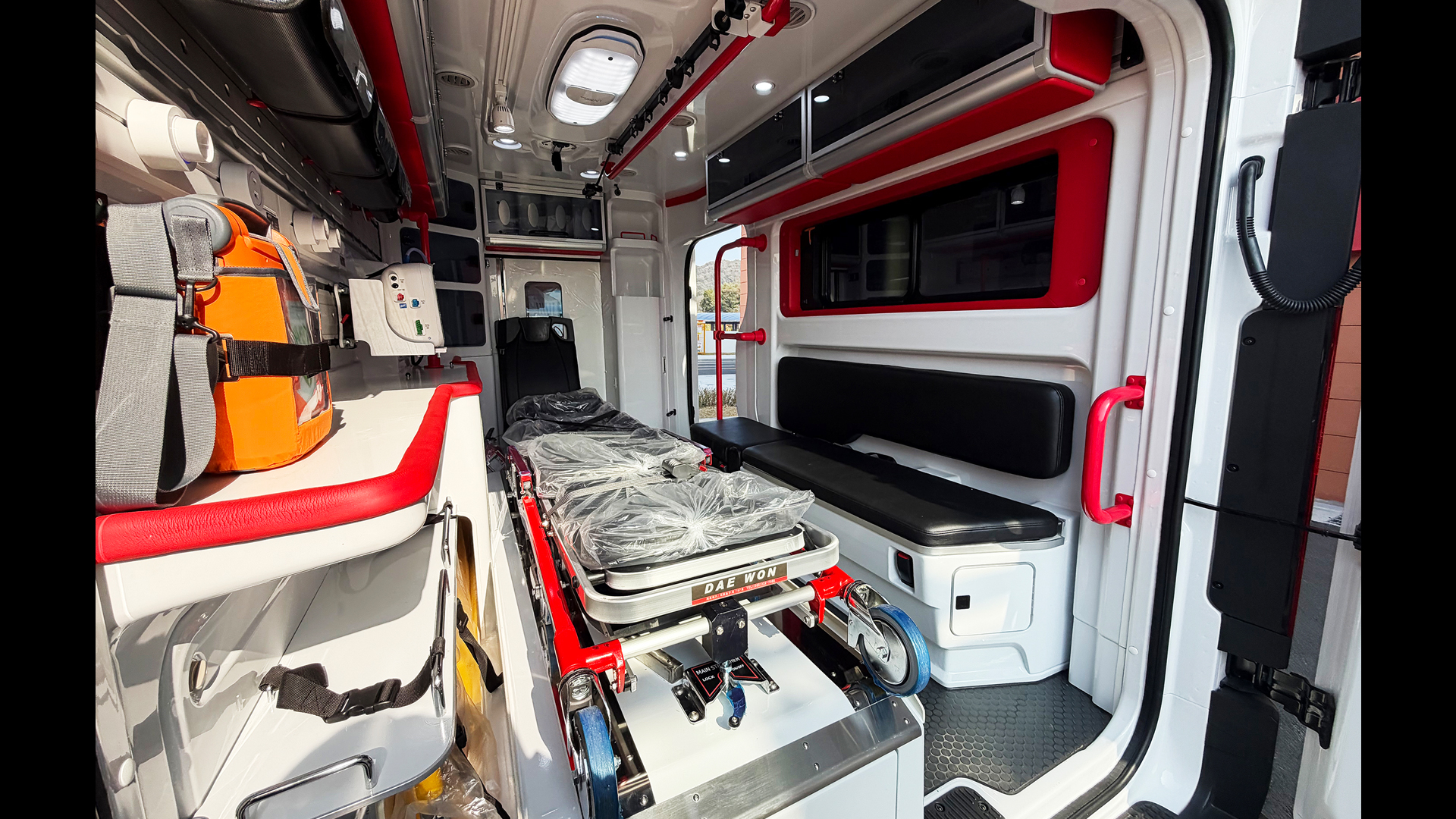
The wide interior aisle and high ceiling make it easier to move around and work inside the patient compartment. For example, while the aisle width in conventional ambulances was a maximum of 250 mm, the aisle in the ST1-based ambulance has been significantly expanded to a maximum of 415 mm. The interior height is up to 1,820 mm, allowing most adults to move around without having to bend over. Nevertheless, thanks to the low ground clearance, the vehicle’s overall height is limited to 2,380 mm, allowing it to easily enter and exit hospital parking facilities with a clearance of 2.4 meters or more.
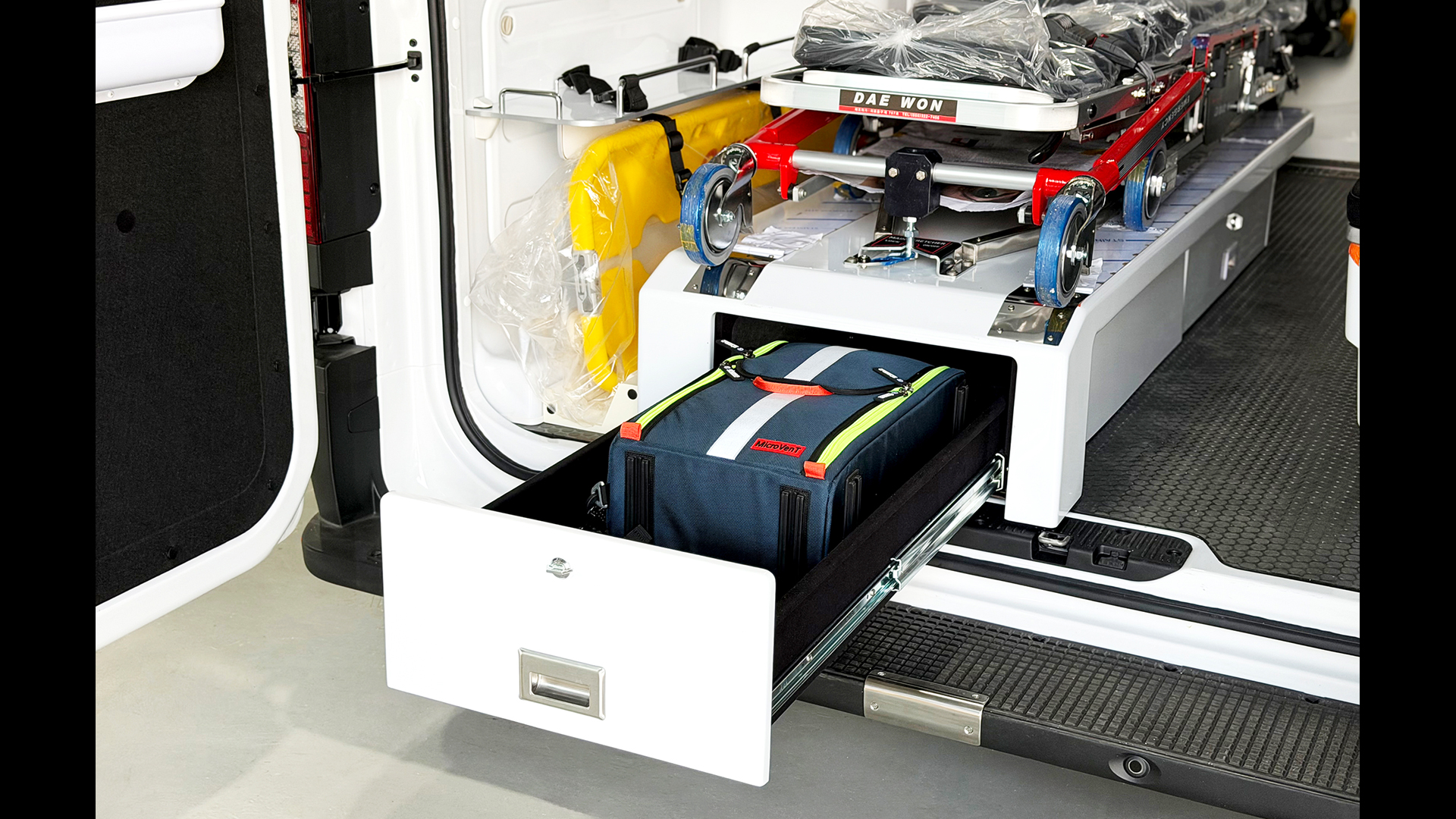
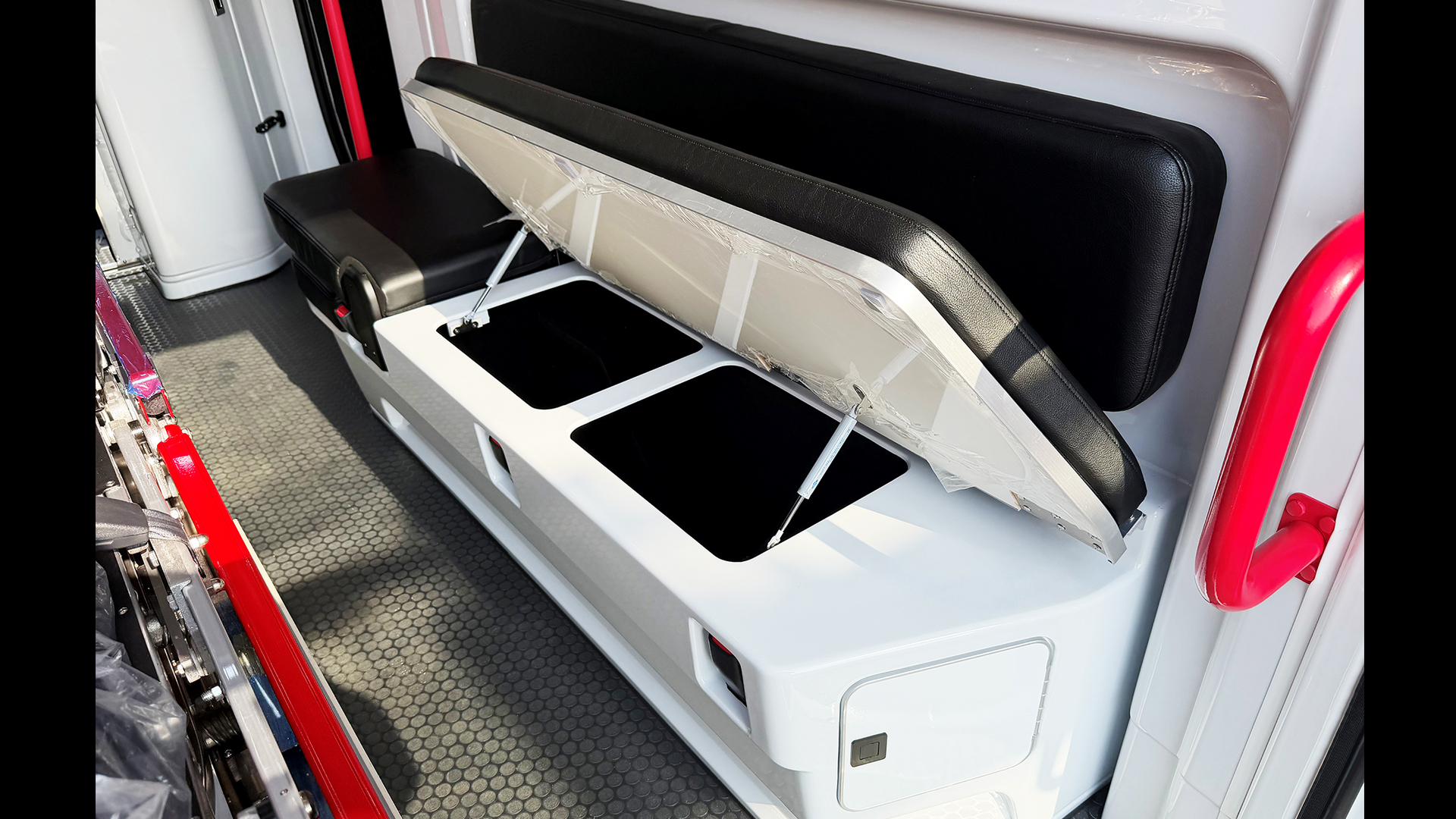
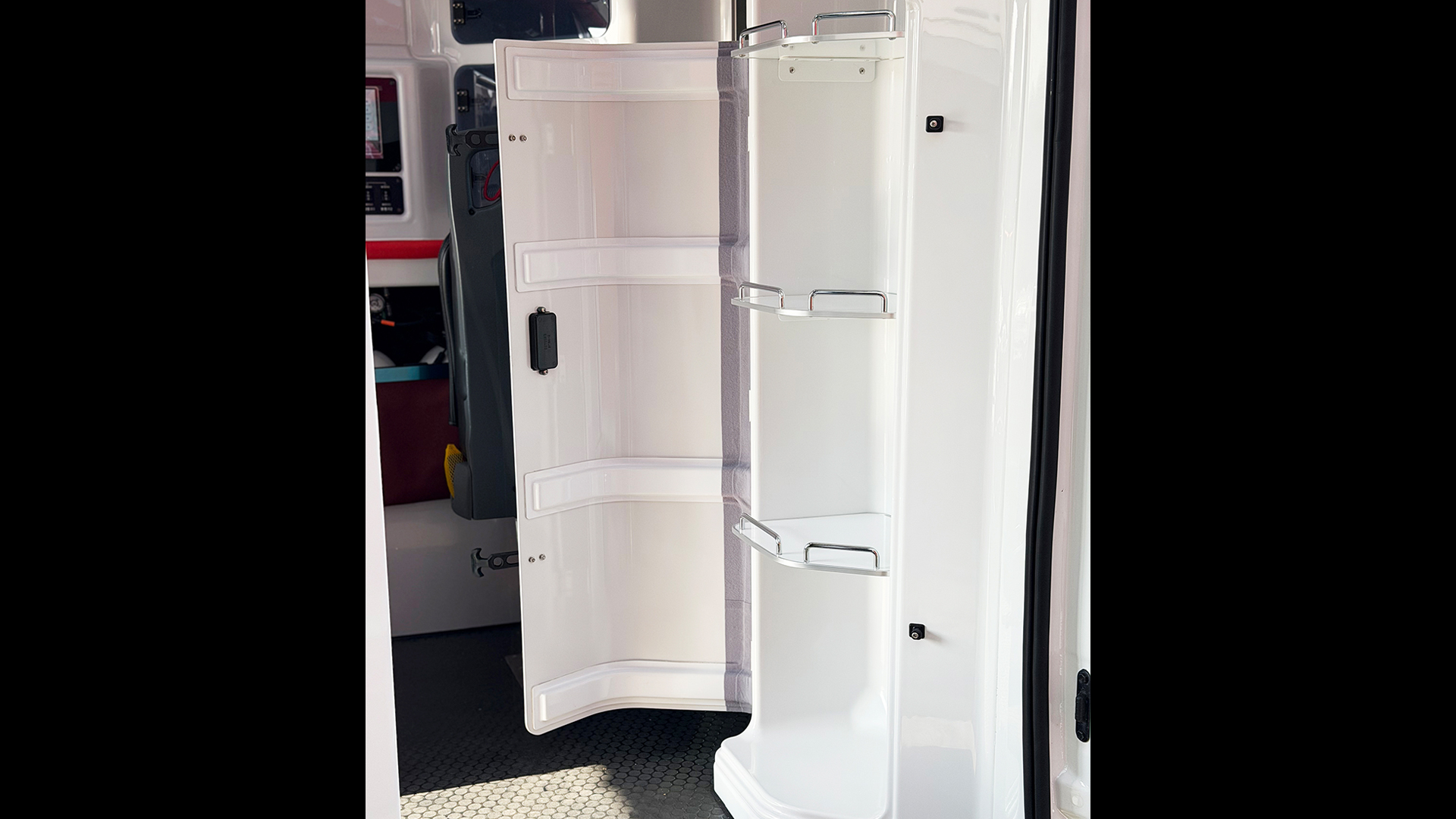
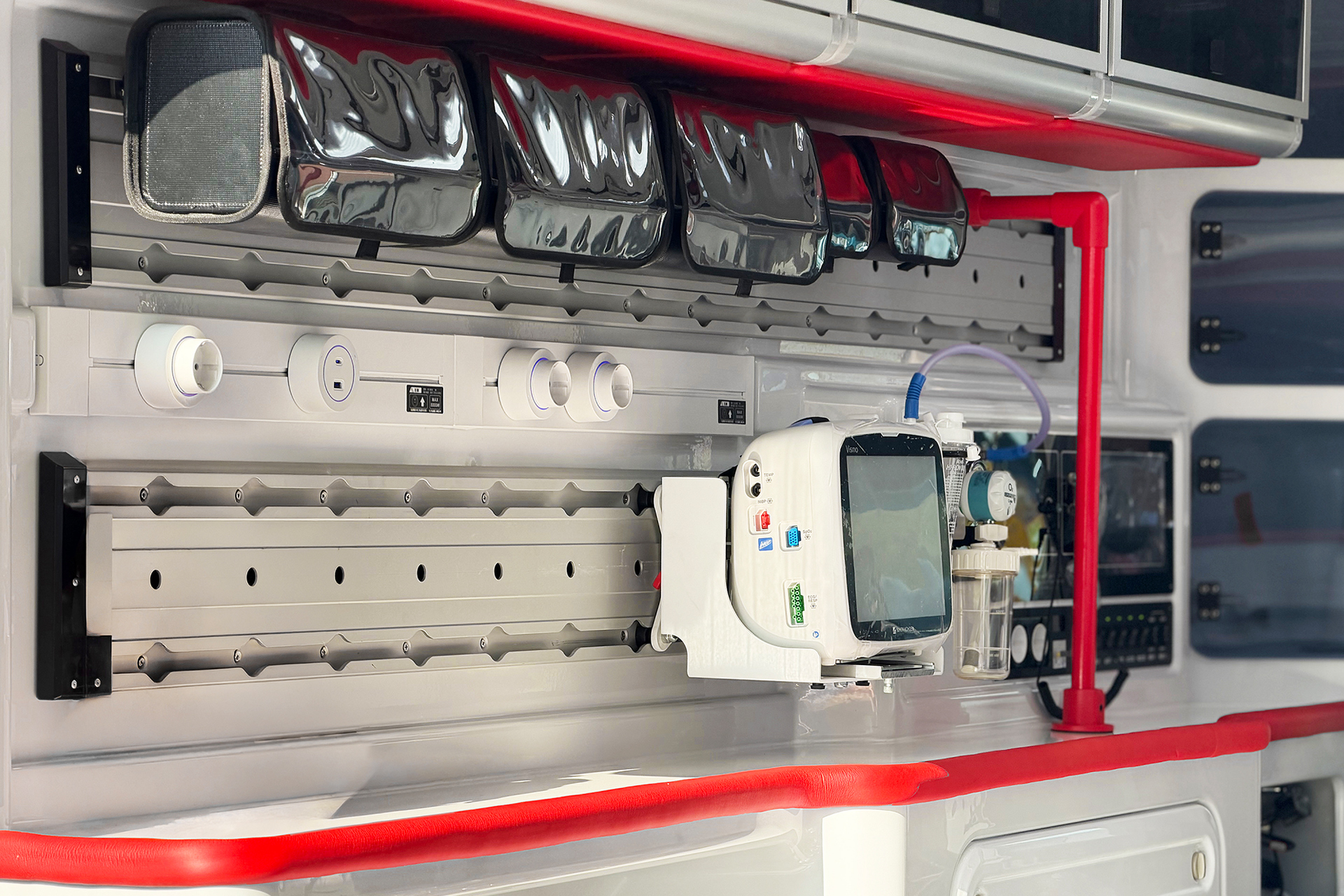
Storage space has also increased significantly. Removable mounting rails provide greater flexibility in arranging medical equipment, and the space beneath the seats and along the walls is packed with storage compartments. Rather than simply creating as much space as possible, the design focuses on allowing various pieces of equipment to be installed exactly where they’re needed. Unlike conventional ambulances, which become narrower toward the top, the angular, box-shaped storage compartment extending all the way to the ceiling makes work significantly easier. This design was developed entirely based on feedback from the medical staff at NFH.
Q. Were there any difficulties in supplying power to operate the medical equipment inside the ambulance?
If anything, this was an area where the advantages of electric vehicles really shone through. Ambulances powered by internal combustion engines require a separate auxiliary battery to power medical equipment. Consequently, fuel for travel and battery charging for medical equipment have to be managed separately. In contrast, the ST1-based ambulance uses a V2L system to supply power from its 76.1 kWh high-capacity battery to all medical equipment. Nevertheless, wiring and space have been set aside to allow for the installation of an auxiliary battery in case of emergencies.
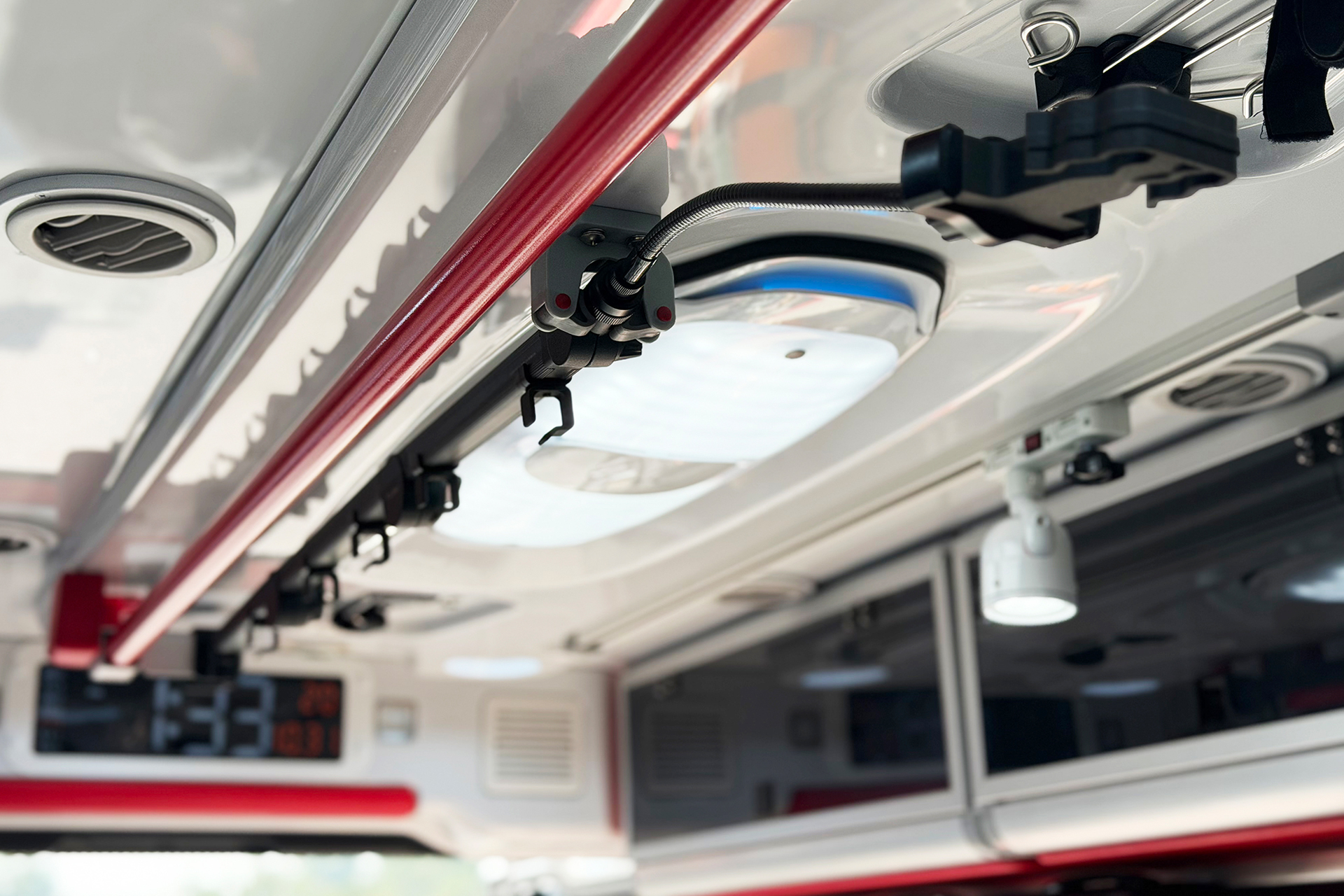
The interior of the patient compartment features details designed to enhance the convenience of power usage. Removable sliding power outlets have been mounted on the walls, allowing for easy repositioning. Additionally, multi-jointed circuit arms have been installed on the ceiling to secure medical equipment wiring and oxygen tubes. This helps prevent medical staff from tripping over dangling cables and tubes.
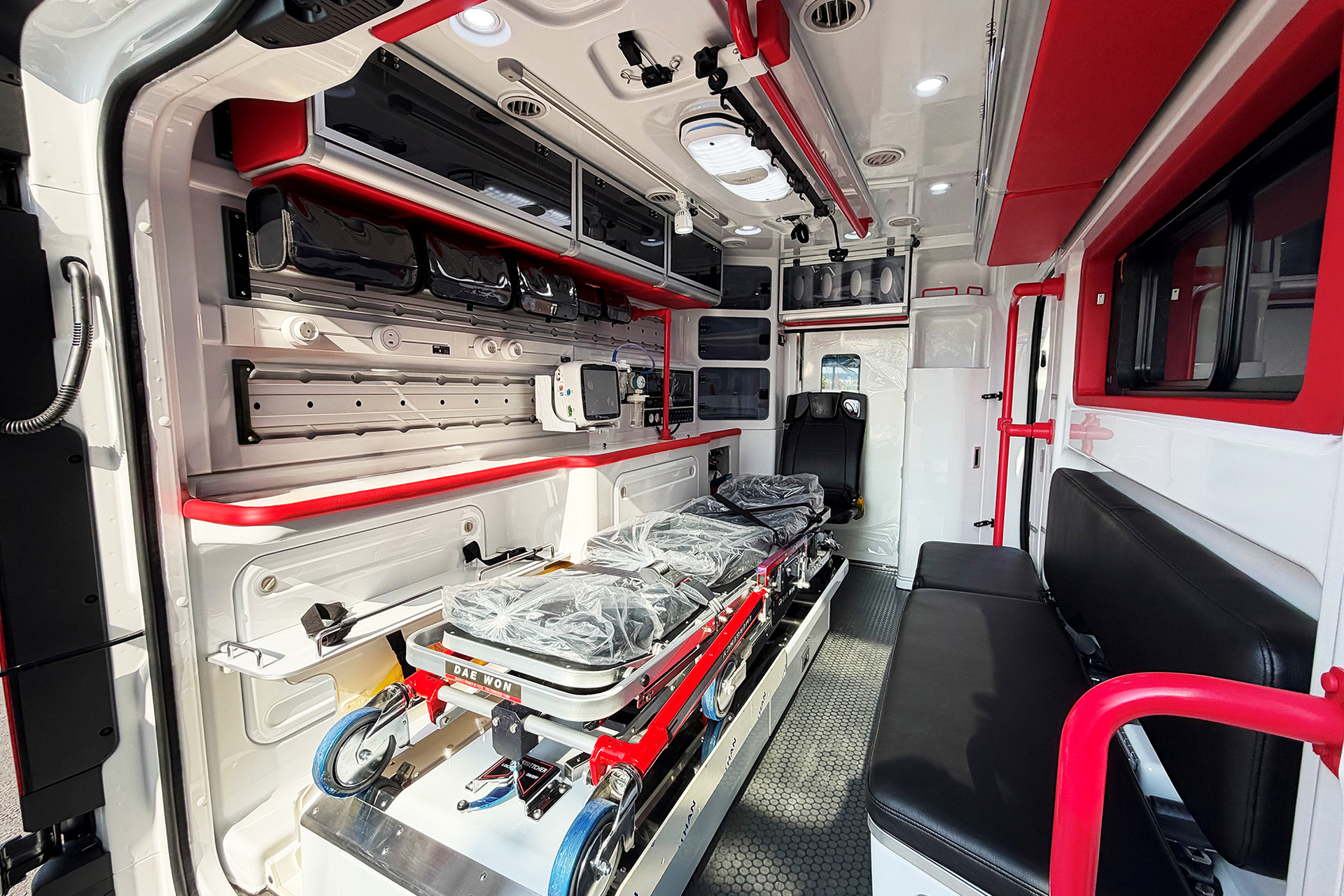
Q. The “walk-through” structure connecting the driver’s compartment and the patient compartment is also notable. Why were these two separate spaces connected?
Previous ambulances had a partition separating the driver’s compartment from the patient compartment, with only a window or intercom for basic communication. However, through repeated discussions with the National Fire Hospital, we realized that in emergency situations, medical staff in the front passenger seat sometimes need to quickly move into the patient compartment. The solution is the “walk-through.” The chair positioned in the center of the connecting passageway is foldable and swivels to free up space.
Q. I’m also curious about the changes made to improve ride comfort in the patient compartment.
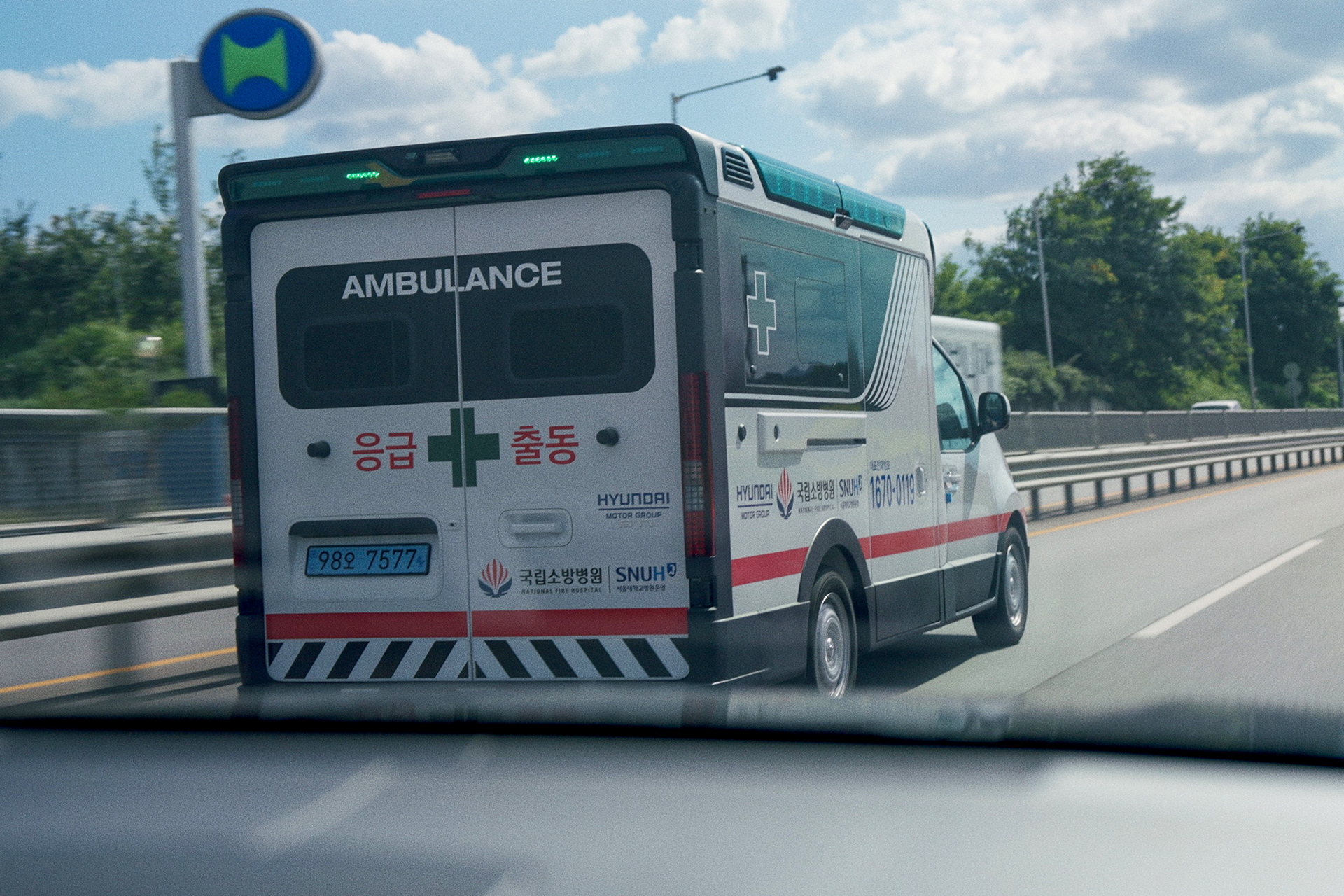
We fine-tuned the suspension settings based on actual driving evaluations. The key was to minimize the uncomfortable movements and vibrations experienced in the patient compartment. Our engineers and medical staff conducted multiple driving performance checks, and by implementing a multi-stage adjustable suspension—which reduces the jolt felt when crossing speed bumps—we’ve noticeably improved ride comfort. By adjusting the front spring rate to match the rear suspension tuning, we’ve also reduced overall body roll.
Q. What feedback have you received from medical staff who used the ambulance in real-world situations?
What stands out most in my memory is the positive feedback that “there’s no significant difference from the treatment environment in a hospital.” From our perspective, the fact that the experience in the vast space of a hospital is similar to that in the confined space of the vehicle is tremendous praise. It proved that the medical staff’s actual requests had been well incorporated.
X-ble MEX: Taking the First Steps Forward Together

Q. What inspired you to develop a medical exoskeleton robot to assist with lower-body rehabilitation?
Our starting point was the desire to “provide a new experience for people who have never walked before or who haven’t been able to walk for a long time.” With that in mind, we have been researching and developing robots since 2015 to assist with walking and rehabilitation for patients with lower-limb paralysis. Our long-term goal is not only to assist with walking but also to enhance mobility and improve the quality of life.
Q. I’m curious about the differences between each operation mode and the principles behind the technology that helps users maintain their balance.
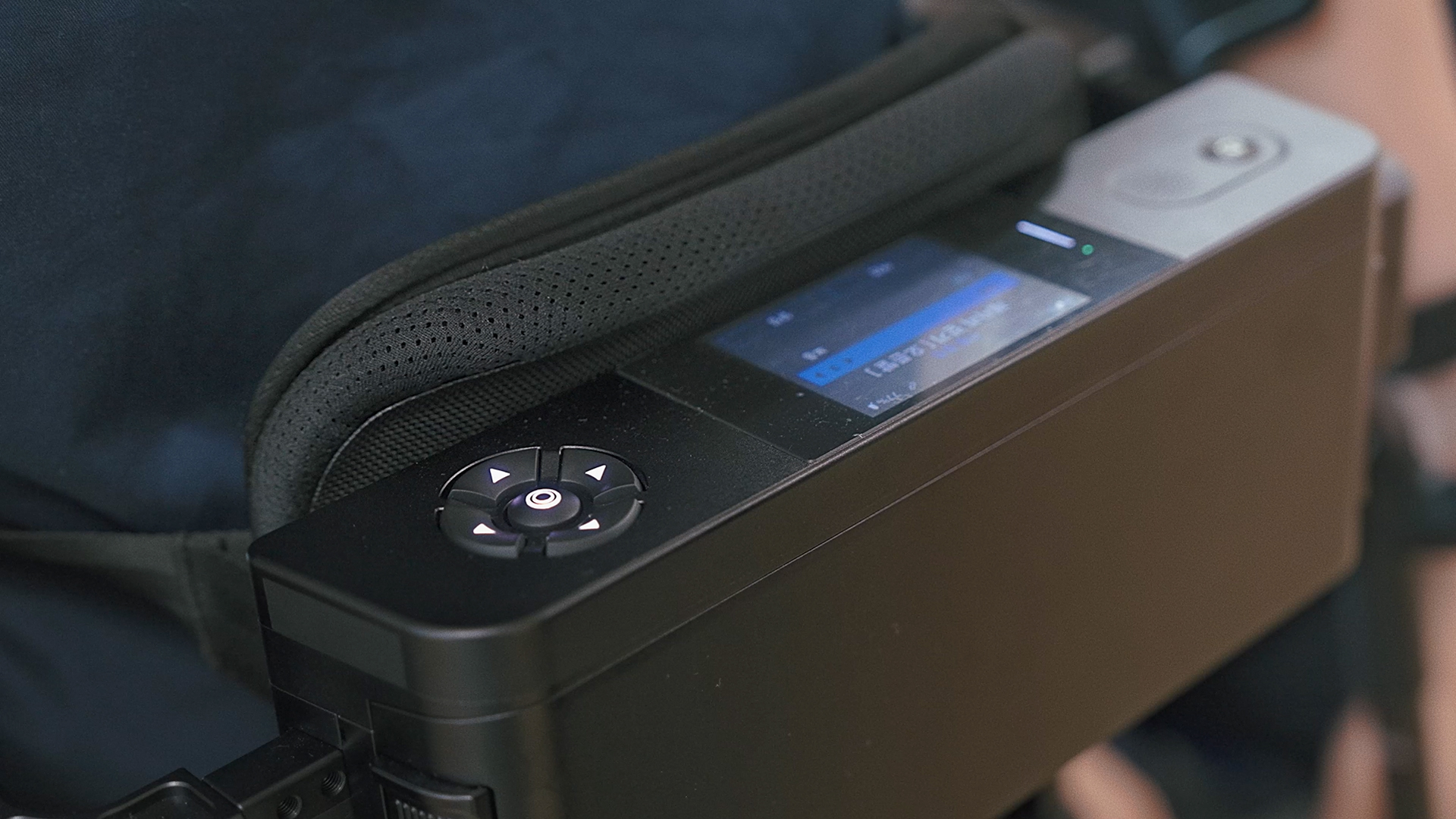
The X-ble MEX supports five operation modes: standing, sitting, walking, turning, and stair climbing. The operating mechanism for each mode is designed based on biomechanical data analysis, assisting the wearer’s movements in the manner best suited to each action.
The secret to maintaining balance during operation lies in the placement of the battery and control unit. These two components are relatively heavy. While other robots mount them on the back, the X-ble MEX’s battery and control unit are located at the front of the robot. This ensures that the center of gravity of the user remains stable, reducing the likelihood of falling backward while walking. Sensors that detect body tilt also contribute to stable operation.
Q. How did you reduce the weight and size while increasing stiffness?
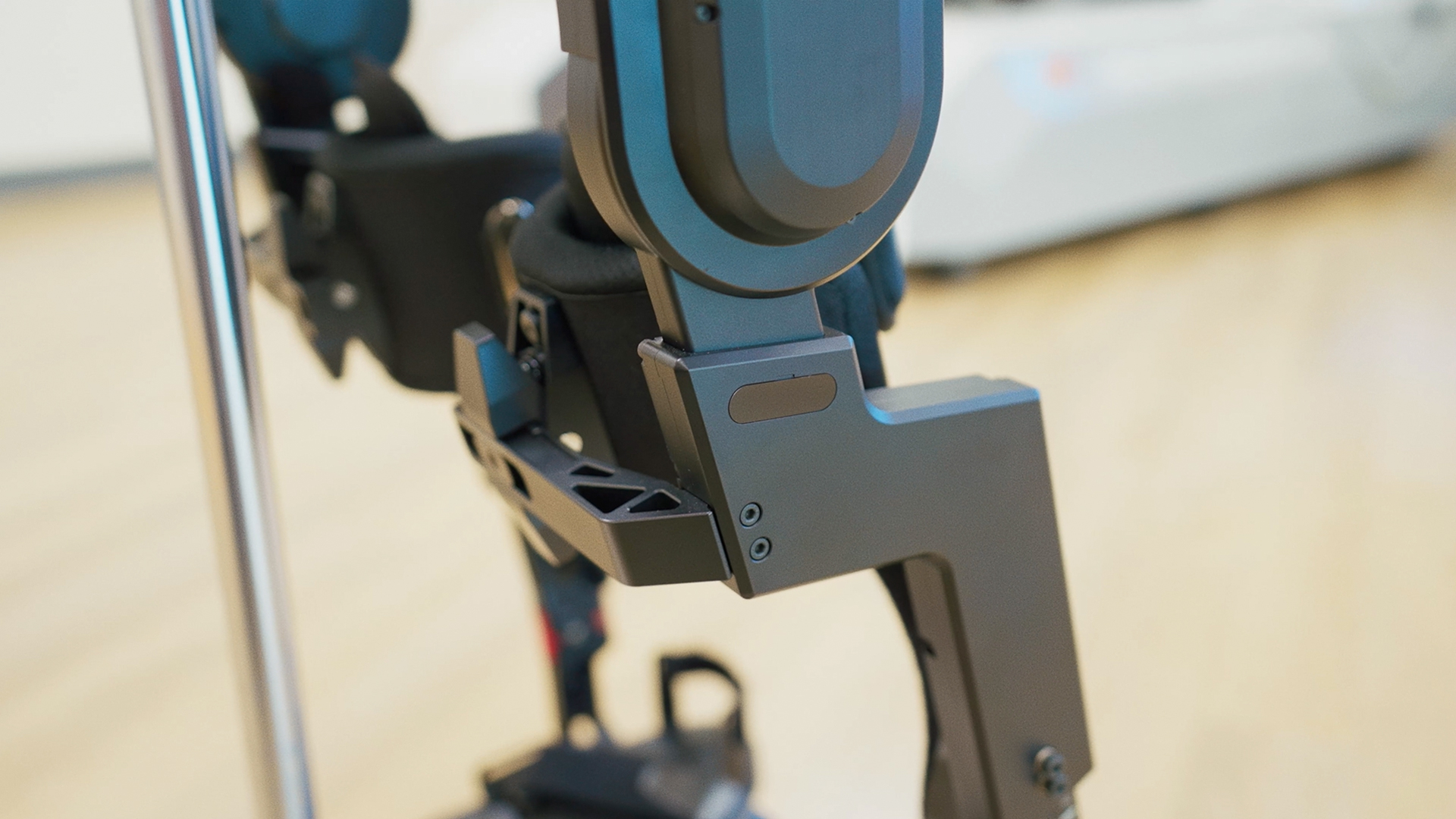
From the initial design stage, the X-ble MEX was developed with wheelchair access and navigation through narrow passages in mind. This was done to accommodate nearly all daily environments faced by patients with lower-limb paralysis. To achieve this, it had to be thinner and lighter than other wearable robots. To that end, we identified actuators capable of generating greater force for the same size and weight, along with the optimal gear combinations to work with them. We chose high-strength aluminum for the robot, as it is both lightweight and durable. Weighing just 18 kg, the X-ble MEX is lightweight yet designed to withstand a maximum load of approximately 100 kg.
Q. How do the design features accommodate differences in patients’ physical size and abilities?
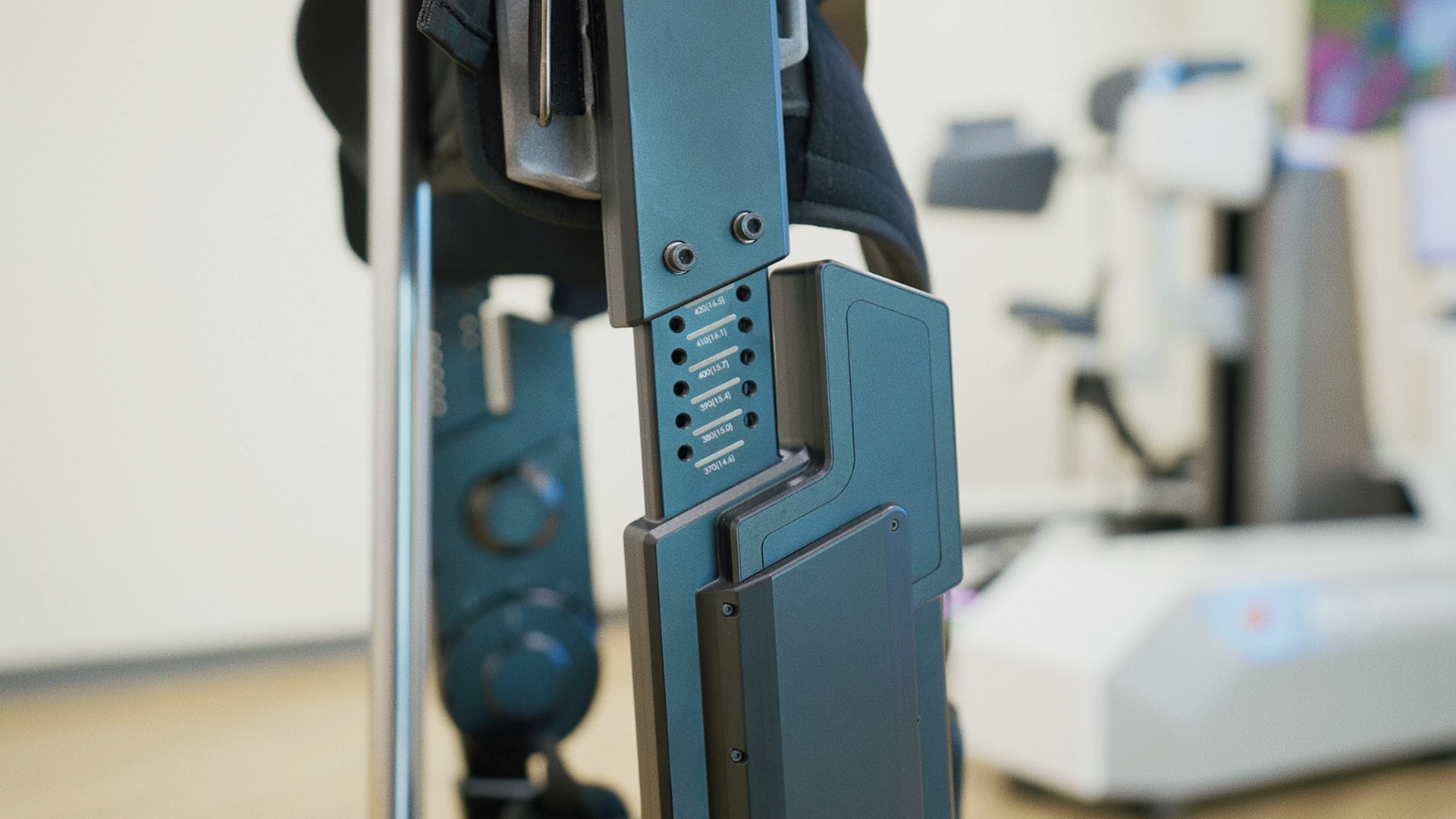
Regarding the leg length adjustment range, we based our decision on official anthropometric data to ensure as many people as possible could use it. We began by conducting a kinematic analysis of the gait patterns of both healthy individuals and patients to determine the joint range of motion settings. While there are significant structural differences between the X-ble MEX and human lower limb joints, we set the drive range based on the gait pattern analysis to enable a gait similar to that of a human.
Q. What feedback did you get from patients after use?
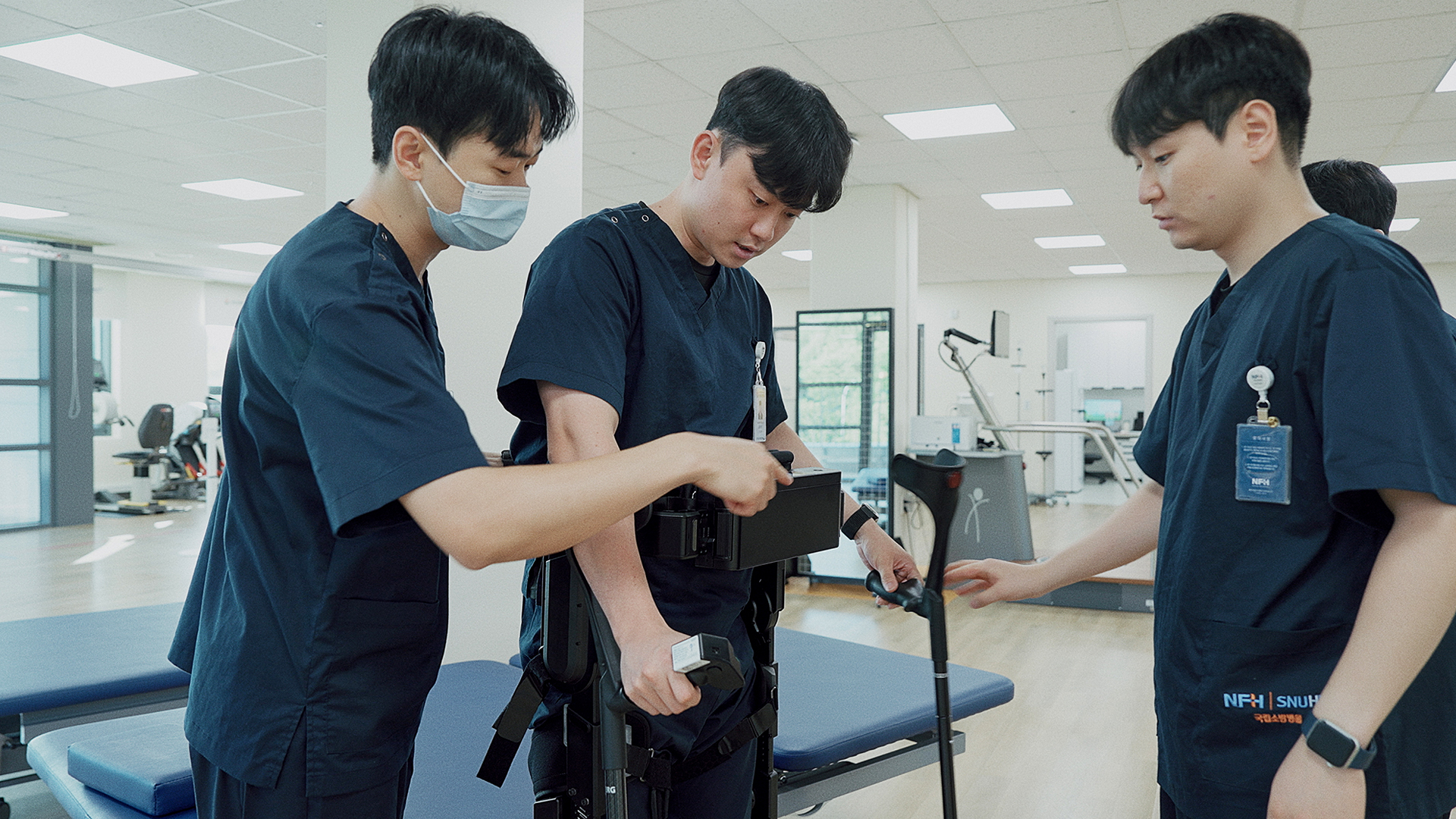
After delivering the X-ble MEX, we received reports that users achieved exercise benefits through training sessions. We also heard that users had gained confidence in their ability to move. Based on this feedback, we plan to continue making improvements so that more people can experience the X-ble MEX.
Q. What is Robotics LAB and Hyundai Motor Group’s vision for X-ble MEX?
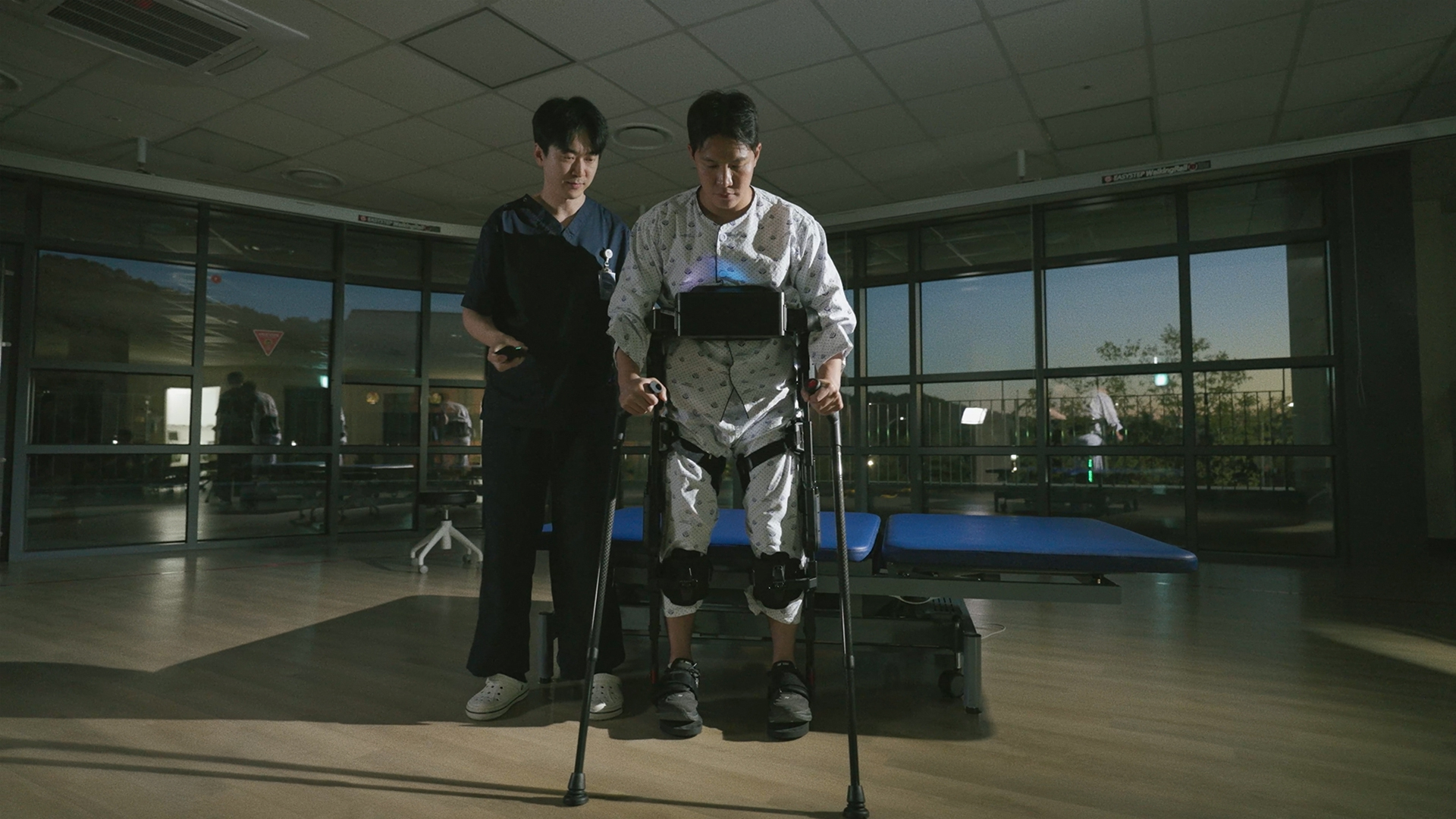
First and foremost, our goal is to make the X-ble MEX accessible to more patients. We are developing features that actively respond to various environments so that not only patients with lower-limb paralysis but also those with incomplete paralysis can engage in rehabilitation training using this wearable robot. Ultimately, we aim for it to become a robot used in everyday life—regardless of whether the user is a patient or a member of the general public—and to contribute to improving everyone’s quality of life.
I believe the X-ble MEX is a step toward “Progress for Humanity.” The research we’ve conducted over the past 11 years is ultimately about expanding human potential through technology.
Technology Tailored to Voices from the Field: A Force for Regaining Everyday Life
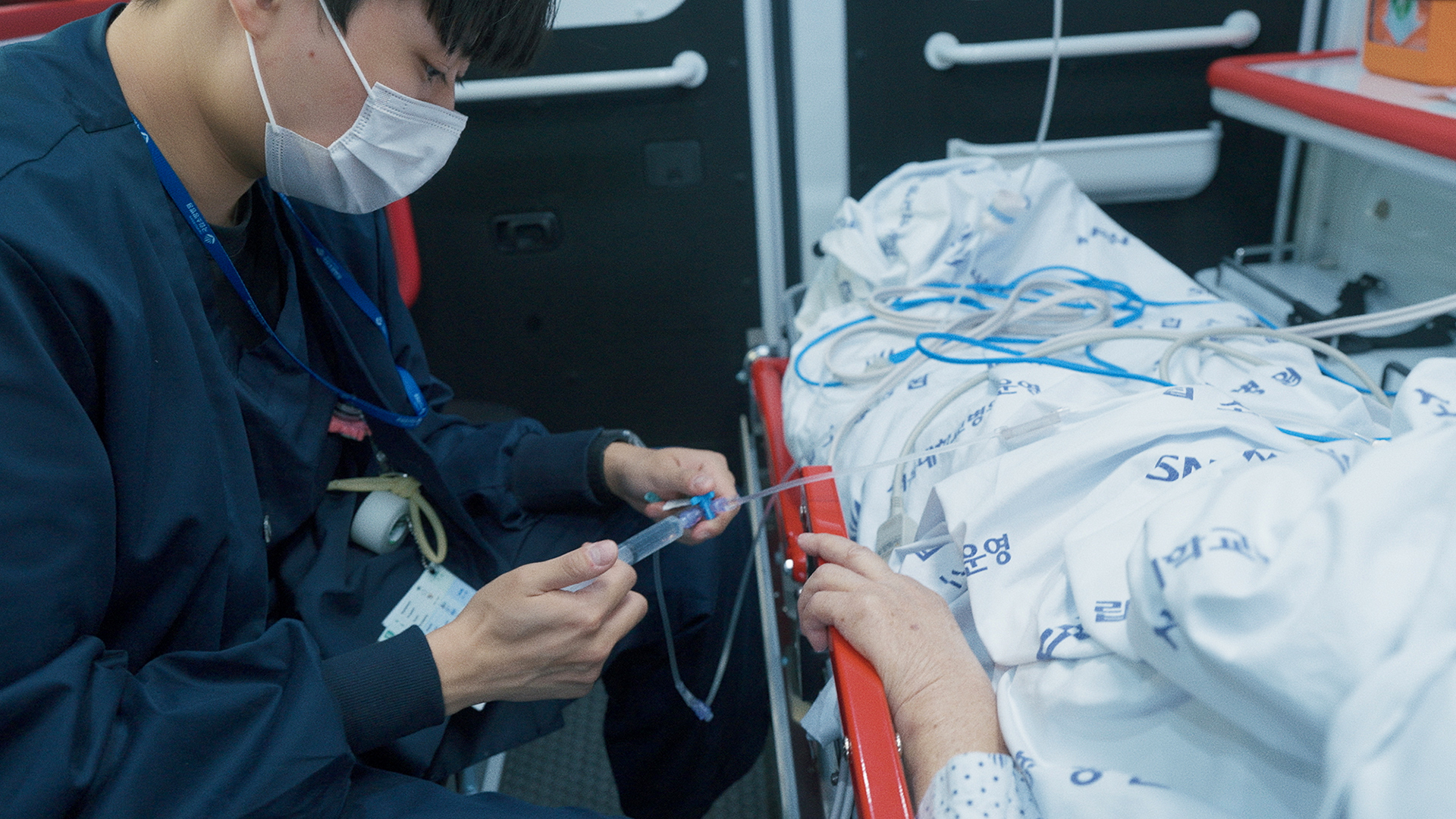
The X-ble MEX and ST1-based ambulances are gradually transforming the way dedicated firefighters recover and medical personnel work. The impact of these new ambulances is clearly evident in the documentary “Re:boot.” “It’s great that the spacious interior of the ambulance allows us to carry a lot of emergency medical equipment and perform procedures almost as if we were in the hospital itself.” The words of Gihwan Park, a nurse in the NFH Emergency Room, demonstrate how the structural features of the ambulance benefit not only patient care but also the working environment of medical staff. This is because the low ground clearance and spacious interior reduce the physical strain on those who transport patients on a daily basis.
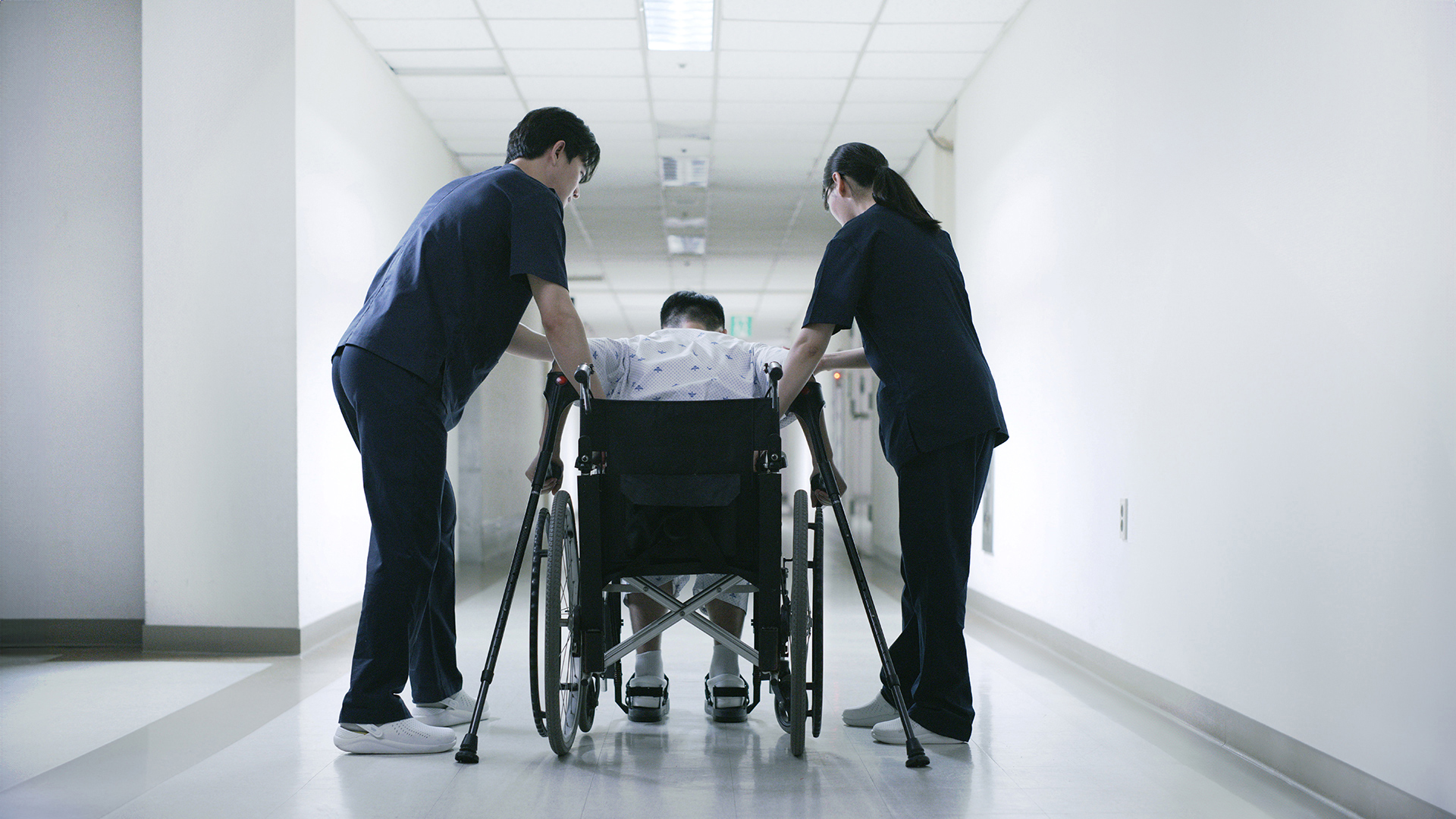
The X-ble MEX has played a key role in the rehabilitation of injured soldiers at the Armed Forces Capital Hospital and is now also in service as a rehabilitation device at NFH. From soldiers to firefighters, it safeguards the health of those dedicated to the nation and its people, spreading the positive impact of robotic technology. Its effectiveness and reliability are backed by the Class III medical device approval granted by the Ministry of Food and Drug Safety last year.
The direction indicated by Hyundai Motor Group’s technologies deployed at NFH is clear. It is to help firefighters—who didn’t hesitate to put themselves in danger when rushing into disaster zones—get back on their feet, and to enable the medical staff by their side to care for patients in a safer environment. The wearable robot, which has expanded the possibilities of gait rehabilitation, and the ambulance designed with the treatment environment in mind demonstrate the kind of transformation that technology can bring about when it is tailored to those who need it most.
The mobility and robotics technologies developed by Hyundai Motor Group provide solid support for the journey of those who have dedicated themselves selflessly to safely return to their ordinary yet precious daily lives.
Photo: Hyunjong Mo